

Hannibal at Cannae: A Victory Squandered?
Translated from Polish, summarized and contextualized by DistantNews.
At a glance
News
Sources not specified
Context piece
- The Battle of Cannae, fought on August 2, 216 BCE, was a major engagement of the Second Punic War between Carthage and Rome.
- Hannibal's Carthaginian forces achieved a decisive victory over a larger Roman army.
- The aftermath of the battle was horrific, with immense casualties on both sides, despite Hannibal's tactical triumph.
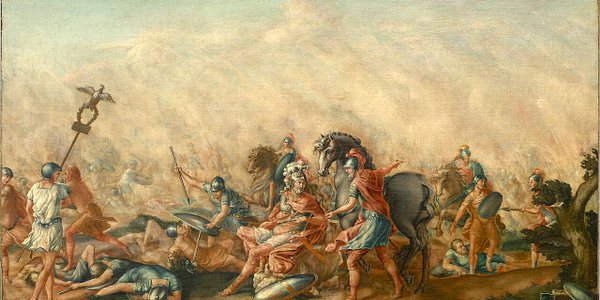
The Battle of Cannae, fought on August 2, 216 BCE, stands as a pivotal event in the Second Punic War (218–201 BCE) between Carthage and Rome. It was here that Hannibal's Carthaginian forces inflicted a devastating defeat upon a numerically superior Roman army, a victory that has been studied for centuries for its tactical brilliance.
The aftermath of the battle presented a grim scene. The morning after the engagement, the Apulian plain was a macabre spectacle of fallen and wounded soldiers. Even the victors were shocked by the grim task of looting the battlefield. Ancient battles involved close-quarters combat, with warriors engaging in hand-to-hand fighting using swords and spears. Wounds, even if not immediately fatal, often led to death due to the severity of the injuries sustained.
The morning after the battle of Cannae, the scenery of this Apulian plain presented itself as macabre. In the cool of the morning, steam rose from the still warm bodies of the fallen and the wounded. The grim task of combing the battlefield and collecting the spoils shocked even the victors.
While Hannibal secured a monumental victory at Cannae, its ultimate strategic value remains a subject of historical debate. The immense loss of life, estimated to be tens of thousands of Roman soldiers, significantly weakened the Roman Republic. However, Rome's resilience and determination ultimately allowed them to continue the war, leading to Carthage's eventual defeat. The battle's legacy lies not only in its tactical execution but also in the profound impact it had on the course of the war and Roman military thinking.
Ancient battles were fought in direct, close contact with the enemy; mounted and foot soldiers killed with sword and spear. Wounds, not always fatal, but incapacitating, most often ended in death.
DistantNews Editorial
Originally published by Rzeczpospolita in Polish. Translated, summarized, and contextualized by our editorial team with added local perspective. Read our editorial standards.
More Stories


From Our Blog

What Gets Lost (and Found) When News Is Translated

The Critical Role of Diaspora Media in Global News

What Travellers Should Know About Countries with Restricted Press

A Digital Nomad's Guide to Following Local News

How the Same Story Looks Different in Different Countries
