



Hanoi Swelters: Capital Becomes Epicenter of Vietnam's Intense Heatwave
Translated from Vietnamese and summarized by DistantNews. Read the original for the full story.
At a glance
News
Official statement
Context piece
- Hanoi is experiencing its hottest weather in years, with temperatures exceeding 41 degrees Celsius.
- This marks a shift, as the capital is now a heat epicenter, unlike previous heatwaves where other regions were hotter.
- Factors contributing to Hanoi's extreme heat include urban heat island effects and high concrete density.
Hanoi is currently grappling with an intense heatwave, recording temperatures soaring above 41 degrees Celsius, making it one of the hottest locations in Vietnam. This sustained period of extreme heat has placed the capital at the epicenter of the nation's sweltering conditions, a notable shift from previous heatwaves where regions like Nghe An, Ha Tinh, or the Northwest were typically the hottest.
For four consecutive days, Hanoi has ranked among the hottest areas nationwide. This persistent heat is particularly significant as it deviates from historical patterns. While the national meteorological center reported temperatures of 41.1 degrees Celsius on May 26, this figure is close to record highs for the city. For instance, the Ha Dong station recorded 41.3 degrees Celsius in May 2019, and the absolute highest temperature in Hanoi reached 42.5 degrees Celsius on June 4, 2017.
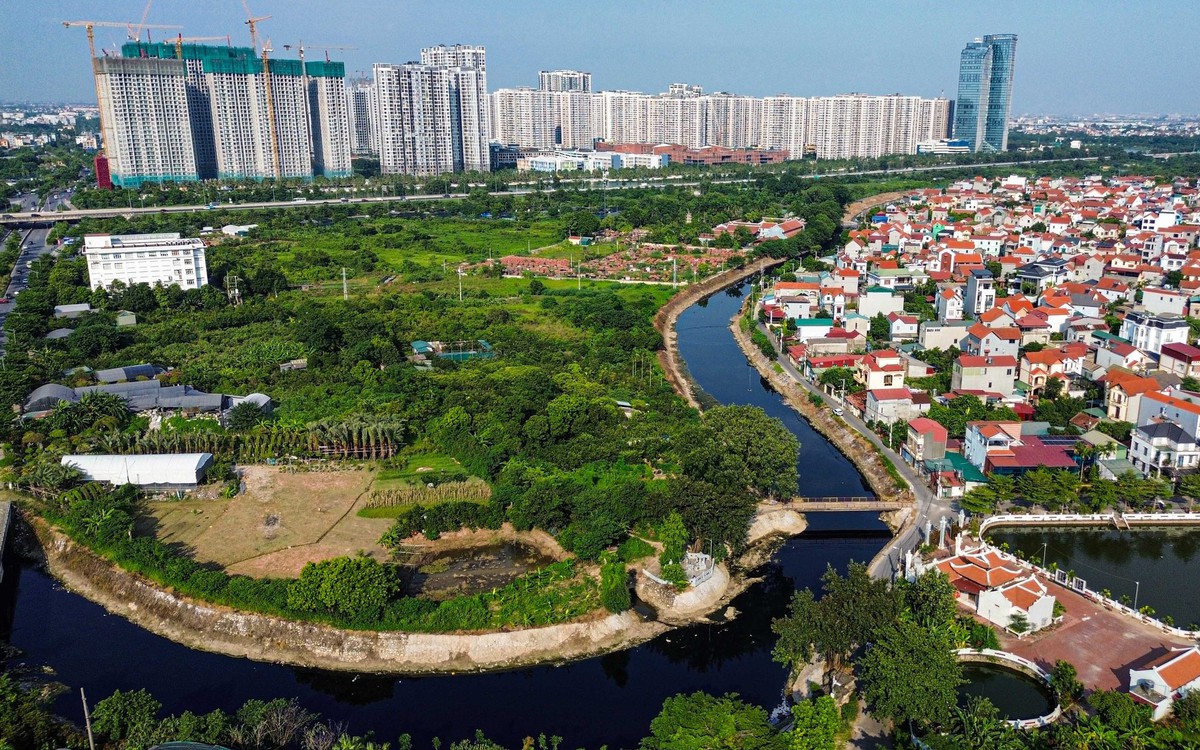
The cause of Hanoi being one of the epicenters of the heatwave is due to the western low-pressure system, Foehn wind, and Hanoi also being affected by the urban heat island effect. With a high density of concrete, the observed temperature in Hanoi is often 1-2 degrees Celsius higher than in surrounding areas.
Experts attribute Hanoi's extreme heat to a combination of factors. Beyond the influence of the western low-pressure system and the Foehn wind, the city's high density of concrete, asphalt, tall buildings, traffic, and air conditioning units contribute significantly to the urban heat island effect. This phenomenon causes temperatures within the city to be consistently 1-2 degrees Celsius higher than in surrounding, less urbanized areas. Despite the oppressive heat, meteorological forecasts indicate a gradual decrease in temperatures across northern Vietnam starting May 28.
In the same weather pattern, temperatures in Hanoi, especially in heavily urbanized areas, are often higher than in suburban areas or places with less concrete.
About this summary
Originally published by Tuổi Trẻ in Vietnamese. Translated, summarized, and contextualized automatically by DistantNews, with a note on how the source frames the story. Not individually reviewed before publishing. How this works.
More Stories


From Our Blog

News in Translation: What Gets Lost, and How We Keep the Framing

Diaspora Media: How Communities Abroad Follow Home

Traveling Where the Press Is Not Free: How to Read the News There

The Digital Nomad's Guide to Local News

The Same Story, Different Countries: How Coverage Changes at the Border
