


Nepal says it will not seek climate compensation from China or individual countries
Translated from Vietnamese and summarized by DistantNews. Read the original for the full story.
At a glance
News
Named sources
Ongoing story
- Nepal will not seek climate compensation separately from China or any other individual country, Foreign Minister Shisir Khanal said.
- Nepal plans to pursue compensation through the U.N. Framework Convention on Climate Change and the Paris Agreement, citing its vulnerability despite contributing little to global emissions.
- The government is also urging tourists to continue visiting after floods threatened the tourism season, which supports about 6.1% of GDP and 1.2 million jobs directly or indirectly.
Nepal is clarifying that its campaign for climate compensation is aimed at the international community, not at China or any other country individually. Foreign Minister Shisir Khanal made the point during a meeting with Chinese Ambassador Zhang Maoming on Sept. 3.
Nepal plans to seek compensation within the framework of the U.N. Framework Convention on Climate Change and the Paris Agreement. Khanal said the country was shifting its diplomatic approach from asking for aid to demanding fairness and appropriate compensation.
Nepal contributes almost nothing to global greenhouse-gas emissions, Khanal said, yet it bears the consequences of climate change. He described the issue as one of legal and moral responsibility rather than charity. The Kathmandu Post reported that he had identified China, the United States and India as major industrial emitters with historical responsibility toward vulnerable countries such as Nepal.
Nepal's Finance Ministry has sent letters seeking compensation for climate-related losses to international partners, and Khanal said the country would continue raising the issue at international forums. During his meeting with the Chinese ambassador, he also thanked China for providing timely assistance after disasters.
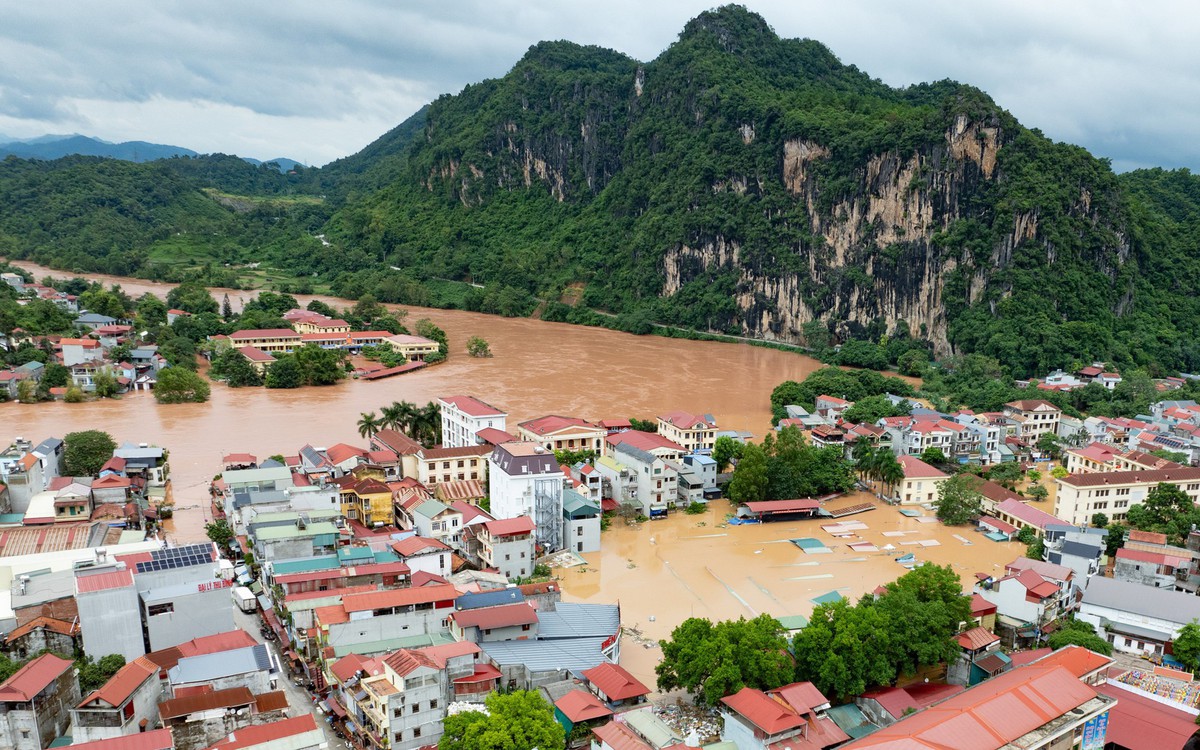
The government is also trying to limit damage to tourism after severe flooding struck weeks before the peak season from September to November. That period brings nearly 40% of annual visitors. Tourism contributed about 6.1% of GDP in 2023 and supported roughly 1.2 million jobs directly or indirectly. Tourism Minister Khadak Raj Paudel urged visitors not to cancel planned trips, saying trekking and mountaineering routes remained open. Tourism authorities said destinations including Everest, Annapurna and Manaslu were outside the affected areas.
This is a matter of legal and moral responsibility, not charity.
About this summary
Originally published by Tuổi Trẻ in Vietnamese. Translated, summarized, and contextualized automatically by DistantNews, with a note on how the source frames the story. Not individually reviewed before publishing. How this works.
More Stories

From Our Blog

News in Translation: What Gets Lost, and How We Keep the Framing

Diaspora Media: How Communities Abroad Follow Home

Traveling Where the Press Is Not Free: How to Read the News There

The Digital Nomad's Guide to Local News

The Same Story, Different Countries: How Coverage Changes at the Border
