

Hanoi Tests Autonomous Transport Systems, Including Buses and Delivery Robots
Translated from Vietnamese and summarized by DistantNews. Read the original for the full story.
At a glance
News
Sources not specified
Ongoing story
- Hanoi will pilot intelligent autonomous transport systems for 24 months, featuring self-driving buses, robotaxis, cleaning robots, and delivery robots.
- The controlled testing will occur in the Hoa Lac High-Tech Park and Vietnam National University's Hoa Lac campus, utilizing advanced AI and sensor technology.
- The project aims to verify the safety and reliability of autonomous vehicles in real-world conditions, develop public transport models, and establish technical standards for autonomous vehicles in Vietnam.
Hanoi is embarking on a significant technological experiment, launching a 24-month trial of advanced autonomous transport systems designed to reshape urban mobility.
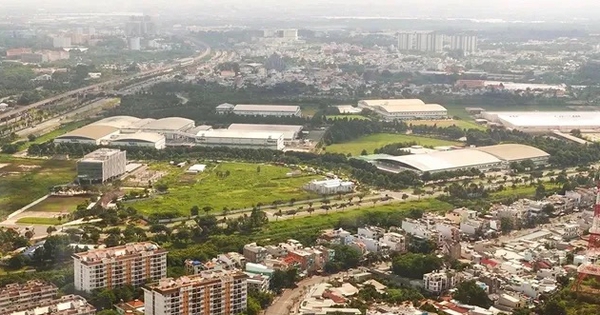
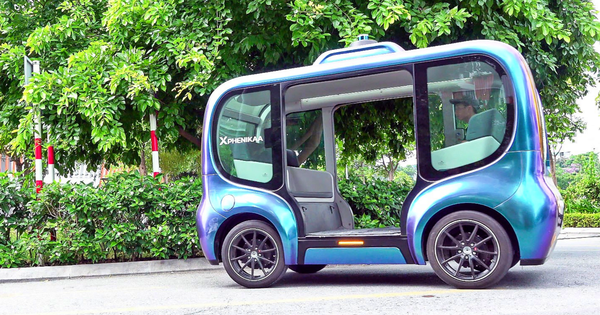
The pilot program, officially approved by the Vice Chairman of the Hanoi People's Committee, Truong Viet Dung, will involve a suite of self-driving technologies. These include autonomous mini-buses, robotaxis (self-driving taxis), automated cleaning robots, and autonomous delivery robots. The controlled testing will take place within the Hoa Lac High-Tech Park and the adjacent campus of Vietnam National University, areas chosen for their controlled environments and infrastructure.
This ambitious project aims to rigorously test the safety, reliability, and readiness of these autonomous vehicles under actual traffic conditions. Researchers will evaluate the effectiveness of autonomous public transport models, gather user feedback, and assess how these new systems can integrate with existing infrastructure. A key objective is to build a robust dataset and generate scientific reports that will inform the development of future technical standards and regulations for autonomous vehicles in Vietnam.
The initiative also seeks to foster domestic technological innovation, attract investment, and expand international cooperation in the field of autonomous driving. By developing technology primarily controlled by Vietnamese enterprises, the project intends to establish technical standards and operational protocols tailored to Hanoi's urban traffic environment.
During the public testing phase over 12 months, the autonomous buses are projected to serve approximately 40,000 to 50,000 passengers, while robotaxis are expected to handle 20,000 to 35,000 trips. Strict operational parameters are in place, with maximum speeds capped at 40 km/h and operations limited to hours between 9:00 AM and 4:30 PM. Buses will carry up to eight passengers, and robotaxis up to four, excluding safety supervisors.
About this summary
Originally published by Thanh Niên in Vietnamese. Translated, summarized, and contextualized automatically by DistantNews, with a note on how the source frames the story. Not individually reviewed before publishing. How this works.
More Stories


From Our Blog

What Gets Lost (and Found) When News Is Translated

The Critical Role of Diaspora Media in Global News

What Travellers Should Know About Countries with Restricted Press

A Digital Nomad's Guide to Following Local News

How the Same Story Looks Different in Different Countries
