


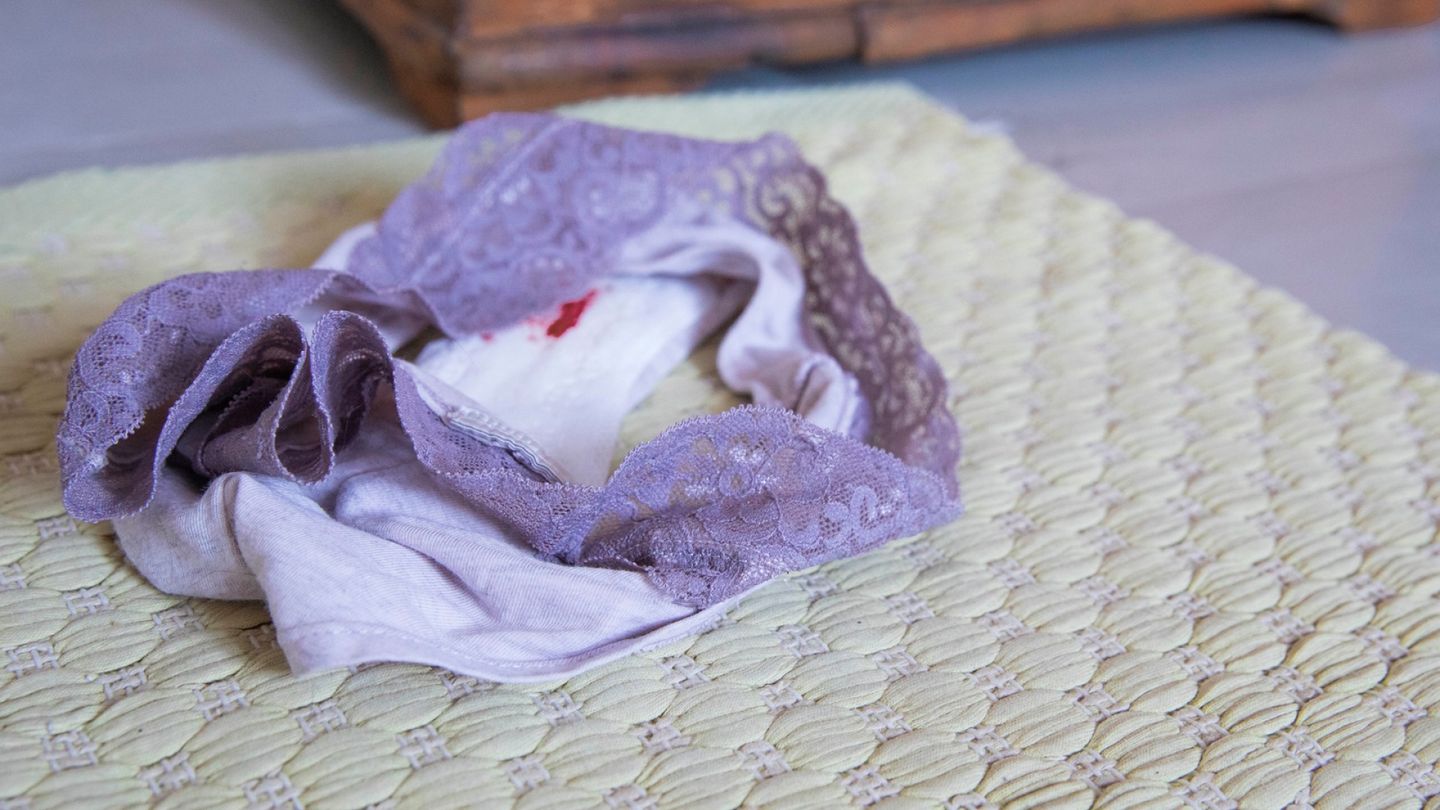
Health: Climate change may disrupt menstrual cycles
Translated from Finnish, summarized and contextualized by DistantNews.
At a glance
News
Named sources
Context piece
- Finnish researchers suggest that climate change may disrupt menstrual cycles and potentially reduce fertility.
- They are investigating whether increased menstrual irregularities correlate with heatwaves at a population level and the duration of heat's impact on hormonal function.
- Reports from women globally on TikTok indicate changes in their menstrual cycles, prompting speculation about environmental factors.
Finnish researchers are exploring a potential link between climate change and disruptions in women's menstrual cycles, which could consequently affect fertility. Professor Jouni Jaakkola suggests that it is important to examine population-level data to determine if menstrual cycle irregularities are increasing, particularly in the context of heatwaves.
A key question being investigated is the duration of heat's impact on hormonal function. This research comes in response to numerous women worldwide sharing their experiences on platforms like TikTok this summer, reporting changes in their menstrual cycles, such as late periods or unexpected bleeding. These anecdotal accounts have fueled discussions and various theories about potential causes.
The researchers aim to understand if these observed changes are coincidental or if there is a discernible correlation with environmental factors, specifically rising global temperatures and more frequent heatwaves. The study will focus on assessing the extent to which prolonged exposure to heat might interfere with hormonal balance, a critical component of the reproductive system.
While the exact mechanisms are still under investigation, the potential implications for reproductive health are significant. Understanding how environmental changes influence physiological processes like the menstrual cycle is crucial for public health initiatives and for providing accurate information to women concerned about their reproductive well-being.
It would be worth looking at the population level whether menstrual cycle irregularity is increasing, for example, as a consequence of heatwaves. An important question is also how long the effect of heat lasts on hormonal function.
DistantNews Editorial
Originally published by Helsingin Sanomat in Finnish. Translated, summarized, and contextualized by our editorial team with added local perspective. Read our editorial standards.
More Stories

From Our Blog

What Gets Lost (and Found) When News Is Translated

The Critical Role of Diaspora Media in Global News

What Travellers Should Know About Countries with Restricted Press

A Digital Nomad's Guide to Following Local News

How the Same Story Looks Different in Different Countries
