


Healthcare technology must not replace human touch, says College of Physicians
Translated from English, summarized and contextualized by DistantNews.
At a glance
News
Named sources
Context piece
- The West African College of Physicians (WACP) Ghana Chapter urges that new healthcare technologies should not overshadow the importance of human interaction in medicine.
- Vice-President Dr. Henry Lawson stressed that technology enhances practice but cannot fully grasp a patient's emotional needs, compassion, and the necessity of a human touch for recovery.
- The college is celebrating its 50th anniversary and is focused on evolving specialist training programs to address current and future health challenges, emphasizing research and innovation.
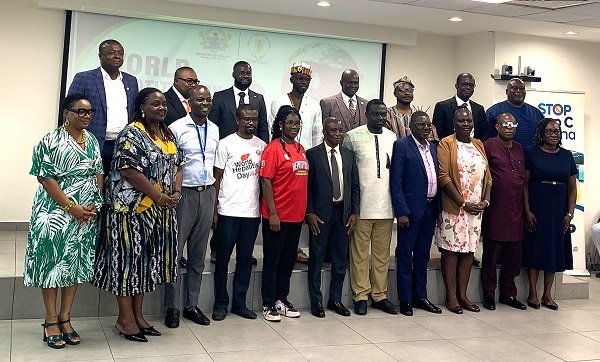
The Ghana Chapter of the West African College of Physicians (WACP) has issued a strong caution against the unchecked adoption of emerging technologies in healthcare, emphasizing that these advancements must not replace the essential human element in medical practice. Dr. Henry Lawson, Vice-President of the WACP, articulated this concern during the opening of the chapter's 49th Annual General Scientific Meeting in Accra.
Though these have come to enhance our practice, they do not see a complete human being in front of them. A being that has emotions, needs compassion and a human touch to make their recovery better.
Dr. Lawson highlighted that while technological tools are valuable for enhancing medical practice, they lack the capacity to perceive a patient as a complete human being. He stated, "Though these have come to enhance our practice, they do not see a complete human being in front of them. A being that has emotions, needs compassion and a human touch to make their recovery better." This underscores the WACP's belief in the irreplaceable value of empathy and personal connection in patient care.
We must strengthen our training programmes to prepare physicians for the evolving health needs of our people.
The meeting also served as a platform to celebrate the college's 50th anniversary, themed "50 Years of Excellence in Specialist Training: Advancing into the Future." The event brought together members, trainees, policymakers, and health stakeholders to reflect on the WACP's contributions to healthcare development in West Africa and to chart a course for the future of specialist medical education. Dr. Lawson stressed the need for continuous evolution of specialist training programs to effectively address infectious diseases, non-communicable diseases, and the challenges posed by fragile healthcare infrastructure.
Research and innovation are not optional; they are the lifeblood of evidence-based solutions that improve patient care.
Looking ahead, Dr. Lawson emphasized that research and innovation are not merely optional but are fundamental to developing evidence-based solutions that improve patient care. He called for a thorough evaluation of the college's past five decades of work to develop modules and policies aligned with modern medical practices. Professor Edwin Wiredu of the University of Ghana Medical School noted the significant growth of the WACP, which has expanded from 22 accredited institutions in 1977 to 124 regional training institutions and hospitals, producing specialists who now serve across West Africa. He credited the college's rigorous training, mentorship, and examination processes for establishing strong standards in specialist medical education, even within resource limitations.
It is appropriate and timely to decide to evaluate what we have been doing for the past five decades with the aim of developing modules and policies that fit modern evidence-based medical practice.
DistantNews Editorial
Originally published by Daily Graphic in English. Translated, summarized, and contextualized by our editorial team with added local perspective. Read our editorial standards.
More Stories


From Our Blog

What Gets Lost (and Found) When News Is Translated

The Critical Role of Diaspora Media in Global News

What Travellers Should Know About Countries with Restricted Press

A Digital Nomad's Guide to Following Local News

How the Same Story Looks Different in Different Countries
