

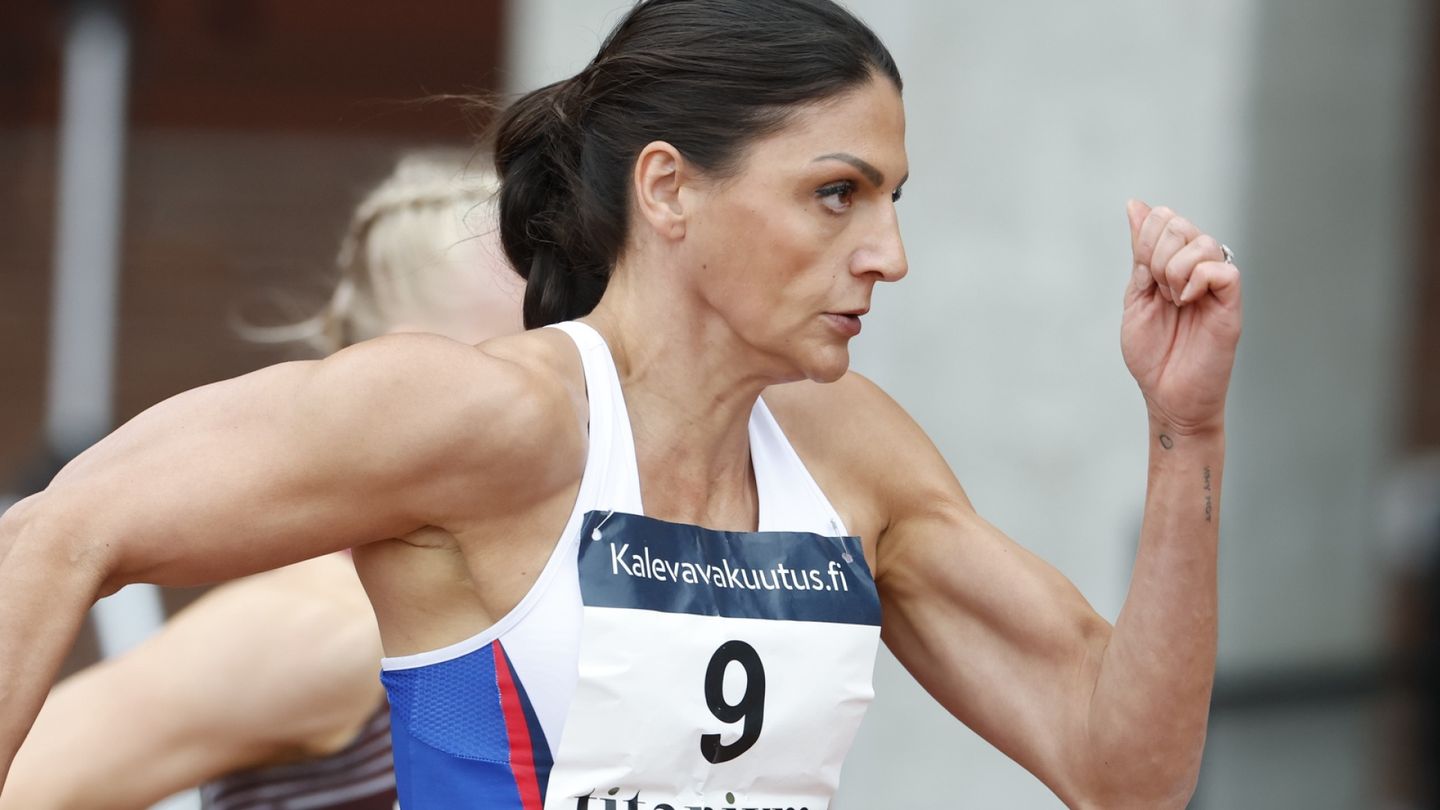
Heat threatens athletes' health; changes are necessary
Translated from Finnish, summarized and contextualized by DistantNews.
At a glance
Analysis
Named sources
Context piece
- Extreme heat during the Tour de France forced route adjustments and highlighted the severe health risks for cyclists, with riders reporting breathing difficulties and exhaustion.
- Top cyclist Tadej Pogacar suggested rescheduling major races away from the hottest months and locations, proposing a shift in the entire competition calendar.
- While race organizers initially resisted changes, they acknowledged the need for adaptation as the climate undeniably warms, indicating that classic summer events must evolve beyond tradition and scheduling.
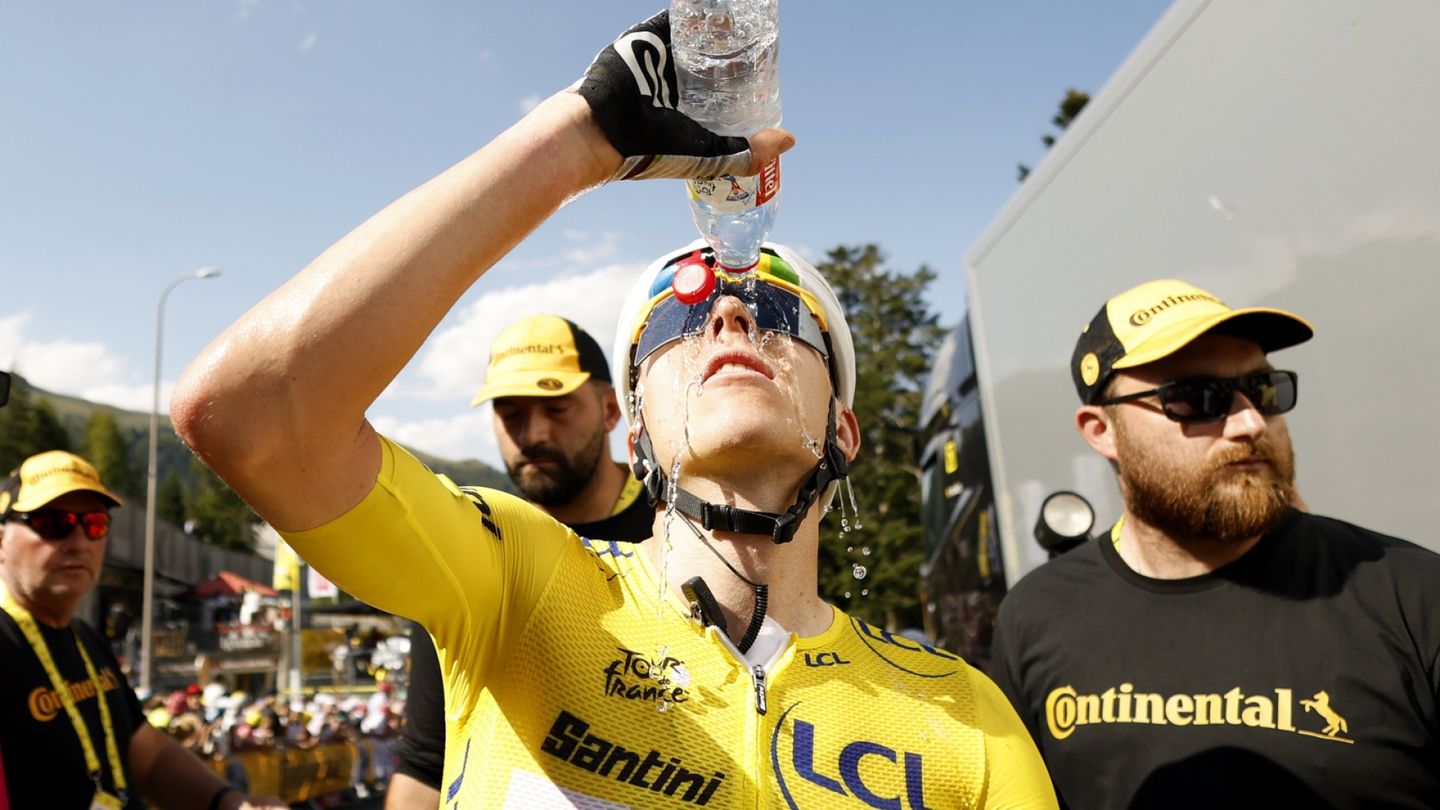
The recent Tour de France faced extreme heat, with temperatures soaring to 40 degrees Celsius (104 Fahrenheit), forcing organizers to implement special measures. The ninth stage, for instance, was shortened due to a red heat warning in the Corrèze region. Riders described the conditions as unprecedentedly challenging, with British cyclist Tom Pidcock stating he had never raced so hard in such heat. Josh Tarling reported breathing difficulties, and Lewis Askey felt his body shutting down.
These extreme conditions have reignited discussions about adapting cycling's demanding schedule. While starting stages earlier in the morning might offer marginal relief, the multi-hour daily efforts mean cyclists will inevitably race during the hottest parts of the day. Tadej Pogacar, a leading contender, went further, suggesting a complete overhaul of the racing calendar. "If I had the power to change everything, I would change the entire competition calendar. I would not organize competitions in July and August in hot places," Pogacar stated.
Major cycling events, including the "monuments" like the Tour of Flanders and Paris-Roubaix, are held in spring, while the Grand Tours, the Giro d'Italia, Tour de France, and Vuelta a España, take place between May and August. This timing places the Tour de France and the Vuelta squarely within the hottest months in Europe.
Tour de France director Christian Prudhomme initially dismissed Pogacar's suggestions, citing historical and emotional ties to the race's July slot as part of the French summer. However, he later conceded that the Tour must find ways to adapt as the climate undeniably warms. This acknowledgment signals a potential shift in how major sporting events approach scheduling in the face of climate change.
The issue extends beyond cycling. The FIFA World Cup experienced temperatures exceeding 35 degrees Celsius, necessitating hydration breaks. Track and field events in the Diamond League, Formula 1 races, the French Open, and Wimbledon have also grappled with heat-related challenges. The article concludes that classic summer sporting events can no longer rely solely on tradition, television schedules, sponsors, and tourism. As conditions become dangerous for athletes, the race calendars themselves must adapt.
If I had the power to change everything, I would change the entire competition calendar. I would not organize competitions in July and August in hot places.
DistantNews Editorial
Originally published by Helsingin Sanomat in Finnish. Translated, summarized, and contextualized by our editorial team with added local perspective. Read our editorial standards.
More Stories
From Our Blog

What Gets Lost (and Found) When News Is Translated

The Critical Role of Diaspora Media in Global News

What Travellers Should Know About Countries with Restricted Press

A Digital Nomad's Guide to Following Local News

How the Same Story Looks Different in Different Countries
