

Heatwave Drives Electricity Demand Growth in Kazakhstan
Summarized and contextualized by DistantNews.
At a glance
News
Official statement
Context piece
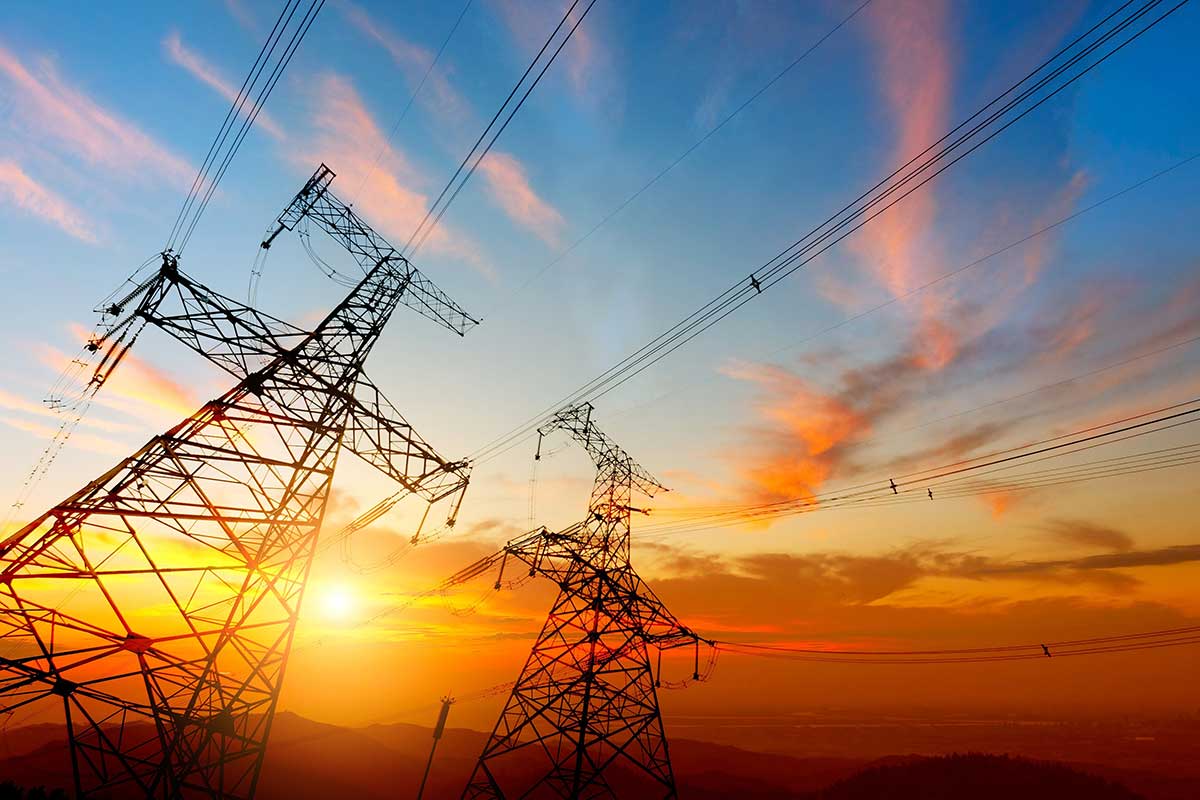
- Abnormally high temperatures in Kazakhstan have increased electricity consumption and strained the national power system, particularly during peak evening hours.
- The Ministry of Energy reported that the national energy system is operating normally, with additional demand primarily from cooling systems due to the heatwave.
- Kazakhstan is expanding its generation capacity, expecting new facilities to meet domestic demand and create reserves by 2027, while also utilizing electricity imports to manage peak loads.
Kazakhstan's power system is facing increased pressure due to abnormally high temperatures driving up electricity consumption, especially during evening peak hours. The Ministry of Energy confirmed the national energy system is operating normally but noted the significant rise in demand, largely attributed to the increased use of cooling systems and other equipment.
The national energy system is operating normally, while additional demand is mainly observed during periods of maximum consumption.
While weather conditions are a major factor, the ministry also pointed to rising household and economic activity as contributors to the growing electricity demand. Consumption has steadily increased in recent years, reaching 57.1 billion kilowatt-hours as of July 1, compared to 48.4 billion kWh on June 1 and 43.7 billion kWh on May 1.
Higher temperatures have increased the use of cooling systems and other equipment, adding to electricity demand.
To manage these peak demand periods, Kazakhstan relies on electricity imports from neighboring countries for temporary local shortages. Looking ahead, the government is actively expanding generation capacity, with projections that new facilities will fully cover domestic electricity needs and provide additional reserves for economic growth by 2027. The extreme heat's impact is not limited to energy demand, also affecting public health and daily life across the country.
The ministry noted that weather conditions are only one factor behind consumption growth, with rising household and economic activity also contributing to the trend.
DistantNews Editorial
Originally published by The Astana Times. Summarized and contextualized by our editorial team with added local perspective. Read our editorial standards.
More Stories

From Our Blog

What Gets Lost (and Found) When News Is Translated

The Critical Role of Diaspora Media in Global News

What Travellers Should Know About Countries with Restricted Press

A Digital Nomad's Guide to Following Local News

How the Same Story Looks Different in Different Countries
