


What CPC Disruptions Reveal About Energy Security, Kazakhstan’s Balanced Foreign Policy
Summarized and contextualized by DistantNews.
At a glance
News
Named sources
Outcome reported
- - Ukrainian drone attacks on July 17 and 19 temporarily halted operations at the Caspian Pipeline Consortium (CPC), which exports about 80% of Kazakhstan's oil.
- The attacks caused a complete suspension of operations, raising concerns about Kazakhstan's energy security and export dependence.
- Kazakhstan resumed crude oil exports via CPC on July 27, with the ministry condemning the attacks as an infringement on economic interests and an attempt to destabilize global energy markets.
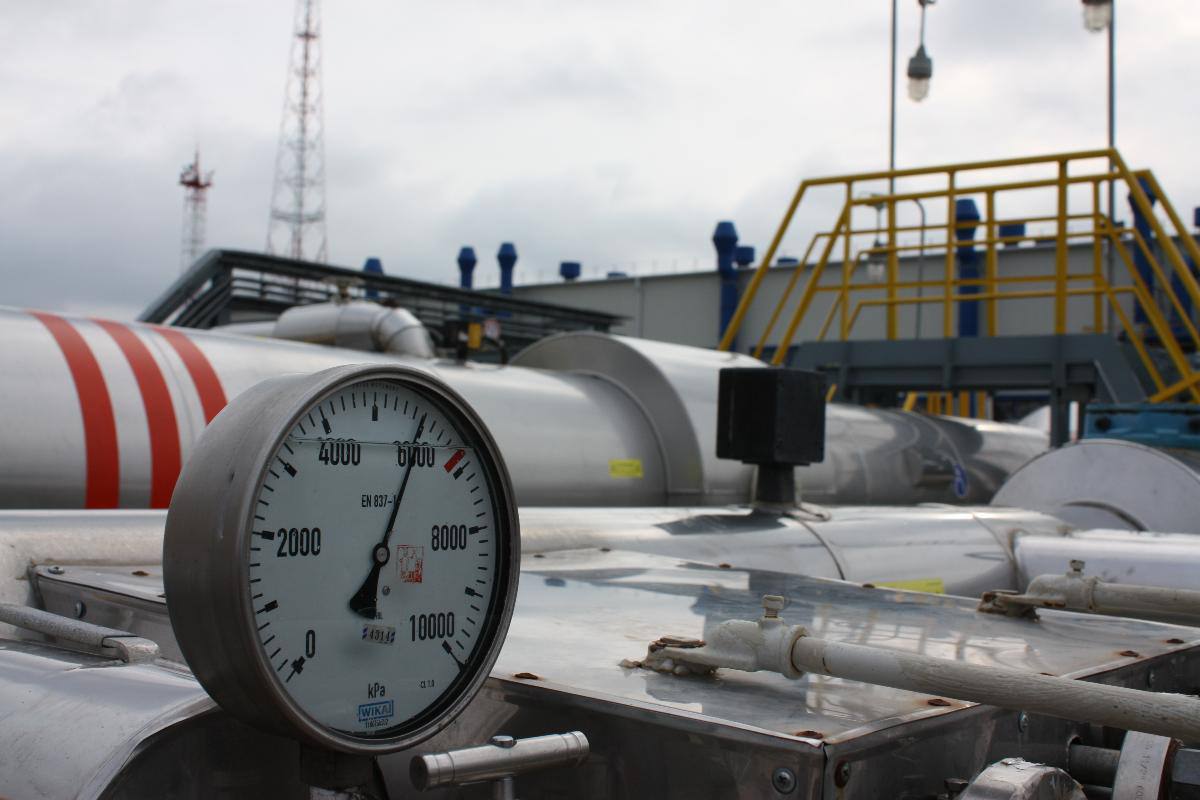
Recurrent Ukrainian drone attacks on July 17 and 19 have disrupted operations at the Caspian Pipeline Consortium (CPC), the vital artery for approximately 80% of Kazakhstan's oil exports. The attacks, which occurred at the CPC terminal on the Black Sea, led to a complete suspension of the pipeline's operations for a week, significantly raising the stakes for Kazakhstan and its international energy partners.
The Kazakh Foreign Ministry condemned the strikes, labeling them an "unacceptable infringement on Kazakhstan’s economic interests." The ministry stated that the attacks amounted to deliberate attempts to destabilize legitimate international trade, global energy markets, and transport and logistics chains. Kazakhstan urged its partners to unequivocally condemn the actions and collaborate on practical measures to safeguard the export infrastructure.
What this means for energy security more broadly is that it highlights how suddenly vulnerable export systems become when they depend on a narrow set of transit corridors. Even a major producer can be exposed if its routes to market run through suddenly politically fragile territory.
Crude oil exports via CPC resumed on July 27. However, the incident highlights the vulnerability of Kazakhstan's export systems, which rely on a narrow set of transit corridors. "What this means for energy security more broadly is that it highlights how suddenly vulnerable export systems become when they depend on a narrow set of transit corridors," said Alexander Cooley, a political science professor at Barnard College. "Even a major producer can be exposed if its routes to market run through suddenly politically fragile territory."
The CPC pipeline, a 1,511-kilometer route from western Kazakhstan to the Russian Black Sea port of Novorossiysk, is crucial for shipping Kazakh hydrocarbons to international markets. Key shareholders include Russia (24%), KazMunayGas (19%), Chevron (15%), and Lukoil (12.5%). In 2025, the system transported 64.8 million tons of Kazakh oil, representing 82.3% of the country's total crude exports.
unacceptable infringement on Kazakhstan’s economic interests
DistantNews Editorial
Originally published by The Astana Times. Summarized and contextualized by our editorial team with added local perspective. Read our editorial standards.
More Stories


From Our Blog

What Gets Lost (and Found) When News Is Translated

The Critical Role of Diaspora Media in Global News

What Travellers Should Know About Countries with Restricted Press

A Digital Nomad's Guide to Following Local News

How the Same Story Looks Different in Different Countries
