

Heatwaves reshape Austrian real estate search, prioritizing comfort and health
Translated from German, summarized and contextualized by DistantNews.
At a glance
News
Named sources
Context piece
- Heatwaves in Austria are significantly impacting the real estate market, shifting buyer priorities.
- Potential tenants increasingly inquire about a property's comfort and healthiness during hot summer days.
- Features like external blinds and building orientation are gaining importance, alongside cooling systems.
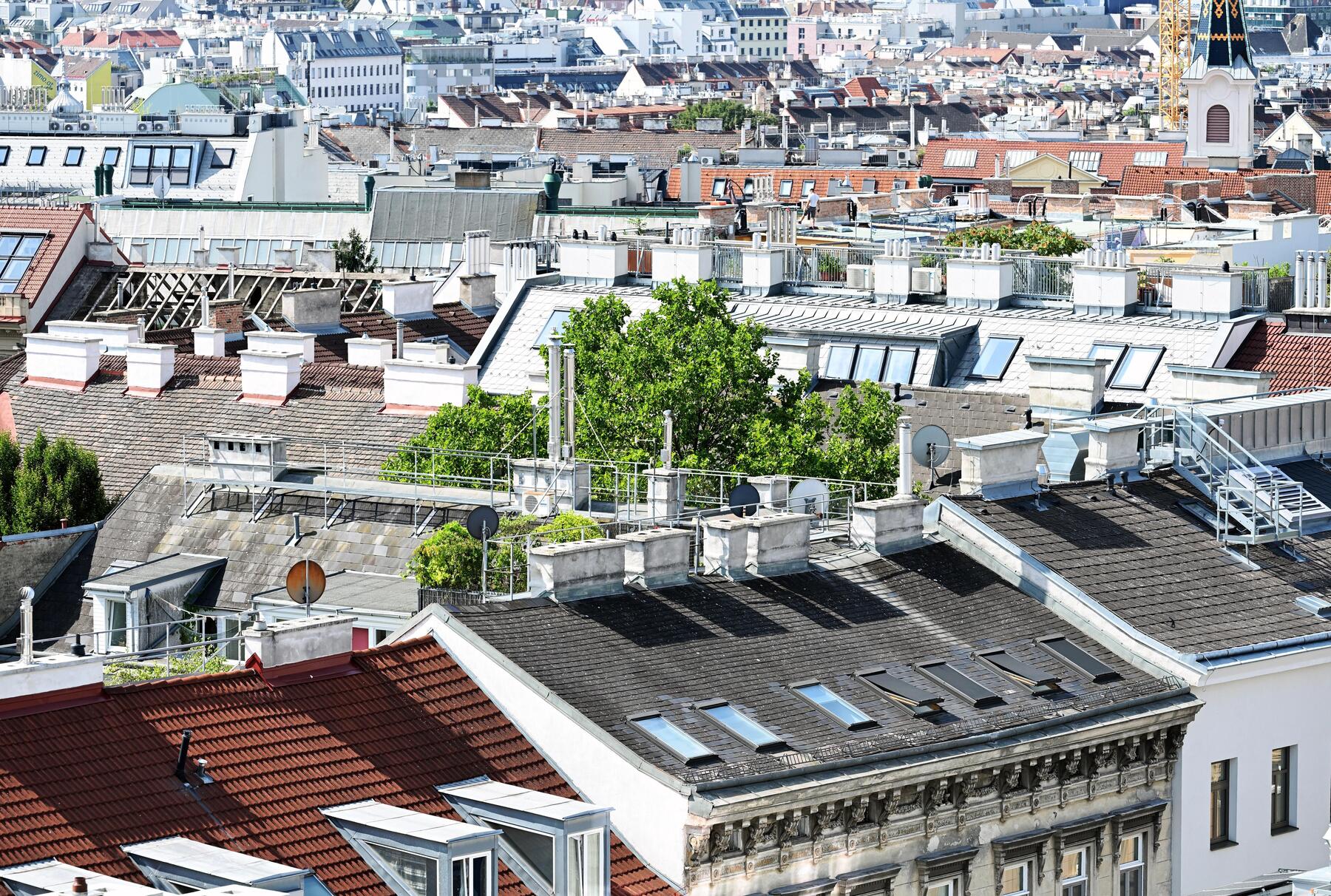
Austria's increasingly frequent and intense heatwaves are reshaping the priorities of individuals searching for housing. Beyond traditional factors like location, size, and cost, prospective tenants are now placing a significant emphasis on a property's ability to maintain a comfortable and healthy indoor climate during extreme summer temperatures.
Martina Hirsch, managing director of s REAL Immobilien, notes a growing demand for information regarding a property's thermal comfort. "The question of 'how pleasant and also how healthy is living in the property on hot summer days' is being asked more and more often," she stated. Factors such as the building's orientation, the presence of green outdoor spaces, and effective shading are becoming crucial considerations during property viewings.
While air conditioning and cooling systems are gaining traction, there's a growing awareness that preventing heat from entering the building in the first place is paramount. External shading solutions, such as blinds, are highlighted as essential for reducing heat gain at the building's exterior. The ARGE Eigenheim emphasizes a hierarchy of solutions: first, improving the building's thermal envelope to keep heat out, then implementing efficient technical cooling systems, and finally, using individual air conditioning units only where absolutely necessary.
This shift in focus also intersects with the increasing electrification of homes, including electric vehicle charging stations, heat pumps, and air conditioning units. Isabella Stickler of ARGE Eigenheim warns that the existing infrastructure may not be equipped to handle the added load, stressing the need for careful planning, installation, maintenance, and safety considerations to manage the increased demand on electrical systems.
DistantNews Editorial
Originally published by Die Presse in German. Translated, summarized, and contextualized by our editorial team with added local perspective. Read our editorial standards.
More Stories


From Our Blog

What Gets Lost (and Found) When News Is Translated

The Critical Role of Diaspora Media in Global News

What Travellers Should Know About Countries with Restricted Press

A Digital Nomad's Guide to Following Local News

How the Same Story Looks Different in Different Countries
