

Heavy downpours may hit Central Asia this summer, UN forecast says
Summarized and contextualized by DistantNews.
At a glance
News
Official statement
Context piece
- Central Asian countries may experience extreme heavy downpours this summer due to the return of El Niño, according to the UN World Meteorological Organization.
- This phenomenon, combined with existing global warming, could lead to a sharp release of moisture in the region.
- UN officials urge accelerated transition to renewable energy and improved early warning systems to mitigate climate risks.
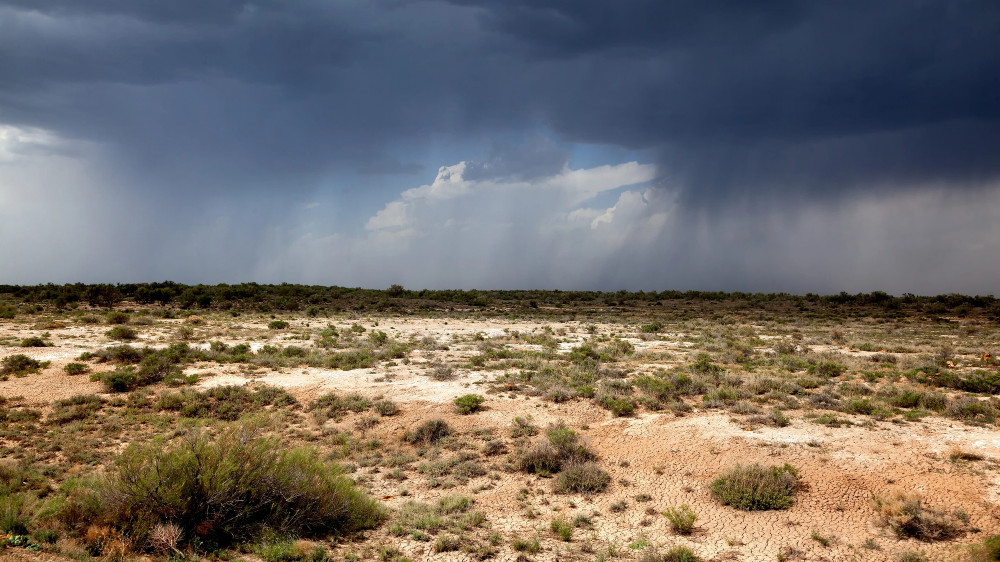
Central Asian countries could face extreme heavy downpours this summer, a forecast from the UN's World Meteorological Organization (WMO) suggests. This potential "surprise" weather event is linked to the return of the Pacific phenomenon El Niño.
While the connection between El Niño in the equatorial Pacific and weather in Central Asia might not be immediately obvious, the WMO warns of a dangerous cumulative effect expected in 2026. The planet's atmosphere and hydrosphere are already critically overheated due to human activities. When El Niño overlaps with this warming trend, the climate system could react with unprecedented force, leading to a sharp release of massive amounts of moisture rather than gradual changes.
El Niño conditions will add fuel to the fire of planetary warming.
According to UN forecasts, Central Asia, along with the southern United States, is identified as a primary target for these abnormal heavy rainfall events. UN Secretary-General António Guterres emphasized the urgency, stating, "El Niño conditions will add fuel to the fire of planetary warming." He called for an accelerated transition to renewable energy sources, protection for vulnerable populations, and the development of robust early warning systems.
WMO Secretary-General Celeste Saulo stressed the need for heightened preparedness. "We need to prepare for a potentially strong El Niño event, which will intensify droughts and heavy rainfall, as well as increase the risk of heatwaves both on land and in the ocean," she stated. Meteorologists estimate an 80 percent probability of El Niño developing in the coming summer months, with a over 90 percent chance of the anomaly persisting into winter.
We need to prepare for a potentially strong El Niño event, which will intensify droughts and heavy rainfall, as well as increase the risk of heatwaves both on land and in the ocean.
DistantNews Editorial
Originally published by Tengrinews. Summarized and contextualized by our editorial team with added local perspective. Read our editorial standards.
More Stories


From Our Blog

What Gets Lost (and Found) When News Is Translated

The Critical Role of Diaspora Media in Global News

What Travellers Should Know About Countries with Restricted Press

A Digital Nomad's Guide to Following Local News

How the Same Story Looks Different in Different Countries
