

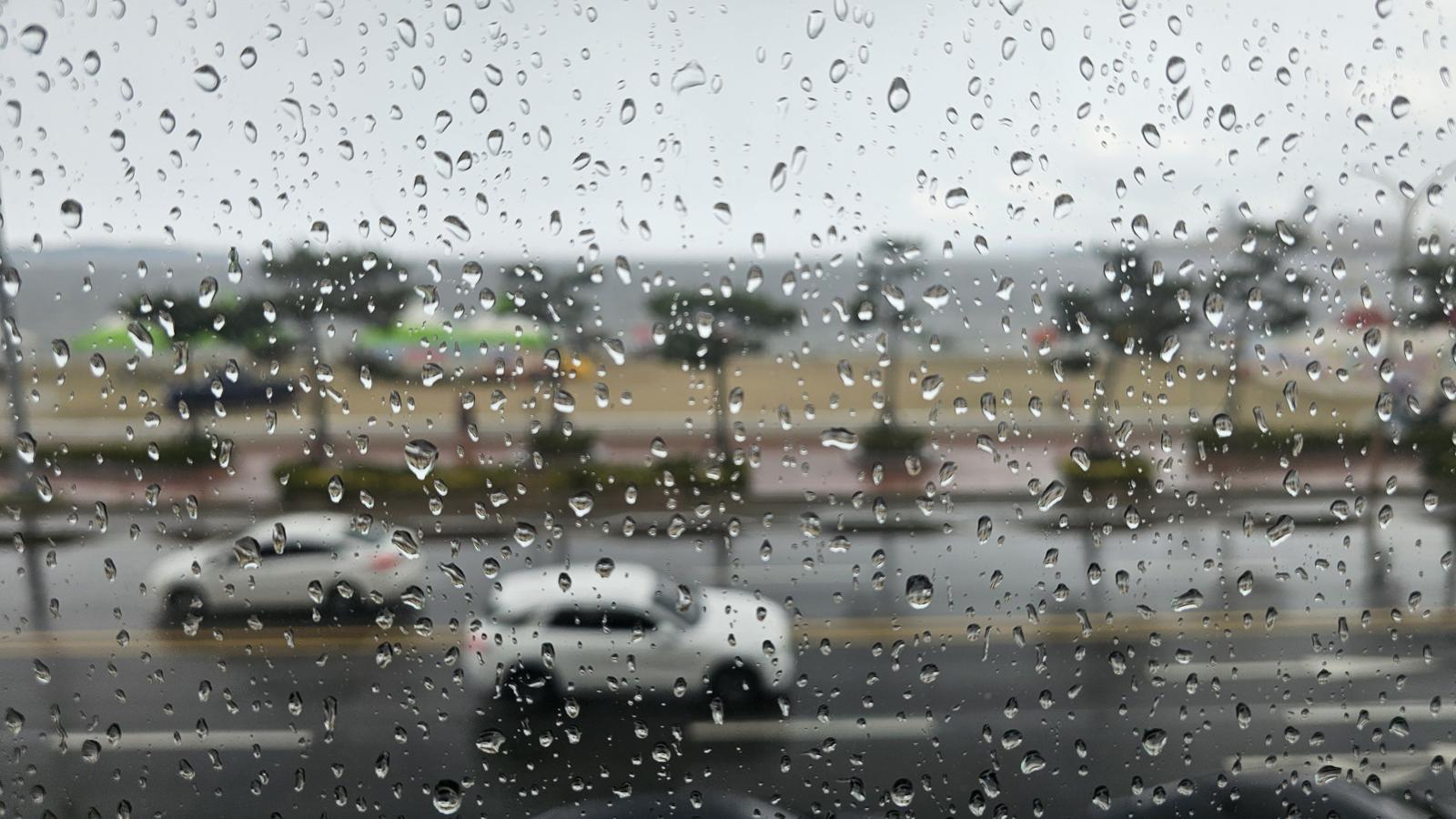

Heavy rain warning expanded to southern regions; crisis alert raised from 'Watch' to 'Advisory'
Translated from Korean, summarized and contextualized by DistantNews.
At a glance
News
Official statement
Ongoing story
- South Korea's Ministry of the Interior and Safety raised the heavy rain warning level to 'Advisory' from 'Watch' starting at 7 a.m. on August 16.
- The warning was elevated due to forecasts of significant rainfall, particularly in areas near Jirisan, prompting the dispatch of three on-site situation management officials to Gyeongnam.
- Heavy rain is expected across southern regions and Jeju Island until August 17, with warnings of potential landslides and flooding due to intense downpours.
South Korea's Ministry of the Interior and Safety has elevated the heavy rain warning level to 'Advisory' from 'Watch' as of 7 a.m. on August 16. This decision comes as heavy rainfall is expected to expand across the southern regions of the country.
The forecast indicates substantial rainfall, especially in areas surrounding Jirisan, a mountainous region known for its natural beauty. In response to this prediction, the ministry has dispatched three on-site situation management officials to the Gyeongnam province to monitor and manage the developing situation.
Earlier on the same day, at 6:30 a.m., a meeting was held to assess the heavy rain situation. The gathering, chaired by the head of the Disaster and Safety Management Headquarters, reviewed regional precipitation levels, damage reports, and preparedness measures for areas vulnerable to landslides.
As of 8 a.m., heavy rain advisories were in effect for Jeonnam, Gyeongnam, and Jeju Island. The Nambu Seohaean area of Jeonnam was experiencing extremely intense rainfall, with rates exceeding 50 millimeters per hour. Forecasters predict that from August 16 to 17, southern regions and Jeju Island will continue to receive strong to heavy rain, ranging from 20 to 50 millimeters per hour, with some areas potentially exceeding 70 millimeters. This intense precipitation raises concerns about potential landslides and flooding.
DistantNews Editorial
Originally published by Hankyoreh in Korean. Translated, summarized, and contextualized by our editorial team with added local perspective. Read our editorial standards.
More Stories


From Our Blog

What Gets Lost (and Found) When News Is Translated

The Critical Role of Diaspora Media in Global News

What Travellers Should Know About Countries with Restricted Press

A Digital Nomad's Guide to Following Local News

How the Same Story Looks Different in Different Countries
