


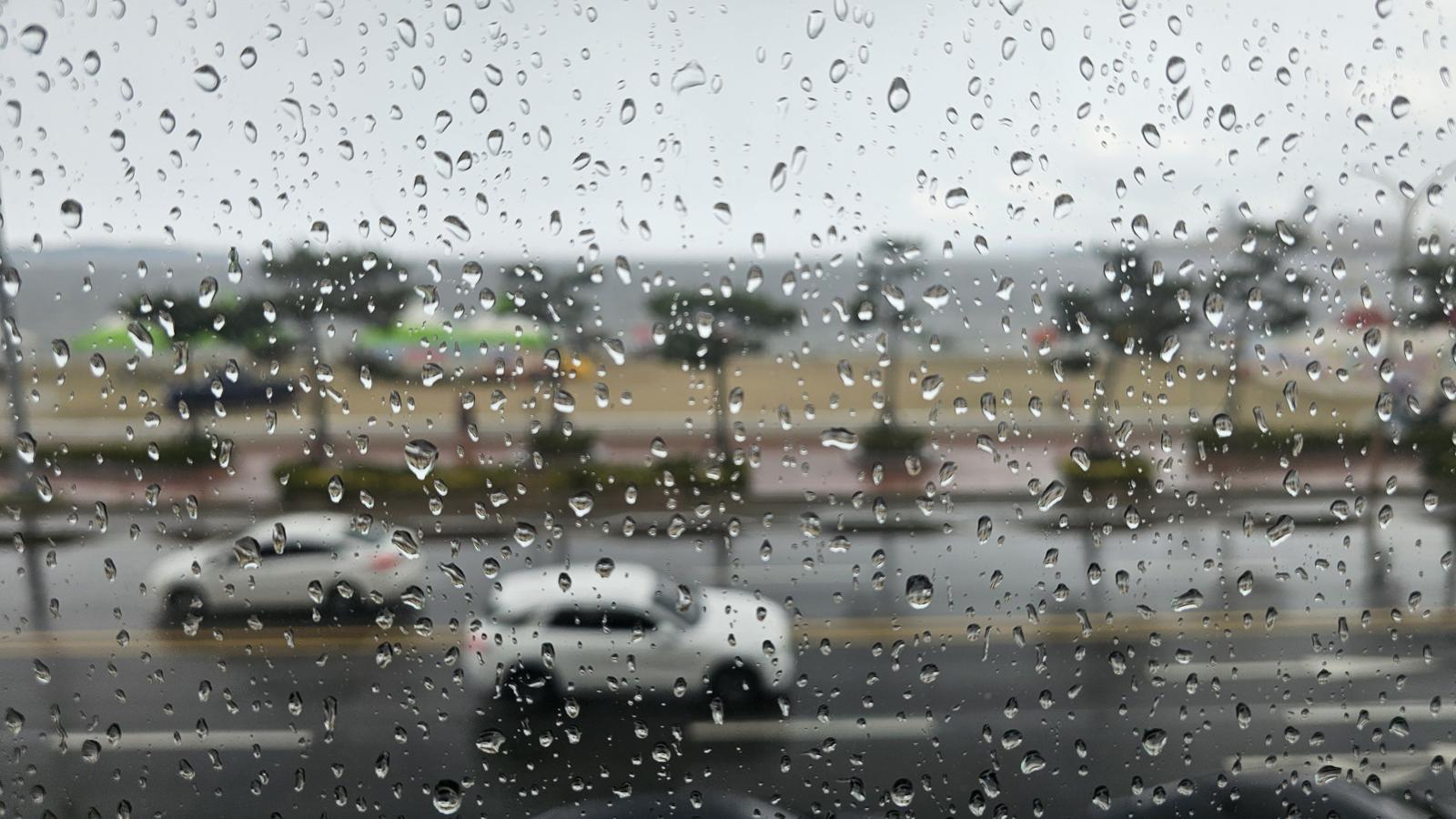
South Korea Ups Flood Alert as Heavy Rains Soak Southern Regions
Translated from Korean, summarized and contextualized by DistantNews.
At a glance
News
Sources not specified
Ongoing story
- The South Korean government raised the flood crisis alert to 'Advisory' as heavy rain warnings expanded across the southern region.
- Over 11 reports of damage, including flooded roads and homes, have been filed, though no casualties are reported yet.
- National park trails and riverside paths are closed, and officials are closely monitoring the situation, especially in areas like Jirisan expected to receive significant rainfall.
Heavy rains have prompted South Korea to elevate its flood crisis alert to the 'Advisory' level, with warnings now covering a wider swathe of the southern part of the country. As of Saturday morning, four areas in South Jeolla province, including Mokpo, were under a heavy rain warning, with 26 other cities and counties across the region, as well as parts of Gyeongsangnam-do and Jeju Island, under an advisory. The Ministry of the Interior and Safety cited the expanding warnings and the potential for intense rainfall beyond forecasted areas as reasons for raising the alert from 'Watch' to 'Advisory'.
While no fatalities have been reported so far, the downpour has caused considerable damage. Eleven incidents, including eight cases of flooded roads, one fallen tree, one flooded house, and one flooded underground parking lot, have been reported. In response to the severe weather, 91 sections of trails in four national parks, Jirisan, Wolchulsan, Dadohae, and Hallasan, have been closed. Park officials are on-site at Jirisan, where significant rainfall is anticipated, with three situation management officers deployed to monitor the conditions.
The government will not lower its guard and will do its best to manage the situation with related agencies to minimize damage from heavy rainfall.
Access to 162 locations, such as riverside walkways and submerged bridges, has been restricted in areas including Busan, Ulsan, Gyeongsangnam-do, and Jeju. Authorities have also conducted pre-emptive checks on over 32,000 locations, including drainage grates and campsites. The Central Disaster and Safety Countermeasures Headquarters has urged local governments to proactively close off high-risk areas like campsites and riverbanks, and to evacuate residents and campers immediately if signs of danger appear. They are also reinforcing patrols in landslide-prone areas and underground facilities and inspecting drainage systems.
We ask the public to be aware of dangerous situations around them and to actively cooperate with control and evacuation guidance from local governments.
DistantNews Editorial
Originally published by Dong-A Ilbo in Korean. Translated, summarized, and contextualized by our editorial team with added local perspective. Read our editorial standards.
More Stories

From Our Blog

What Gets Lost (and Found) When News Is Translated

The Critical Role of Diaspora Media in Global News

What Travellers Should Know About Countries with Restricted Press

A Digital Nomad's Guide to Following Local News

How the Same Story Looks Different in Different Countries
