


Hemophilia in Peru: Patients Warn Access to Key Treatment Depends on Health Insurance Type
Translated from Spanish, summarized and contextualized by DistantNews.
At a glance
News
Sources not specified
Context piece
- Peruvian hemophilia patients face unequal access to the crucial treatment emicizumab based on their health insurance.
- Patients insured by EsSalud can access the drug, which reduces bleeding episodes, while those covered by the Ministry of Health's SIS cannot.
- The Peruvian Hemophilia Association is urging regulatory bodies to approve emicizumab for wider public access, citing its WHO Essential Medicine status.
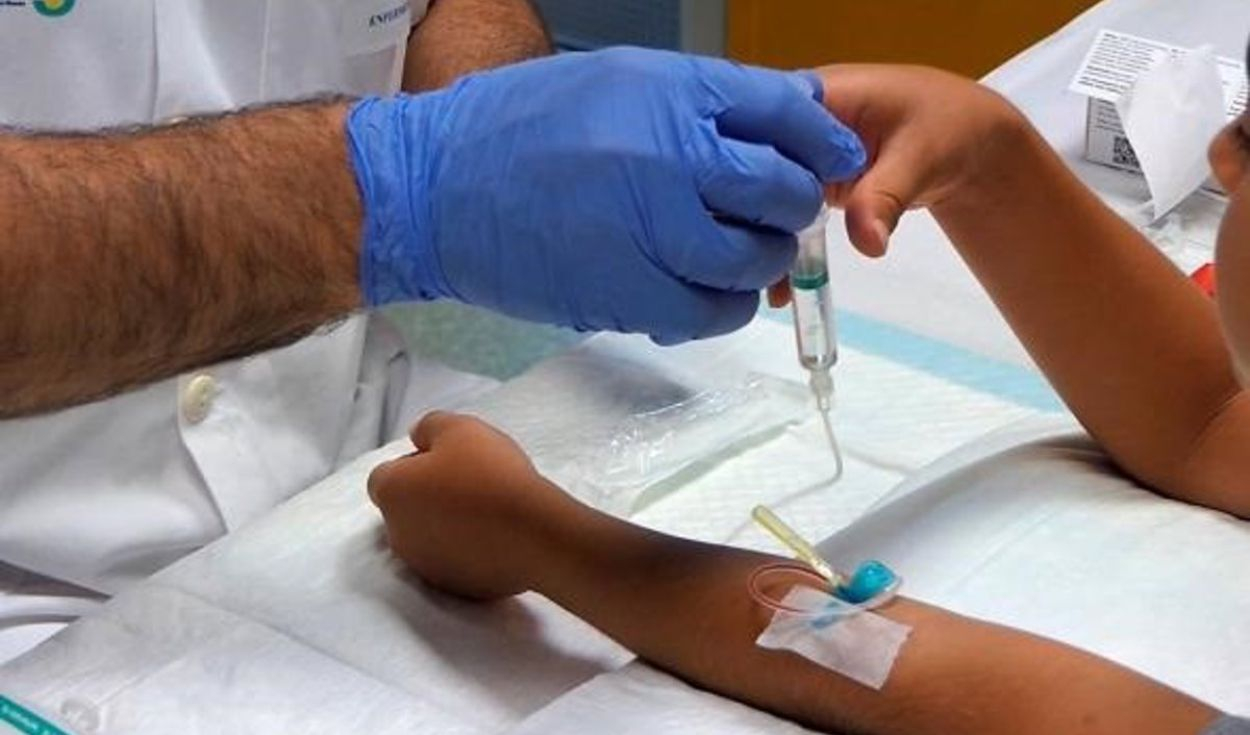
A stark disparity in healthcare access is leaving some hemophilia patients in Peru unable to receive a life-changing treatment, solely based on their health insurance provider. Emicizumab, a medication that significantly reduces bleeding episodes and prevents permanent disabilities, is available to children insured by EsSalud, the social security health system. However, children with the same diagnosis covered by the Integral Health Insurance (SIS) under the Ministry of Health (Minsa) are denied this crucial therapy.
A child with hemophilia affiliated with EsSalud can access emicizumab, a treatment that reduces bleeding episodes and prevents permanent sequelae. Another child with the same diagnosis, but covered by the Ministry of Health's Integral Health Insurance (SIS), does not have that possibility.
The Peruvian Hemophilia Association (ASPEH) is leading the charge against this inequality, demanding that the General Directorate of Medicines, Supplies, and Drugs (Digemid) grant favorable evaluation for broader access to emicizumab within the public healthcare system. ASPEH argues that this disparity lacks technical justification, especially since emicizumab was added to the World Health Organization's (WHO) List of Essential Medicines in 2025. Furthermore, EsSalud has been utilizing this treatment for specific patient groups since 2019, progressively expanding its coverage.
Joseph Alcarraz, president of ASPEH, highlighted the discriminatory nature of the situation, stating, "What we are denouncing is a discriminatory reality that should not exist." He emphasized that while EsSalud-insured children can access emicizumab for a life comparable to those without hemophilia, SIS-covered children face a different reality. According to ASPEH, approximately 3,400 people live with hemophilia in Peru, but only about 30% have a confirmed diagnosis, and six out of ten patients report significant physical deterioration or disability.
What we are denouncing is a discriminatory reality that should not exist: a child with hemophilia whose parents are insured by EsSalud can access emicizumab, a drug recognized as essential by the WHO and that will allow them to have a life and future similar to that of a person without said pathology. Unfortunately, the same does not happen with a child treated by SIS.
The focus now shifts to Digemid's ongoing health technology assessment. Documents indicate that the evaluation of emicizumab's therapeutic value for hemophilia A, both with and without inhibitors, is scheduled for completion by June 23 and June 25, 2026, respectively. These evaluations are critical steps in formalizing the drug's therapeutic use in Peru and could determine the future for hundreds of patients reliant on the Ministry of Health network.
The expectation of patients is concentrated on the health technology evaluation process that Digemid is developing to formalize the therapeutic use of emicizumab in Peru.
DistantNews Editorial
Originally published by La República in Spanish. Translated, summarized, and contextualized by our editorial team with added local perspective. Read our editorial standards.
More Stories

From Our Blog

What Gets Lost (and Found) When News Is Translated

The Critical Role of Diaspora Media in Global News

What Travellers Should Know About Countries with Restricted Press

A Digital Nomad's Guide to Following Local News

How the Same Story Looks Different in Different Countries
