


Hidden Costs Drive Up Cement Prices, Risking 'Sick Projects' in Malaysia
Translated from Malay, summarized and contextualized by DistantNews.
At a glance
News
Named sources
Context piece
- Malaysian contractors are facing significant cost increases for cement due to alleged hidden charges from suppliers, risking 'sick projects'.
- While official prices may show minimal increases, contractors bear extra costs for transport and other components, inflating the actual price of cement.
- The Malaysian Malay Contractors Association urges the government to reassess its data collection methods and consider mechanisms like Price Variation (VOP) to address the rising construction costs.
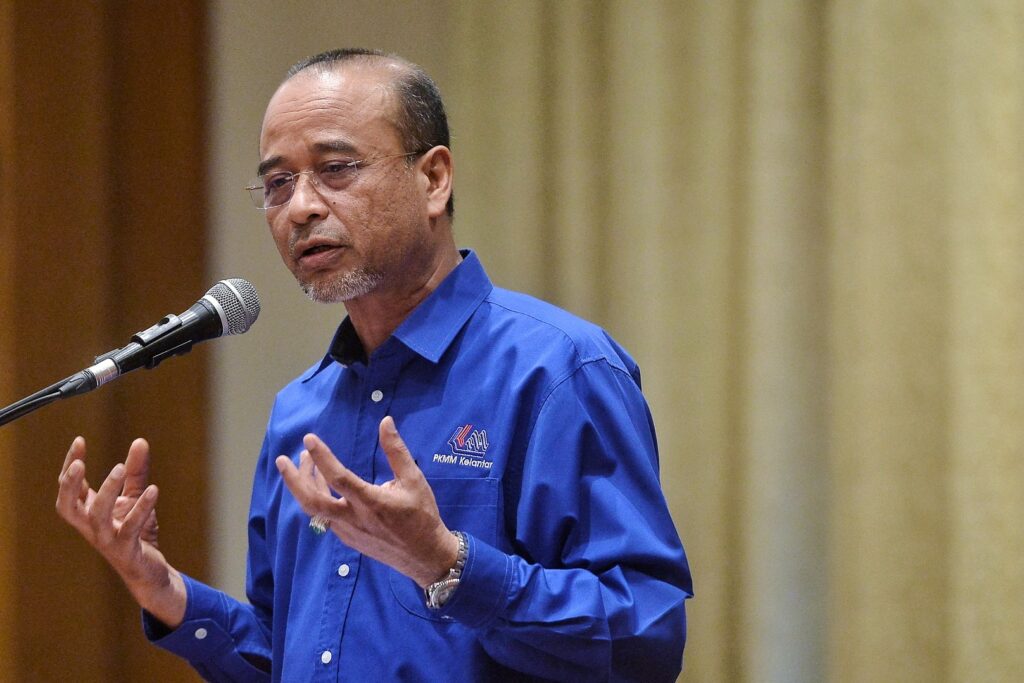
Construction projects in Malaysia are at risk of becoming 'sick projects' due to escalating cement prices, driven by what contractors describe as hidden costs imposed by suppliers. The Malaysian Malay Contractors Association (PKMM) reports that despite government assurances of minimal price hikes, contractors are shouldering substantial additional expenses.
On paper, the price of cement may not change, but suppliers charge for other components. Ultimately, all these costs are borne by the contractors.
Datuk Mohd. Rosdi Ab. Aziz, president of PKMM, explained that while the listed price of cement might appear stable, suppliers are adding charges to other components. This practice effectively increases the real cost of cement by RM3 to RM4 per bag, a burden that ultimately falls on the contractors. He noted a discrepancy between the information the government receives from manufacturers and suppliers and the actual ground reality faced by contractors.
This situation places immense pressure on the construction industry, as contractors cannot postpone material purchases while projects are ongoing. Compounding the issue, the price of ready-mix concrete, widely used in construction, has also risen by approximately RM50 per cubic meter. Small and medium-sized contractors are particularly affected, lacking the financial capacity to absorb these continuous cost increases.
The information received by the government differs from the reality on the ground because the government only refers to manufacturers and suppliers, whereas contractors bear the actual costs, which are much higher.
Mohd. Rosdi urged the government to diversify its data sources for construction material prices, moving beyond manufacturers, suppliers, and the Department of Statistics. He recommended including input from contractors, contractor associations, and the Construction Industry Development Board (CIDB) to ensure policies accurately reflect the industry's current state. PKMM proposes the government consider implementing a Price Variation (VOP) mechanism or revising the rate schedule for works to prevent further project delays and mitigate the impact on the public, especially individuals building their own homes.
This situation has the potential to further worsen the performance of government project implementation as more contractors fail to cover the increased costs.
DistantNews Editorial
Originally published by Utusan Malaysia in Malay. Translated, summarized, and contextualized by our editorial team with added local perspective. Read our editorial standards.
More Stories


From Our Blog

What Gets Lost (and Found) When News Is Translated

The Critical Role of Diaspora Media in Global News

What Travellers Should Know About Countries with Restricted Press

A Digital Nomad's Guide to Following Local News

How the Same Story Looks Different in Different Countries
