

Historic Dispute Erupts Over Zelenskyy's Decisions: Warsaw and Israel Protest
Translated from Hungarian, summarized and contextualized by DistantNews.
At a glance
News
Sources not specified
Context piece
- Ukrainian President Zelenskyy's decisions to honor controversial historical figures have sparked protests from Poland and Israel.
- The controversy centers on the Ukrainian Insurgent Army (UPA) and the Organization of Ukrainian Nationalists (OUN), whose roles during WWII are debated, with some viewing them as independence symbols and others as collaborators involved in atrocities.
- Poland is considering revoking a state honor awarded to Zelenskyy, while analysts note the war is accelerating Ukraine's national identity shift away from Russian ties.
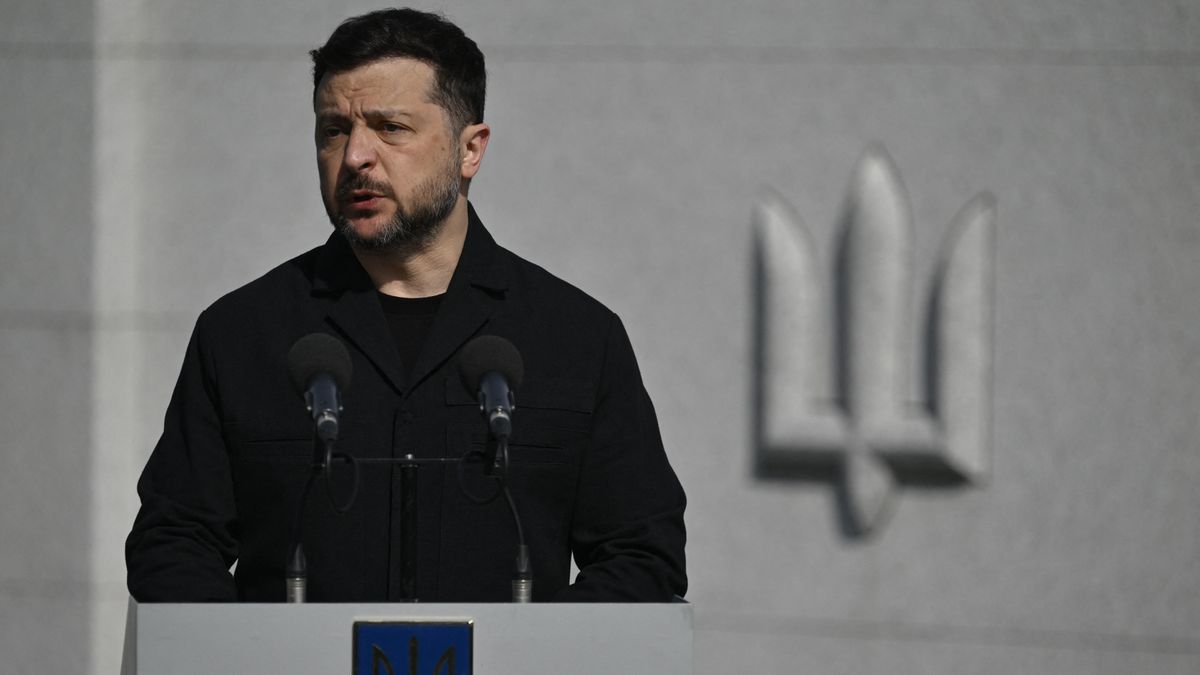
Decisions by Ukrainian President Volodymyr Zelenskyy to honor controversial historical figures have ignited strong protests from both Poland and Israel, highlighting deep divisions over Ukraine's national narrative.
The latest controversy stems from Zelenskyy's decision to name a special operations military unit after the Ukrainian Insurgent Army (UPA). The UPA and its parent organization, the Organization of Ukrainian Nationalists (OUN), played a highly divisive role during World War II. Supporters view them as symbols of Ukraine's fight for independence, while critics point to their alleged collaboration with Nazi Germany and their involvement in atrocities against Polish and Jewish civilians.
These actions have drawn sharp criticism from Israel. The Israeli Ministry of Foreign Affairs and the Yad Vashem Holocaust remembrance center have both expressed their objections. In Poland, the backlash has been significant, with the president of the Polish National Remembrance Institute, Karol Nawrocki, announcing he will seek the revocation of the Order of the White Eagle, Poland's highest state decoration, from Zelenskyy.
Analysts suggest that the ongoing war with Russia has significantly accelerated a transformation in Ukraine's national identity. Facing Russian invasion, a large segment of Ukrainian society is distancing itself from Russian cultural and historical ties, strengthening a distinct Ukrainian national narrative. This has led to numerous streets, squares, and institutions being renamed after historical figures who fought against Soviet rule, increasingly including leaders of the OUN and UPA. Public opinion polls indicate a notable improvement in the perception of these nationalist organizations within Ukrainian society since the war began, with support growing considerably compared to a decade ago.
DistantNews Editorial
Originally published by Magyar Nemzet in Hungarian. Translated, summarized, and contextualized by our editorial team with added local perspective. Read our editorial standards.
More Stories
From Our Blog

Countries Without a Free Press: What You Need to Know

What Press Freedom Means for the News You Read

What Gets Lost (and Found) When News Is Translated

The Critical Role of Diaspora Media in Global News

What Travellers Should Know About Countries with Restricted Press
