


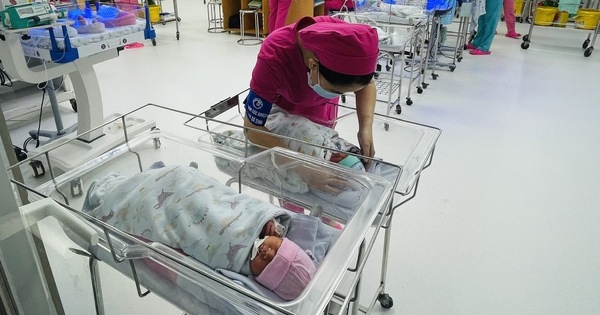
Ho Chi Minh City Implements Policies to Boost Birth Rate
Translated from Vietnamese, summarized and contextualized by DistantNews.
TLDR
- Ho Chi Minh City has launched a plan to increase its birth rate, which is currently at a low of 1.51 children per woman.
- The goal is to raise the total fertility rate to 1.6 children per woman by 2030, with an average annual increase of nearly 2%.
- The city is implementing various policies to encourage childbirth, including financial support for families with two children and prioritizing public education for children from such families.
Facing a concerningly low birth rate, Ho Chi Minh City is taking decisive action by implementing a comprehensive plan aimed at boosting its population for the period of 2026-2030. The city's current fertility rate of 1.51 children per woman falls significantly below the replacement level, posing potential challenges for future economic and social development. This initiative marks a strategic shift from traditional family planning to a focus on population and development, with a clear objective to reach a total fertility rate of 1.6 children per woman by 2030.
The plan emphasizes the crucial role of Party members and government officials in setting an example by having and raising children well, aiming to create a positive ripple effect throughout society. This top-down approach underscores the government's commitment to addressing the demographic challenge. Communication strategies will be intensified, targeting various groups, especially young people, workers, and migrants, with tailored messages promoting the benefits of timely marriage and childbirth, while also warning against the consequences of a low birth rate.
To achieve its goals, Ho Chi Minh City is rolling out a suite of supportive policies. These include financial incentives, such as a 5 million VND bonus for women who have their second child before the age of 35, and support for pre-marital health checks and infertility treatments for those facing difficulties. The city is also exploring measures to facilitate women's return to the workforce after childbirth and is committed to creating a child-friendly work environment.
Furthermore, the city is investing in a robust support system for childcare, including expanding access to nurseries, especially in industrial zones, and enhancing services like family doctors and milk banks. Children from families with two children may receive preferential access to public schools and educational support. This multi-faceted approach, combining financial aid, improved social services, and targeted communication, reflects Ho Chi Minh City's determination to reverse its demographic trend and ensure a sustainable future.
DistantNews Editorial
Originally published by Thanh Niên in Vietnamese. Translated, summarized, and contextualized by our editorial team with added local perspective. Read our editorial standards.
More Stories


From Our Blog

What Gets Lost (and Found) When News Is Translated

The Critical Role of Diaspora Media in Global News

What Travellers Should Know About Countries with Restricted Press

A Digital Nomad's Guide to Following Local News

How the Same Story Looks Different in Different Countries
