


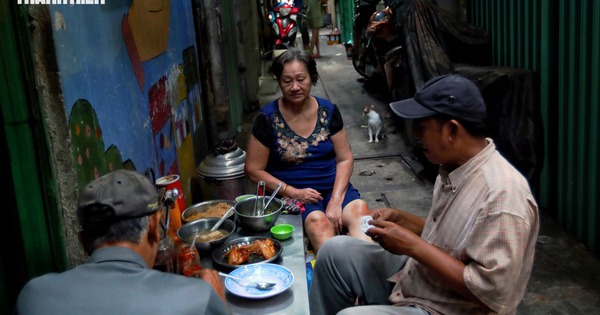
Ho Chi Minh City Plans Redevelopment of Historic Gà and Gạo Markets
Translated from Vietnamese, summarized and contextualized by DistantNews.
At a glance
News
Sources not specified
New plan
- Ho Chi Minh City plans to redevelop the historic Gà and Gạo markets and the surrounding Mả Lạng area.
- The project aims to improve urban infrastructure, living standards, and central land use efficiency.
- Residents express concerns about compensation and resettlement, fearing for their livelihoods after relocation.
Ho Chi Minh City plans to redevelop the historic Gà and Gạo markets, along with the Mả Lạng quadrilateral, into a modern urban area. This initiative, spearheaded by the City People's Committee, targets long-standing residential areas in the city center to improve urban aesthetics, enhance residents' quality of life, and optimize the use of prime central land.
The Gà and Gạo markets, located within the Nguyễn Thái Học – Võ Văn Kiệt – Yersin street boundaries in Bến Thành ward, are traditional markets that have been central to the lives and livelihoods of many generations since before 1975. The area, spanning over 4 hectares, currently faces significant issues with its technical infrastructure, living conditions, and fire safety. Many structures have deteriorated over decades, failing to meet minimum living space standards or modern urban development requirements.
Authorities propose developing the Gà and Gạo market redevelopment project through a build-transfer (BT) contract. This will be financed by state budget funds combined with land allocation. The project is estimated to cost around 3,100 billion Vietnamese dong (approximately $122 million USD), excluding compensation and resettlement expenses. It is expected to affect approximately 238 households and over 220 market stalls.
News of the redevelopment and potential relocation has generated significant interest among residents. While many anticipate improved living environments, concerns linger regarding new housing and future livelihoods. Lê Thị Kim Liễu, a 69-year-old resident, shared her anxieties, stating that her family has lived in the market area for decades. Despite their small home, the bustling commercial environment allowed them to earn a living through small jobs. "If we have to move, I don't know how we will make a living. No one in the family has a stable job, so we really don't know how we will manage," she said, emphasizing that compensation and resettlement policies are their primary concerns.
If we have to move, I don't know how we will make a living. No one in the family has a stable job, so we really don't know how we will manage.
DistantNews Editorial
Originally published by Thanh Niên in Vietnamese. Translated, summarized, and contextualized by our editorial team with added local perspective. Read our editorial standards.
More Stories


From Our Blog

What Gets Lost (and Found) When News Is Translated

The Critical Role of Diaspora Media in Global News

What Travellers Should Know About Countries with Restricted Press

A Digital Nomad's Guide to Following Local News

How the Same Story Looks Different in Different Countries
