


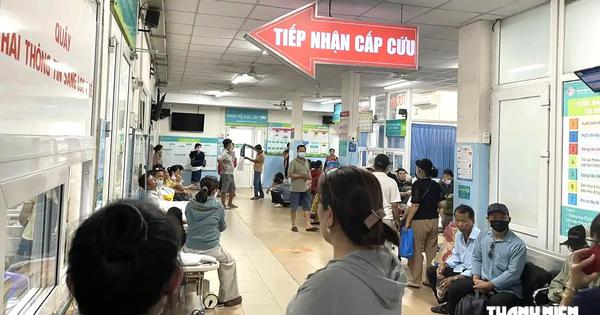
Ho Chi Minh City's Emergency Medical System Hailed as Vietnam's Most Developed
Translated from Vietnamese, summarized and contextualized by DistantNews.
At a glance
News
Named sources
New plan
- Ho Chi Minh City's emergency medical system has been recognized by the Ministry of Health as the most comprehensive in Vietnam.
- The city's 115 Emergency Center handles over 263,000 calls in the first six months of 2026, with 73 satellite stations covering the entire area.
- Recommendations include improving financial mechanisms, standardizing emergency classifications, and updating ambulance standards.
Ho Chi Minh City's emergency medical system has earned national recognition from Vietnam's Ministry of Health, hailed as the country's most developed external emergency response network. The city's 115 Emergency Center operates a multi-tiered, multi-modal model that serves as a blueprint for nationwide expansion.
Ho Chi Minh City is currently the locality with the most comprehensively developed external emergency medical system in the country, with a multi-tiered, multi-center, multi-modal organizational model and much practical experience in implementation.
In the first half of 2026 alone, the center fielded over 263,000 emergency calls. The network has expanded to include 73 satellite stations, ensuring comprehensive coverage across the city and even extending into neighboring Bình Dương and Bà Rịa – Vũng Tàu provinces. In 2025, the system managed over 438,000 calls.
To ensure the system's sustainable growth, the 115 Emergency Center has proposed four key solutions. These include refining financial mechanisms, particularly health insurance payments for emergency services, and developing appropriate service packages. They also called for unified regulations on emergency classification to aid dispatch and protect medical staff, alongside establishing clear standards for ambulances regarding equipment, personnel, and operational scope.
The 115 call center is considered the 'heart' of the external emergency medical system, playing a role in receiving information, guiding first aid over the phone, dispatching ambulances, and connecting resources across the entire network.
Furthermore, the center stressed the need to improve regulations protecting citizens who provide first aid and to encourage community-wide first aid training, including the use of automated external defibrillators (AEDs) in public spaces. The Director of the Ho Chi Minh City Department of Health, PGS-TS Tăng Chí Thượng, urged the Ministry of Health to promptly issue or update guidelines for external emergency medical services, as many practical aspects have evolved without adequate legal backing.
Many aspects in practice have changed, but there is not enough legal basis for implementation.
DistantNews Editorial
Originally published by Thanh Niên in Vietnamese. Translated, summarized, and contextualized by our editorial team with added local perspective. Read our editorial standards.
More Stories

From Our Blog

What Gets Lost (and Found) When News Is Translated

The Critical Role of Diaspora Media in Global News

What Travellers Should Know About Countries with Restricted Press

A Digital Nomad's Guide to Following Local News

How the Same Story Looks Different in Different Countries
