

Ho Chi Minh City to Build Construction Waste Processing Plants
Translated from Vietnamese, summarized and contextualized by DistantNews.
At a glance
News
Sources not specified
New plan
- Ho Chi Minh City is developing a plan to address the significant amount of construction waste generated, which is currently not fully utilized for recycling.
- The city is considering building specialized processing plants for construction waste, with a dedicated project being developed by research institutions and relevant departments.
- Current regulations allow construction waste to be transferred to authorized units for processing or used as landfill material, provided it is not mixed with domestic or hazardous waste.
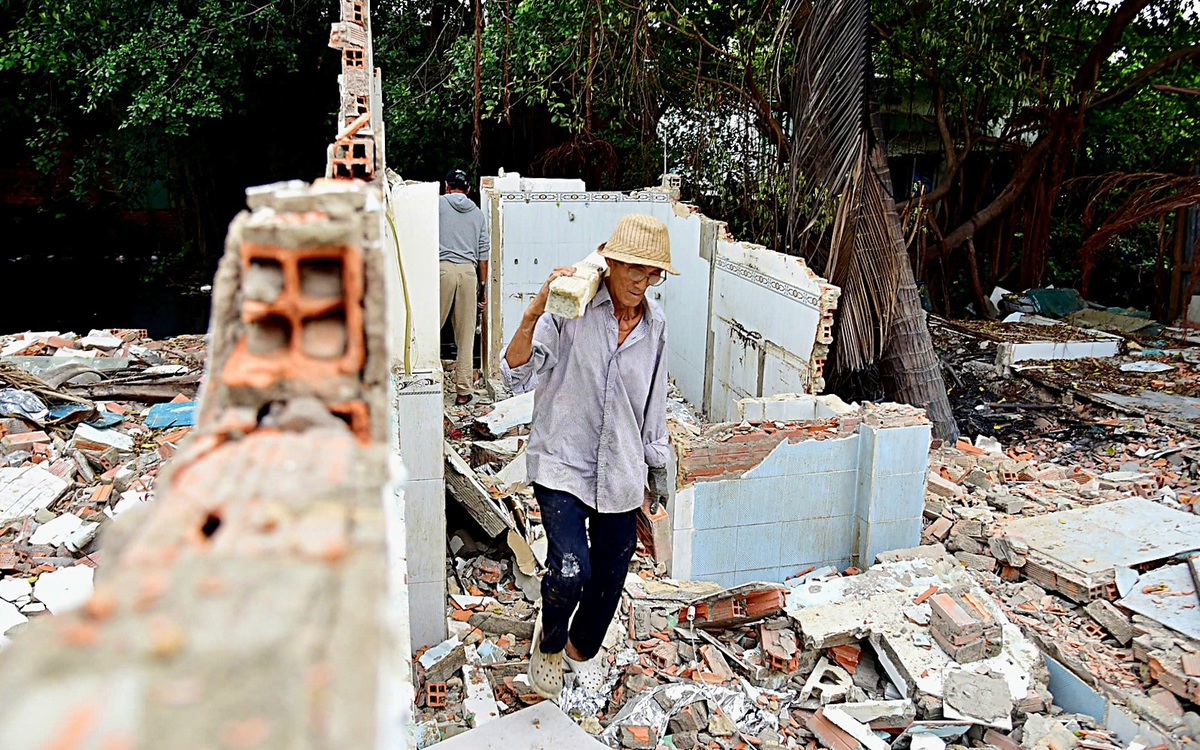
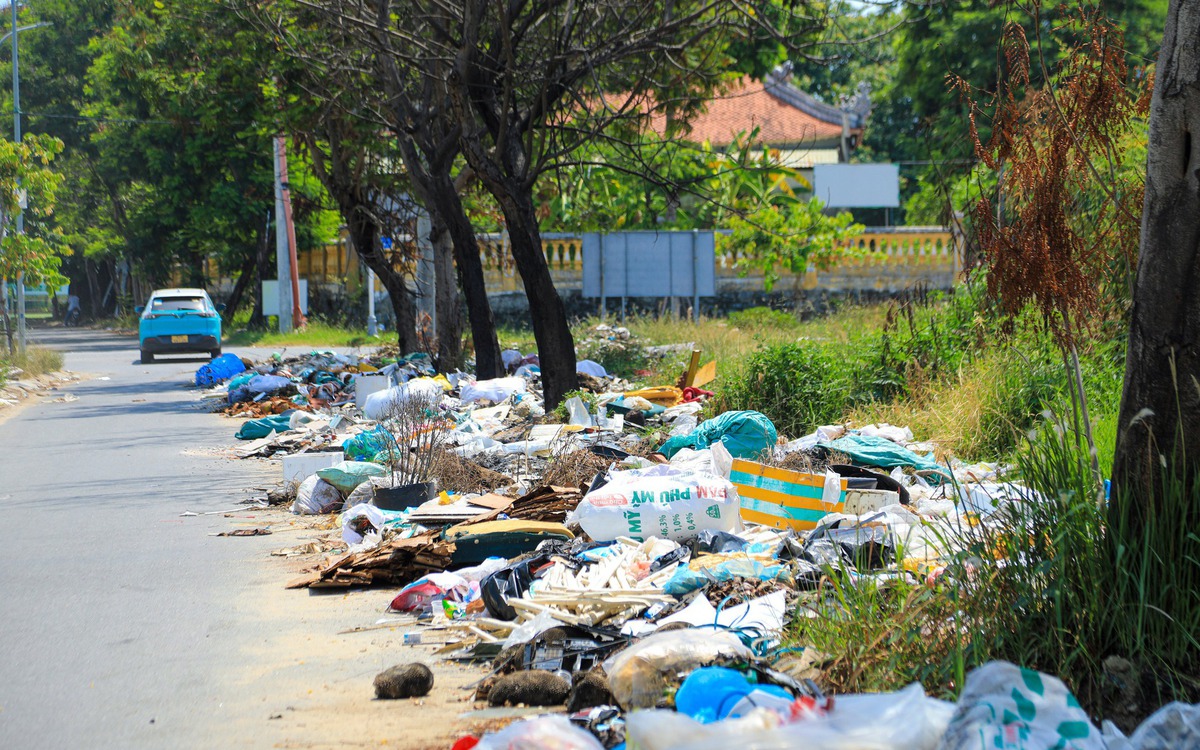
Ho Chi Minh City is set to establish specialized facilities for processing construction waste as part of a new initiative to manage the growing volume of debris. The city currently faces challenges with the disposal and recycling of materials like concrete and rubble, with some instances of illegal dumping occurring.
The city's Department of Agriculture and Environment is overseeing the development of a comprehensive plan for construction waste management. This project, a collaboration between research institutes and the construction industry, aims to create a unified approach for the entire city. Previously, regulations varied between different administrative regions before the merger of certain areas into the current Ho Chi Minh City.
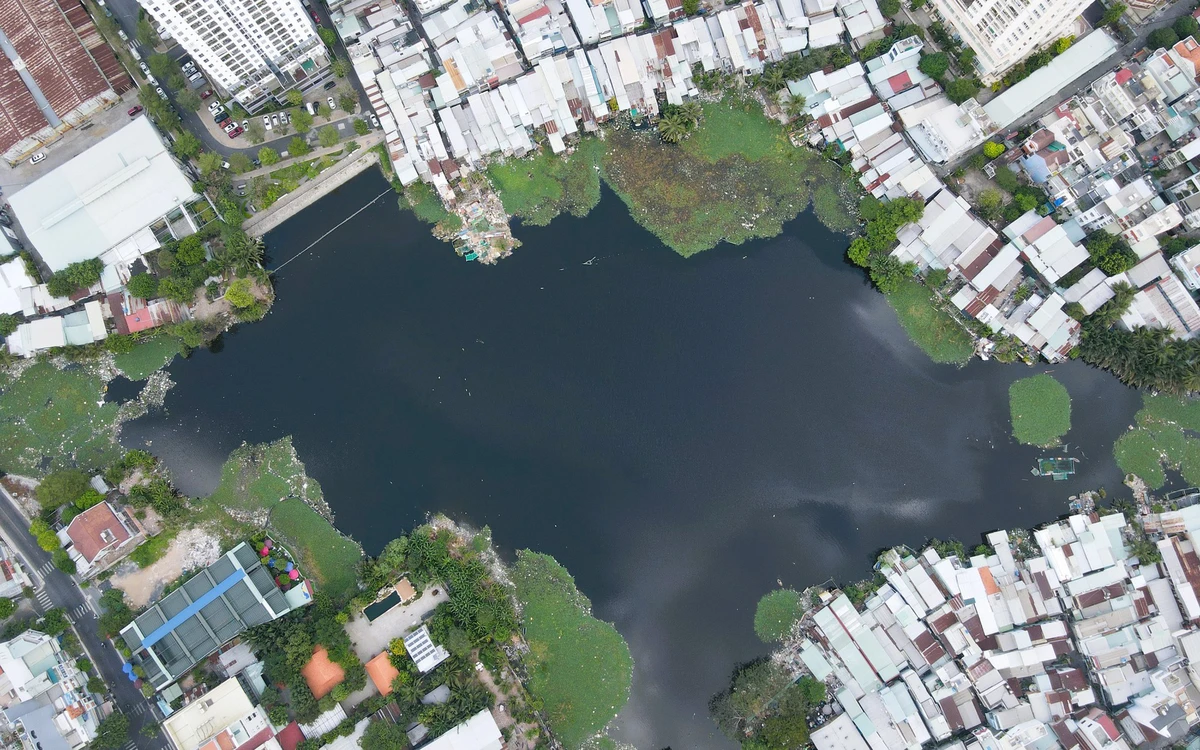
Existing environmental laws permit construction waste to be either processed by licensed entities or utilized for land reclamation. A key requirement is the strict separation of construction debris from household waste and hazardous materials. The plan also addresses sludge from dredging operations, differentiating between that from waterways and urban drainage systems, with specific disposal and potential reuse guidelines for each.
Environmental impact assessments will be mandatory for all projects involving waste disposal, requiring developers to propose and obtain approval for their waste management strategies. If sludge is found to contain hazardous substances, it must be treated accordingly. However, clean sludge is encouraged for use in land filling for infrastructure projects, offering a sustainable solution that conserves resources and reduces landfill burden. The Department of Agriculture and Environment will monitor compliance and enforce penalties for violations.
DistantNews Editorial
Originally published by Tuổi Trẻ in Vietnamese. Translated, summarized, and contextualized by our editorial team with added local perspective. Read our editorial standards.
More Stories
From Our Blog

What Gets Lost (and Found) When News Is Translated

The Critical Role of Diaspora Media in Global News

What Travellers Should Know About Countries with Restricted Press

A Digital Nomad's Guide to Following Local News

How the Same Story Looks Different in Different Countries
