

Ho Chi Minh City to Deploy Hospital Doctors to Local Health Stations to Enhance Primary Care
Translated from Vietnamese, summarized and contextualized by DistantNews.
At a glance
News
Named sources
New plan
- Ho Chi Minh City is implementing a program to send hospital doctors to local health stations to strengthen primary healthcare.
- The initiative aims to create a network connecting hospitals and health stations, ensuring no station operates in isolation.
- This involves regular professional collaboration, remote consultations, and potentially assigning hospital management staff to lead health stations.
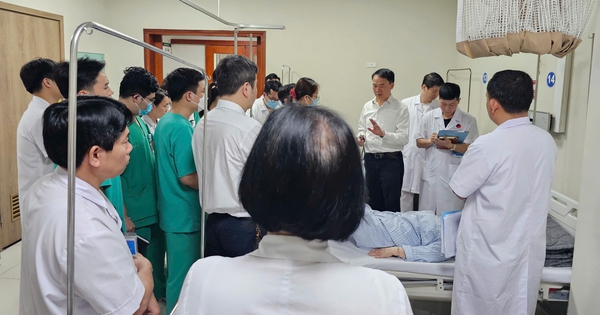
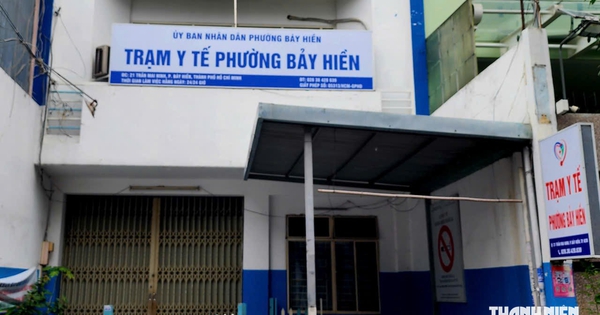
Ho Chi Minh City is set to launch a program that will see hospital doctors rotate through local health stations, aiming to bolster primary healthcare services and foster a closer connection between medical facilities and the community. The initiative, announced by the Department of Health, seeks to address staffing shortages at the grassroots level and establish a robust network for healthcare delivery.
According to Associate Professor Dr. Tang Chi Thuong, the program's core principle is to ensure that no health station operates independently. By providing consistent professional support from hospitals and ensuring adequate operating conditions, these stations can become vital links in a unified healthcare network, capable of caring for residents within their own neighborhoods.
The program outlines three key mechanisms for integration. Firstly, it emphasizes regular professional connections, enabling health station doctors to consult with hospital specialists, seek advice on patient management, and facilitate timely referrals. This approach aims to bring hospital-level expertise directly to the health stations, reducing the need for immediate transfers to higher-level facilities.
The goal is not only to supplement the thiếu nhân lực (lacking personnel) at the grassroots level but, more importantly, to gradually form a regular connection between hospitals and health stations, so that no station has to operate alone when caring for the people.
Secondly, hospital doctors will participate in primary care by rotating to health stations, prioritizing high-demand specialties such as internal medicine, pediatrics, obstetrics, cardiology, endocrinology, and geriatrics. Their role will extend beyond routine consultations to include managing chronic diseases, monitoring elderly patients, providing health screenings, and offering preventive care and on-site training to local staff.
Thirdly, the initiative addresses the administrative side by potentially assigning hospital managers or those in leadership training to serve as directors at health stations that lack qualified leadership or possess limited management capacity. These temporary assignments, lasting three to five years, are intended to provide valuable experience in grassroots healthcare management and operational organization.
Therefore, the fundamental solution to strengthen grassroots healthcare is to ensure that no social or ward health station has to stand alone, but rather to place each station within a unified, connected professional network directly linked to the city's hospitals.
DistantNews Editorial
Originally published by Thanh Niên in Vietnamese. Translated, summarized, and contextualized by our editorial team with added local perspective. Read our editorial standards.
More Stories
From Our Blog

What Gets Lost (and Found) When News Is Translated

The Critical Role of Diaspora Media in Global News

What Travellers Should Know About Countries with Restricted Press

A Digital Nomad's Guide to Following Local News

How the Same Story Looks Different in Different Countries
