

Ho Chi Minh City transfers 3 former government offices to become university campus
Translated from Vietnamese, summarized and contextualized by DistantNews.
At a glance
News
Official statement
New plan
- Ho Chi Minh City authorities have approved the transfer of three former government office buildings to Thủ Dầu Một University.
- The buildings will be repurposed to expand the university's facilities and accommodate its growing student population.
- The university aims to become a high-quality, application-oriented institution recognized regionally and internationally.
Ho Chi Minh City's People's Committee has approved the handover of three former government office buildings to Thủ Dầu Một University (TDMU). The decision aims to expand the university's campus and enhance its educational capacity.
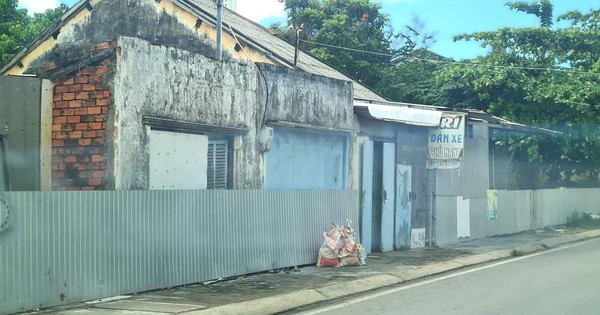
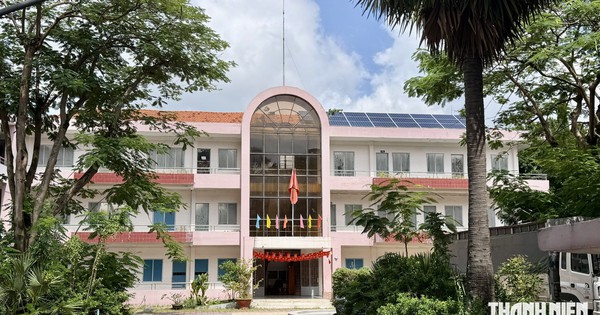
The repurposed sites include the former headquarters of the Department of Education and Training, the Center for Cinema and Culture, and the Department of Agriculture and Rural Development. These locations, totaling approximately 2.76 hectares, will be integrated into the university's existing infrastructure, which already houses over 23,000 students across 54 majors.
Thủ Dầu Một University, a public, multidisciplinary institution, has ambitious development goals. By 2030, it aims to be a leading application-oriented educational institution, meeting regional standards like AUN-QA and international benchmarks such as QS-Stars. Looking further ahead to 2050, the university aspires to rank among Asia's top 300 universities, contributing significantly to the high-skilled workforce needed for the socio-economic development of the Southeast region.
The university's history traces back to 1976 with the establishment of teacher training facilities in Bình Dương Province (formerly Sông Bé Province) after the country's reunification. It evolved through various stages, including becoming the Sông Bé Provincial Teacher Training College and later Bình Dương College of Education, before its official upgrade to Thủ Dầu Một University on June 24, 2009. This transformation marked a new era focused on cultivating high-level human resources and advancing scientific research.
DistantNews Editorial
Originally published by Thanh Niên in Vietnamese. Translated, summarized, and contextualized by our editorial team with added local perspective. Read our editorial standards.
More Stories

From Our Blog

What Gets Lost (and Found) When News Is Translated

The Critical Role of Diaspora Media in Global News

What Travellers Should Know About Countries with Restricted Press

A Digital Nomad's Guide to Following Local News

How the Same Story Looks Different in Different Countries
