


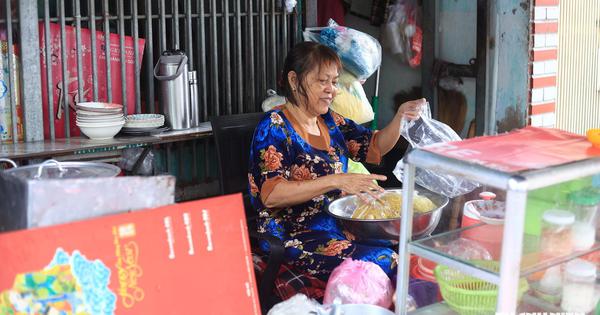
Ho Chi Minh City undertakes major canal renovation for long-term stability
Translated from Vietnamese, summarized and contextualized by DistantNews.
At a glance
News
Named sources
New plan
- Ho Chi Minh City is undertaking a major renovation of the Xuyen Tam canal area.
- The project prioritizes fair compensation and resettlement for residents.
- Authorities are working to ensure long-term stability for displaced populations.
Ho Chi Minh City is embarking on a significant project to renovate the Xuyen Tam canal, aiming to improve living conditions and ensure long-term stability for residents in the affected areas. The initiative involves the relocation of numerous households living along the canal.
The plan must ensure 3 requirements: compliance with regulations; openness, transparency, and ease of verification; and relevance to the actual circumstances of each household.
Phan Quang Khanh, Chairman of the Binh Thanh People's Committee, shared insights into the compensation and support measures. He emphasized that the plan must be compliant with regulations, transparent, and tailored to the specific circumstances of each household. The process involves meticulous review of property ownership, land use history, and compensation for assets, with parallel efforts to address housing, resettlement, and relocation issues.
In terms of resettlement, the ward does not approach it with the mindset that 'every case of clearance automatically gets a slot,' but rather implements the law correctly and ensures that every eligible household has a clear plan for a new place to live.
For residents whose properties were built on encroached canal land, Binh Thanh district is adopting a nuanced approach. Instead of a one-size-fits-all policy, cases are classified based on origin, usage period, and stability. The committee actively collaborates with residents to find solutions for stabilizing their lives, supplementing state policies with additional support from social resources for particularly vulnerable cases.
The completion of land handover for the project is primarily due to the sharing of the people. Behind the progress of a construction site is the great sacrifice, relocation, and companionship of hundreds of households.
Dr. Pham Viet Thuan, Director of the Institute for Environmental and Economic Resources of Ho Chi Minh City, noted the challenges posed by the high number of unauthorized structures. He proposed a three-tiered policy approach to accommodate different groups: those with official documentation, those with temporary registration, and those without any paperwork. Thuan stressed that resettlement should not only provide new housing but also ensure long-term livelihood stability, ideally in locations close to the original communities to minimize disruption to work and education.
If there is no specific mechanism, it is very difficult to create consensus during the relocation process.
DistantNews Editorial
Originally published by Thanh Niên in Vietnamese. Translated, summarized, and contextualized by our editorial team with added local perspective. Read our editorial standards.
More Stories


From Our Blog

What Gets Lost (and Found) When News Is Translated

The Critical Role of Diaspora Media in Global News

What Travellers Should Know About Countries with Restricted Press

A Digital Nomad's Guide to Following Local News

How the Same Story Looks Different in Different Countries
