


Homes Ready for Heat: How Smart Technology Helps Survive Hot Summers
Translated from Polish, summarized and contextualized by DistantNews.
At a glance
In-depth
Documents & data
Context piece
- Many Polish homes are unprepared for heatwaves, with 31% of residents finding them unsuitable for high temperatures.
- While fans are the most common cooling method (70%), air conditioning is less prevalent (26%), and external sun protection is used by only 21% of Poles.
- Smart home technology, particularly automated external sunshades, can significantly reduce indoor temperatures and decrease reliance on air conditioning.
As heatwaves intensify, a significant portion of Polish homes remain ill-equipped to handle rising temperatures, with 31% of residents reporting their dwellings are not prepared for prolonged heat. The primary coping mechanisms currently employed are fans, utilized by 70% of respondents, while only 26% have air conditioning and a mere 21% use external sun protection systems.
The scale of the challenge is high. Many homes and apartments are not adapted to long periods of high temperatures.
This reliance on basic measures like ventilation, internal window coverings, and reactive cooling highlights a common challenge: buildings often absorb heat faster than they can dissipate it. Experts emphasize that an effective cooling strategy should focus on preventing heat buildup rather than solely combating its effects once inside.
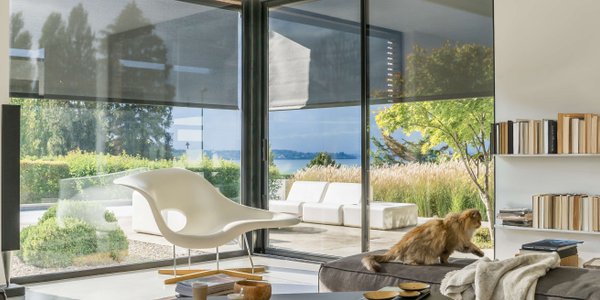
Automated external sunshades, such as roller shutters, facade blinds, and screens, are presented as a crucial solution. These systems block solar radiation before it enters the building, acting as a primary defense against overheating, especially for south and west-facing windows. Automation allows these shades to respond dynamically to sunlight and temperature, even when residents are absent, eliminating the need for manual adjustments.
Passive cooling supported by technology – Recent temperature records in Poland show that we should seriously talk not only about how to cool buildings, but also how to do it smartly and efficiently. Therefore, solutions that reduce the need for intensive cooling and relieve air conditioning systems will become increasingly important.
Studies suggest that automated external shades can lower indoor temperatures by 4–7°C and reduce air conditioning usage by up to 70%. This indicates that smart home technology offers more than just convenience; it can enhance a building's energy efficiency and maintain thermal comfort with reduced energy consumption. As Poland experiences record temperatures, the conversation is shifting towards intelligent and efficient cooling methods that minimize the need for energy-intensive air conditioning, aligning with a growing demand for sustainable and comfortable living environments.
63 percent of Poles admit that heat worsens their well-being, and 69 percent fear rising energy costs.
DistantNews Editorial
Originally published by Rzeczpospolita in Polish. Translated, summarized, and contextualized by our editorial team with added local perspective. Read our editorial standards.
More Stories


From Our Blog

What Gets Lost (and Found) When News Is Translated

The Critical Role of Diaspora Media in Global News

What Travellers Should Know About Countries with Restricted Press

A Digital Nomad's Guide to Following Local News

How the Same Story Looks Different in Different Countries
