


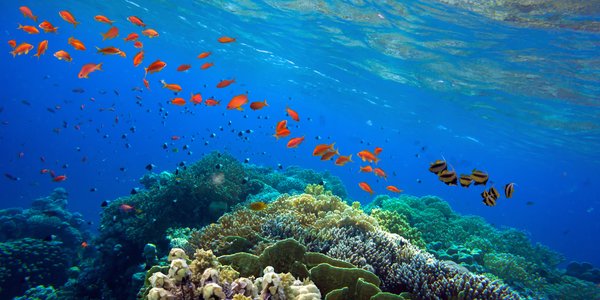
Hope for coral reefs: Scientists find 166,000 sq km resilient to climate change
Translated from Polish, summarized and contextualized by DistantNews.
At a glance
News
Named sources
Context piece
- Scientists have identified nearly 166,000 square kilometers of coral reefs capable of surviving climate change, three times more than previously estimated.
- These resilient reefs are found across 71 countries and 100 territories, offering hope for marine biodiversity.
- Currently, only 28% of these vital reefs are protected, highlighting an urgent need for political will and conservation efforts.
Coral reefs, often called the "rainforests of the oceans," support about one-third of all marine species and sustain roughly a billion people. However, record ocean temperatures and other climate change impacts, such as pollution and frequent bleaching events, have led to widespread coral death.
Despite the dire situation, a new study offers a glimmer of hope. Researchers have identified nearly 166,000 square kilometers of coral reefs with the potential to survive and recover under climate change conditions. This area is three times larger than previously estimated, suggesting that not all reefs are equally threatened.
The analysis, which reviewed 45,000 studies and long-term climate and ocean data, pinpointed climate-resilient reefs in 71 countries and 100 territories. Notably, some of these resilient areas, including parts of the Caribbean and the Pacific and Atlantic Oceans, were not previously recognized for their resistance.
Coral reefs are often presented as ecosystems that cannot be saved. This study shows the opposite. We know where the hope is, and now we need the political will.
Emily Darling, a coral conservation director at the Wildlife Conservation Society and a co-author of the study, emphasized that these findings shift the perspective on coral reef futures. "Coral reefs are often presented as ecosystems that cannot be saved," she stated. "This study shows the opposite. We know where the hope is, and now we need the political will."
Darling believes the new data can guide governments in planning conservation actions, especially as nations work towards the "30 by 30" goal of protecting 30% of their land and marine areas by the end of the decade. Currently, only 28% of the identified resilient reefs are within protected areas, presenting both a significant opportunity and an urgent call to action, particularly with the looming threat of a strong El Niño.
Only 28 percent of these reefs are currently in protected and conserved areas, so the opportunity is obvious, as is the urgency, especially as we face an upcoming super El Niño.
DistantNews Editorial
Originally published by Rzeczpospolita in Polish. Translated, summarized, and contextualized by our editorial team with added local perspective. Read our editorial standards.
More Stories

From Our Blog

What Gets Lost (and Found) When News Is Translated

The Critical Role of Diaspora Media in Global News

What Travellers Should Know About Countries with Restricted Press

A Digital Nomad's Guide to Following Local News

How the Same Story Looks Different in Different Countries
