


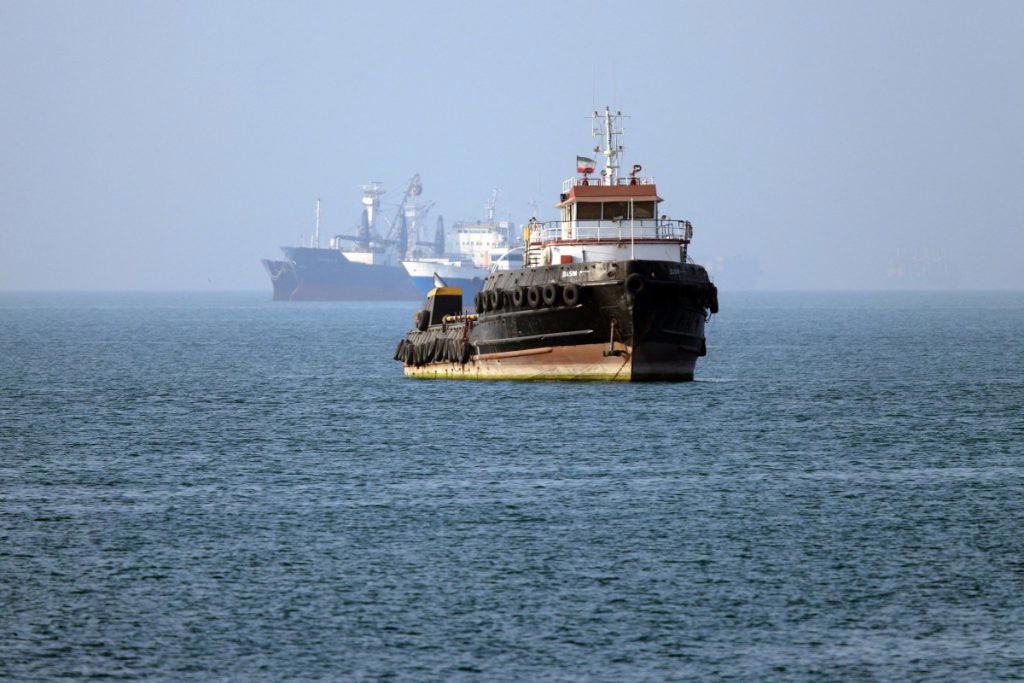
Hormuz traffic drops after Saturday strike on vessel
Summarized and contextualized by DistantNews.
At a glance
News
Documents & data
Context piece
- Maritime traffic in the Strait of Hormuz decreased significantly over the weekend following a vessel strike.
- Data shows a sharp decline in crossings on Sunday compared to the previous week's peak.
- Iran and the US are discussing managing the strait, with Washington opposing transit fees.
Traffic through the vital Strait of Hormuz slowed considerably over the weekend after a vessel was struck while transiting the waterway on Saturday. This incident occurred amid a fresh exchange of strikes between the United States and Iran, which had previously strained a preliminary deal to end their conflict.
Maritime tracking firm Kpler reported that only 12 commodity vessels transited the strait on Sunday. This marks a sharp decline from the previous week, when a memorandum of understanding between Tehran and Washington had boosted traffic to its highest level since the start of the Middle East war, with 70 crossings recorded on Wednesday.
Despite Iran's warnings against using unapproved shipping lanes, vessels continued to use various routes. After Saturday's strike, ships utilized a southern corridor through Omani waters for several hours before traffic appeared to decrease, according to MarineTraffic. The website tracks vessels with active transponders, suggesting more ships may have passed undetected.
More vessels entered the Gulf over the weekend than departed, reversing a prior trend. This comes as a UN-led operation to evacuate seafarers was suspended after a vessel was struck in the Gulf of Oman. Iran announced Monday it held its first meeting with Oman to discuss managing the strait, while the U.S. maintains it will not accept transit fees for the international waterway.
DistantNews Editorial
Originally published by Vanguard. Summarized and contextualized by our editorial team with added local perspective. Read our editorial standards.
More Stories



From Our Blog

How the Same Story Looks Different in Different Countries

What Gets Lost (and Found) When News Is Translated

The Critical Role of Diaspora Media in Global News

What Travellers Should Know About Countries with Restricted Press

A Digital Nomad's Guide to Following Local News
