


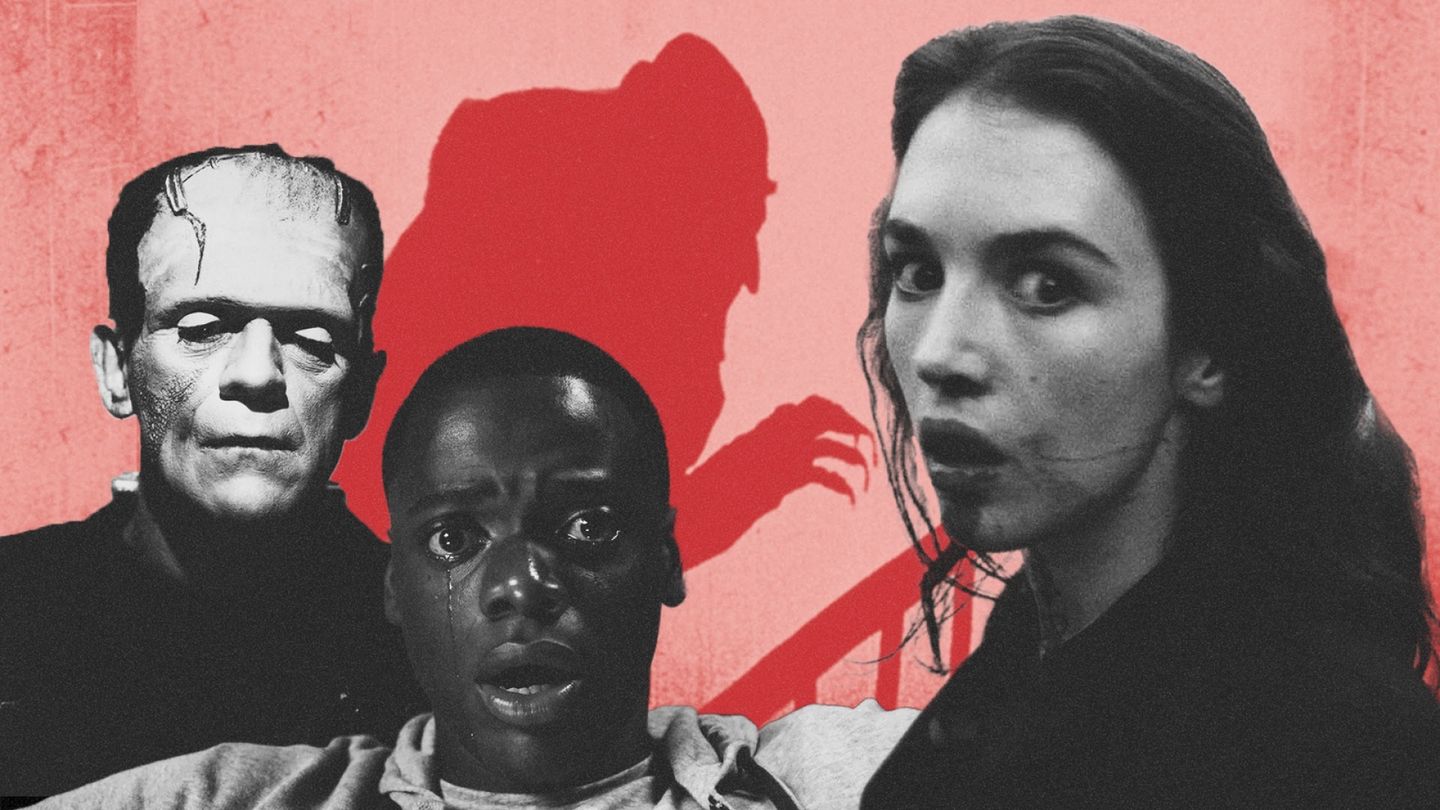
Horror films are experiencing a comeback, and it's not just about jump scares
Translated from Finnish, summarized and contextualized by DistantNews.
At a glance
In-depth
Sources not specified
Context piece
- Two recent horror films have drawn large audiences, signaling a resurgence in the genre.
- These films explore contemporary fears, moving beyond simple jump scares to engage with deeper anxieties.
- The article uses examples like "Get Out" and "Possession" to illustrate how horror cinema reflects societal concerns.
Horror cinema is experiencing a notable resurgence, with two recent films attracting full houses and drawing audiences back to the genre. This revival suggests a growing appetite for films that not only scare but also resonate with contemporary anxieties, moving beyond superficial frights.
These new horror offerings delve into more complex themes, reflecting the fears of the 2020s. Rather than relying solely on jump scares, they engage viewers by exploring deeper psychological and societal concerns. This approach allows the genre to connect with audiences on a more profound level, making the fear feel more relevant and impactful.
The article points to examples like "Get Out" (2017), where Daniel Kaluuya plays a boyfriend caught in a terrifying situation, and "Possession" (1981), featuring Isabella Adjani as a woman consumed by a demonic entity. These films, alongside classics like Boris Karloff's "Frankenstein" (1931), illustrate horror's capacity to tap into universal and evolving human fears, demonstrating its enduring power as a cinematic medium.
DistantNews Editorial
Originally published by Helsingin Sanomat in Finnish. Translated, summarized, and contextualized by our editorial team with added local perspective. Read our editorial standards.
More Stories



From Our Blog

What Gets Lost (and Found) When News Is Translated

The Critical Role of Diaspora Media in Global News

What Travellers Should Know About Countries with Restricted Press

A Digital Nomad's Guide to Following Local News

How the Same Story Looks Different in Different Countries
