

Houthi rebels kill 58 Yemeni soldiers in escalating attacks
Translated from German, summarized and contextualized by DistantNews.
At a glance
News
Named sources
Ongoing story
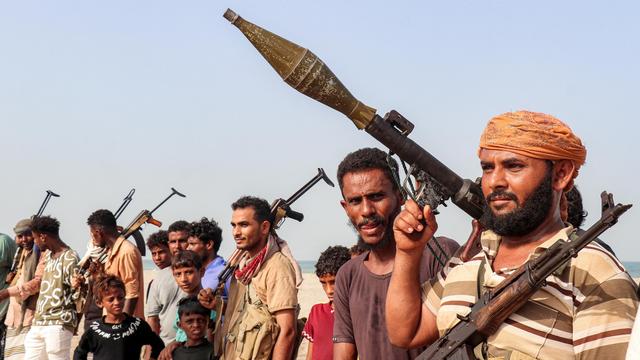
- Houthi rebels launched drone and rocket attacks on Yemeni government military camps in Marib and Hadramaut provinces, killing at least 58 soldiers.
- The attacks mark a significant escalation following the collapse of a UN-brokered ceasefire and represent the most severe violence since April 2022.
- The Yemeni military confirmed the attacks and casualties, vowing to respond, while the Houthis stated the strikes targeted Saudi-backed forces.
At least 58 Yemeni soldiers were killed and numerous others injured in coordinated drone and rocket assaults by Houthi rebels targeting government military camps in the Marib and Hadramaut provinces. The Yemeni army confirmed the attacks, describing them as significant blows to their forces and vowing an appropriate response to the "aggression."
These assaults represent a sharp escalation in the conflict, occurring after the de facto collapse of a UN-brokered ceasefire in April 2022. Military officials stated these were the most devastating attacks since that truce, indicating a breakdown in efforts to quell the long-standing civil war.
The armed forces would respond to this 'aggression at the appropriate time and place'.
The Houthi movement, which controls the capital Sanaa and much of the north, claimed responsibility for the strikes, asserting they targeted forces supported by Saudi Arabia. The rebels indicated that ballistic missiles and drones were employed in the operation.
This latest wave of violence follows a mid-July incident where Yemeni government forces attacked the runway of Sanaa airport after an Iranian plane attempted to land. This event triggered retaliatory strikes between the Houthis and Saudi Arabia, with the Houthis also announcing a blockade on Saudi ports and reporting attacks on oil tankers.
The attacks targeted Saudi-Arabia-backed troops.
DistantNews Editorial
Originally published by Die Zeit in German. Translated, summarized, and contextualized by our editorial team with added local perspective. Read our editorial standards.
More Stories


From Our Blog

What Gets Lost (and Found) When News Is Translated

How the Same Story Looks Different in Different Countries

The Critical Role of Diaspora Media in Global News

What Travellers Should Know About Countries with Restricted Press

A Digital Nomad's Guide to Following Local News
