


How Africa is becoming a ‘strategic hub’ for Chinese industrial expansion
Summarized and contextualized by DistantNews.
At a glance
In-depth
Named sources
Context piece
- African nations are shifting from exporting raw materials to enforcing local processing of minerals, forcing international firms to invest in domestic processing plants.
- Countries like Zimbabwe, Namibia, Mozambique, Ghana, and Guinea are banning raw material exports to promote domestic industrial expansion.
- China is increasingly viewing Africa as a strategic hub for industrial growth, urbanization, and consumer expansion, leading to significant investments in local transformation of resources.
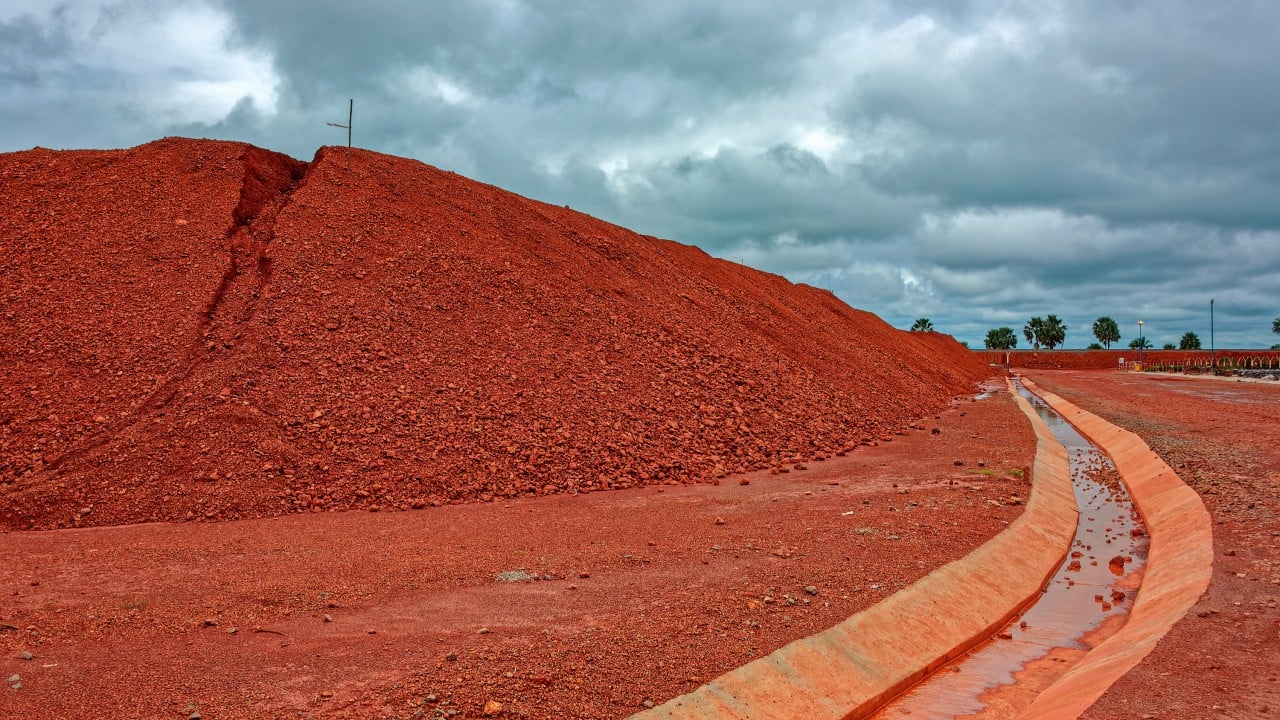
For decades, many resource-rich African nations operated under a "pit-to-ship" model, where raw ore was extracted and exported with minimal benefit to the producing countries. This paradigm is rapidly changing as nations like Zimbabwe, Namibia, Mozambique, Ghana, and Guinea implement policies that ban the export of unprocessed raw materials. These measures compel international mining firms, including those from China, to establish and invest billions of dollars in domestic processing plants.
China increasingly sees Africa as one of the few remaining large-scale spaces where industrial expansion, urbanisation, infrastructure deployment and consumer growth can still unfold simultaneously over decades.
Instead of simply shipping ore abroad, Chinese companies are now building local facilities to transform resources such as Zimbabwean lithium into battery-grade sulphate or carbonate forms, Guinean bauxite into alumina, and Mozambican graphite into advanced battery materials. This shift signifies a move towards greater value addition within Africa, fostering industrial development and creating new economic opportunities.
The continent was becoming less a peripheral supplier and more a strategic hub between fractured economic blocs, with Chinese firms more likely to localise where governments ensured policy clarity, reliable energy, domestic demand and regional scale.
Carlos Lopes, a professor at the University of Cape Town’s Nelson Mandela School of Public Governance, observes that China increasingly views Africa as a vital space for simultaneous long-term expansion in industrialization, urbanization, infrastructure, and consumer growth. The continent is transitioning from a peripheral supplier role to a more central position as a strategic hub connecting fractured global economic blocs. Chinese firms are more inclined to localize their operations when African governments ensure policy clarity, reliable energy, and demonstrate domestic demand and regional market potential.
Bans on unprocessed exports will not necessarily deter investment.
Lopes cautions, however, that the success of these policies hinges on the negotiating discipline and institutional coherence of African states. Without these, export bans could inadvertently fuel smuggling, policy instability, and rent-seeking by elites, rather than fostering genuine industrial development. Nevertheless, he suggests that bans on unprocessed exports, when implemented effectively, can lead to higher quality investments by compelling longer-term commitments from foreign firms.
However, these policies were only successful when states possessed negotiating discipline and institutional coherence, Lopes warned – otherwise, bans risked becoming blunt instruments that fuelled smuggling, policy volatility and elite rent-seeking.
DistantNews Editorial
Originally published by South China Morning Post. Summarized and contextualized by our editorial team with added local perspective. Read our editorial standards.
More Stories

From Our Blog

Countries Without a Free Press: What You Need to Know

What Press Freedom Means for the News You Read

What Gets Lost (and Found) When News Is Translated

The Critical Role of Diaspora Media in Global News

What Travellers Should Know About Countries with Restricted Press
