


How an Adriatic Wave Opened a New Chapter in World Science
Translated from Croatian, summarized and contextualized by DistantNews.
At a glance
In-depth
Sources not specified
Context piece
- A rare meteorological phenomenon, a meteotsunami, struck the Croatian island of Korčula in 1978, causing significant damage.
- Scientists initially struggled to explain the event, but later identified it as a meteotsunami, a wave amplified by resonance between the atmosphere and the sea.
- The ability of media to now easily identify such events in the Adriatic signifies a triumph for scientific research and public information.
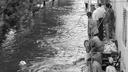
Nearly half a century ago, on a summer morning in 1978, a powerful natural event struck Vela Luka on the island of Korčula in Croatia. For three hours, the sea surged and receded, flooding coastal homes and leaving boats stranded on the seabed. The waves reached about six meters high with a fifteen-minute oscillation period, causing damage that threatened the island's entire annual budget.
At first, the cause was unclear. Without strong winds or other obvious triggers, explanations ranged from a tsunami, caused by subterranean forces, to atmospheric effects on the sea. However, a scientist's interpretation, developed two years after the event and later refined with colleagues, prevailed. They demonstrated that the phenomenon was a sea wave, a meteotsunami, that amplified itself twice through resonance: first when energy transferred from the atmosphere to the open sea, and again when it moved from the open sea to the coast.
This year, several similar waves have been observed in the Adriatic. Media outlets have readily identified them as meteotsunamis, a stark contrast to the confusion scientists faced decades ago. The author views this widespread recognition as a victory for all scientists who have studied Adriatic meteotsunamis and for those who have informed the public about this research.
DistantNews Editorial
Originally published by Večernji List in Croatian. Translated, summarized, and contextualized by our editorial team with added local perspective. Read our editorial standards.
More Stories


From Our Blog

What Gets Lost (and Found) When News Is Translated

The Critical Role of Diaspora Media in Global News

What Travellers Should Know About Countries with Restricted Press

A Digital Nomad's Guide to Following Local News

How the Same Story Looks Different in Different Countries
