

How Beijing’s islands of control are reshaping the South China Sea
Summarized and contextualized by DistantNews.
At a glance
In-depth
Named sources
Context piece
- A decade after rejecting an international arbitration ruling, China continues to assert control over South China Sea islands.
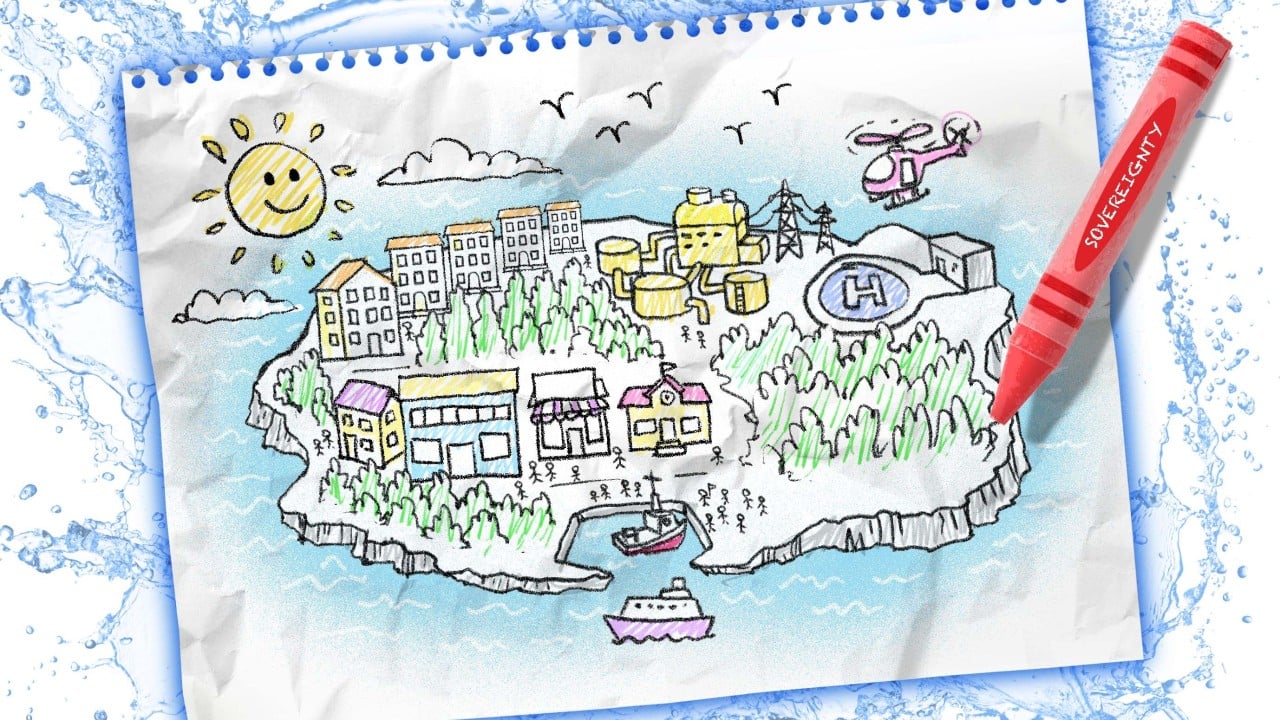
- Tree Island, also known as Zhaoshu in China and Dao Cay in Vietnam, now features extensive modern infrastructure, including housing, government offices, and recreational facilities.
- The island hosts amenities such as supermarkets, a helicopter pad, a wastewater plant, power stations, and a prison, demonstrating significant development.
A decade after Beijing rejected a ruling by The Hague's Permanent Court of Arbitration regarding its South China Sea claims, China has significantly reshaped the geopolitical landscape of the region. Rival nations continue to engage in strategic maneuvers for control, while China has intensified its efforts to solidify its presence on disputed islands.
On Tree Island, known as Zhaoshu in China and Dao Cay in Vietnam, a striking transformation is evident. What was once a contested outcrop now hosts a sprawling array of modern infrastructure. This includes gardens, two-story houses, and air-conditioned government offices dedicated to administering the island and its surrounding areas. The development signifies a clear assertion of Chinese sovereignty and administrative control.
Visitors to Tree Island are greeted by clean, well-paved roads and electric sightseeing buggies offering brief tours. The island's amenities extend to supermarkets, a helicopter pad, a wastewater treatment plant, power stations, and even a prison. An island guide noted that the island is "90 per cent covered in vegetation," highlighting a blend of natural landscape and extensive human-made facilities. Among the visitors were schoolchildren and a retired teacher, underscoring the island's dual role as a strategic outpost and a destination for tourism.
The development on Tree Island exemplifies China's strategy of establishing "islands of control" in the South China Sea. This approach involves building significant infrastructure and civilian presence to bolster its territorial claims, often in defiance of international law and the rulings of international bodies like the Permanent Court of Arbitration. The widening gap between international legal pronouncements and the geopolitical realities on the water underscores the ongoing tensions and complex territorial disputes in the region.
The island is 90 per cent covered in vegetation.
DistantNews Editorial
Originally published by South China Morning Post. Summarized and contextualized by our editorial team with added local perspective. Read our editorial standards.
More Stories

From Our Blog

Countries Without a Free Press: What You Need to Know

What Press Freedom Means for the News You Read

What Gets Lost (and Found) When News Is Translated

The Critical Role of Diaspora Media in Global News

What Travellers Should Know About Countries with Restricted Press
