

How China got caught in the crossfire of a US bacon fight
Summarized and contextualized by DistantNews.
At a glance
News
Sources not specified
Outcome reported
- Political advertisements in the US are linking China and bacon, framing a farm bill provision as a giveaway to Chinese corporations.
- Opponents of the "Save Our Bacon Act" accuse a Republican-backed measure of prioritizing a Chinese-owned pork giant over American farmers.
- The controversy highlights the intersection of animal welfare, agricultural regulation, and the increasing use of China as a political issue in the US.
Political advertisements airing in the US this summer have unexpectedly linked China and bacon, framing a specific farm bill provision as a detrimental giveaway to Chinese corporations. One advertisement declared, "The corrupt Save Our Bacon scam in the farm bill – it’s a giveaway to Chinese corporations," accompanied by images of the Chinese flag and President Xi Jinping, questioning viewers, "Whose side is your senator on? America or China?"
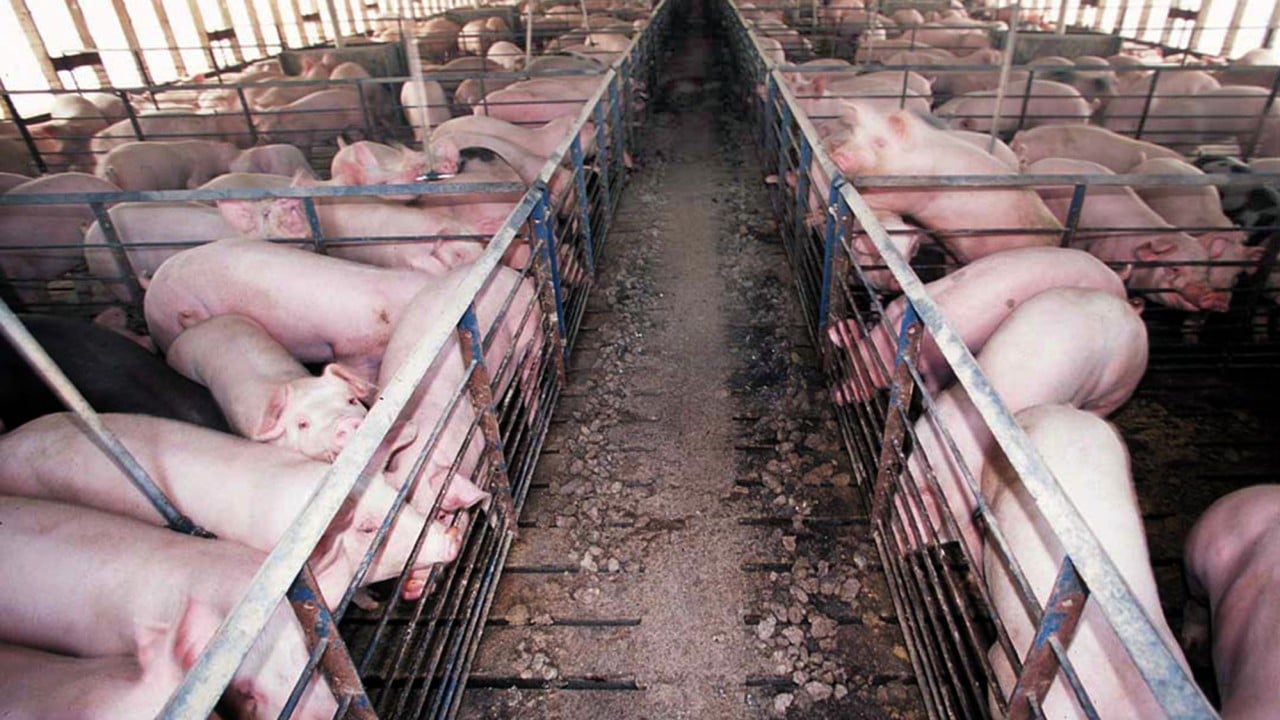
While viewers might assume these ads are part of a typical Republican effort to counter Beijing, the reality is more complex. The aggressive campaign against the "Save Our Bacon Act" stems from a dispute over pig housing practices. This situation exemplifies how China is being weaponized in US domestic politics, creating an unexpected collision between animal welfare concerns, agricultural regulations, and America's growing political anxiety surrounding China.
Opponents of the bill accuse a measure backed by Republicans of prioritizing a Chinese-owned pork giant over the interests of American farmers. The controversy underscores the intricate interplay of various issues, including ethical treatment of animals and the regulatory landscape of agriculture, all amplified by the current geopolitical climate and domestic political strategies.
The corrupt Save Our Bacon scam in the farm bill – it’s a giveaway to Chinese corporations. Whose side is your senator on? America or China?
DistantNews Editorial
Originally published by South China Morning Post. Summarized and contextualized by our editorial team with added local perspective. Read our editorial standards.
More Stories

From Our Blog

Countries Without a Free Press: What You Need to Know

What Press Freedom Means for the News You Read

What Gets Lost (and Found) When News Is Translated

The Critical Role of Diaspora Media in Global News

What Travellers Should Know About Countries with Restricted Press
