


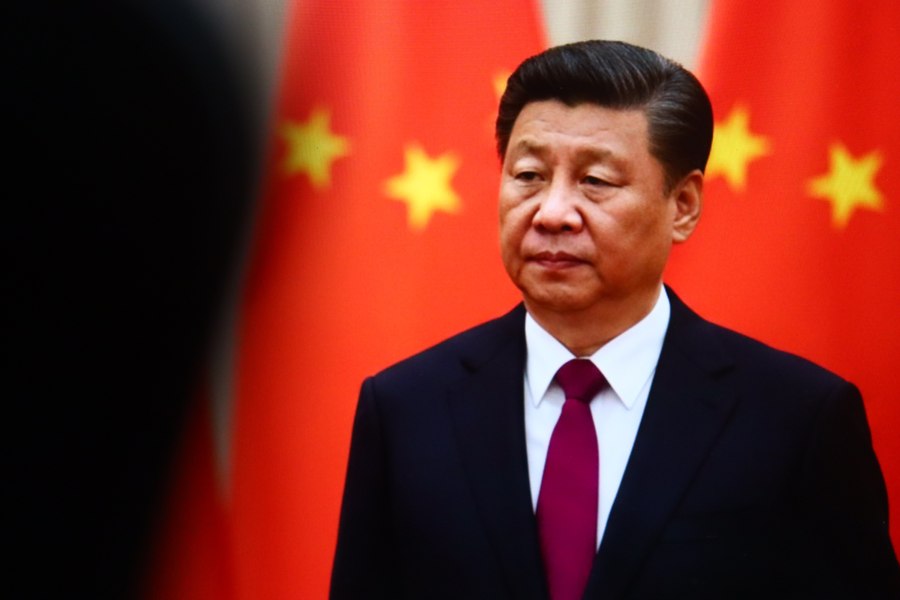
How China profits from global chaos as Xi Jinping consolidates power
Translated from Romanian, summarized and contextualized by DistantNews.
At a glance
Analysis
Named sources
Context piece
- China's Xi Jinping is consolidating power and expanding global ambitions while the world's attention is diverted by conflicts in Ukraine, Gaza, and the Middle East.
- Critics accuse Xi's policies of forced assimilation, particularly targeting ethnic and religious minorities, which some describe as "ethnic cleansing under another name."
- Western governments and human rights organizations have condemned China's actions, but international attention remains limited due to ongoing global crises.
While global attention remains fixed on conflicts in Ukraine, Gaza, and the Middle East, Chinese President Xi Jinping is strategically consolidating his power domestically and advancing his global ambitions. This period of international distraction allows Beijing to pursue an increasingly assertive policy both at home and abroad, a move that analysts warn is detrimental to the global order and China's own minorities.
Xi's government is implementing policies aimed at strengthening national identity and integration, framed as "sinicization." A new law on "ethnic unity" promotes the mandatory use of Mandarin Chinese, which Xi claims will improve opportunities for minorities. He uses the metaphor of minorities needing to "hug each other tightly like the seeds of a pomegranate" to build a strong, unified China. However, this approach is met with strong opposition from communities like the Tibetans, Mongols, and Uyghurs, who view it as forced assimilation into a conformist Han-dominated monoculture.
hug each other tightly like the seeds of a pomegranate
Critics, including foreign policy analyst Simon Tisdall, describe these policies as "ethnic cleansing under another name." The government's actions are seen as suppressing distinct languages, traditions, and identities. The repression in Tibet and the "re-education" camps in Xinjiang are cited as examples of Xi's intensifying campaign against dissent, difference, and diversity. While Western governments have offered muted criticism and human rights groups like Amnesty International have voiced stronger condemnation, the international response has been limited.
The death of Lobga Rangzen, a Tibetan activist who self-immolated in protest outside the UN headquarters in New York, briefly drew international attention. However, such incidents are not new, and the ongoing crackdown continues. The new law, with its severe penalties, even extending to Chinese citizens abroad, provides a legal framework for these assimilationist policies, further entrenching Xi's control and expanding China's influence amidst global turmoil.
ethnic cleansing under another name
DistantNews Editorial
Originally published by Adevărul in Romanian. Translated, summarized, and contextualized by our editorial team with added local perspective. Read our editorial standards.
More Stories

From Our Blog

What Gets Lost (and Found) When News Is Translated

The Critical Role of Diaspora Media in Global News

What Travellers Should Know About Countries with Restricted Press

A Digital Nomad's Guide to Following Local News

How the Same Story Looks Different in Different Countries
