


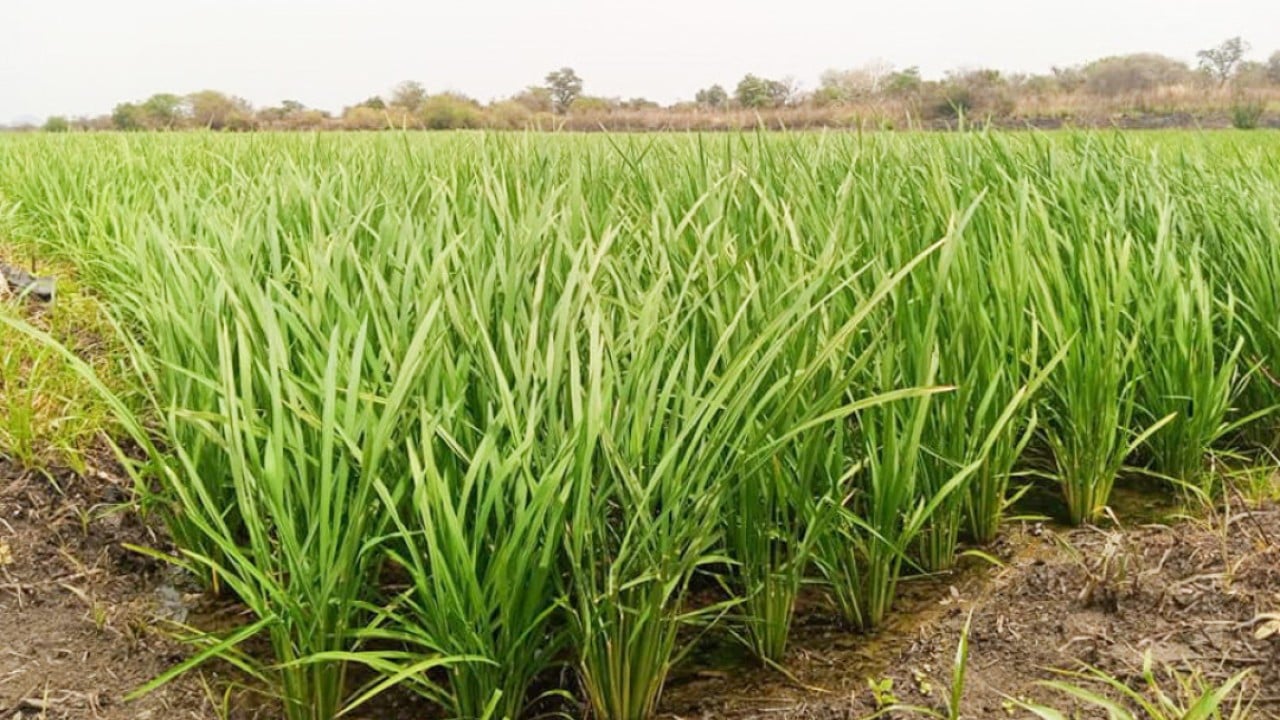
How China’s ‘magic’ rice seeds are transforming the fortunes of Nigerian farmers
Summarized and contextualized by DistantNews.
At a glance
News
Named sources
Context piece
- Chinese-supplied 'magic' rice seeds are transforming Nigerian farming.
- Farmer Ahmed Yusuf credits the R1 rice strain with tripling his yield and saving his business.
- This initiative is part of China's agricultural diplomacy aimed at mechanizing African farming and enhancing food security.
In Nigeria, just outside the capital Abuja, Chinese-supplied rice seeds are being hailed as "magic" by local farmers. Green Agriculture West Africa Limited (Gawal) is the company distributing these seeds, which are significantly boosting crop yields.
Ahmed Yusuf, a 42-year-old farmer, shared his experience, stating that the R1 rice strain from Gawal has revitalized his business. Before adopting the new variety, his yields averaged only 2 tonnes per hectare, pushing him to the brink of abandoning farming after over a decade of hard work. "Each year I was making losses, and I couldn’t meet the needs of my family, so I thought, ‘what was the point?’" he recalled.
Each year I was making losses, and I couldn’t meet the needs of my family, so I thought, ‘what was the point?’
With the new seeds, Yusuf has more than tripled his yield while maintaining the same level of effort, allowing him to continue farming. His success story is part of a larger, China-backed effort to modernize African subsistence agriculture into a highly productive, mechanized sector.
This agricultural initiative is framed as more than just a strategy for food security; it represents China's broader agricultural diplomacy. The program aims to transform farming practices across the continent, making them more efficient and productive through mechanization and advanced seed technology.
With this new variety I have been able to stay in business by increasing my yield more than threefold on basically the same effort.
DistantNews Editorial
Originally published by South China Morning Post. Summarized and contextualized by our editorial team with added local perspective. Read our editorial standards.
More Stories

From Our Blog

Countries Without a Free Press: What You Need to Know

What Press Freedom Means for the News You Read

What Gets Lost (and Found) When News Is Translated

The Critical Role of Diaspora Media in Global News

What Travellers Should Know About Countries with Restricted Press
