


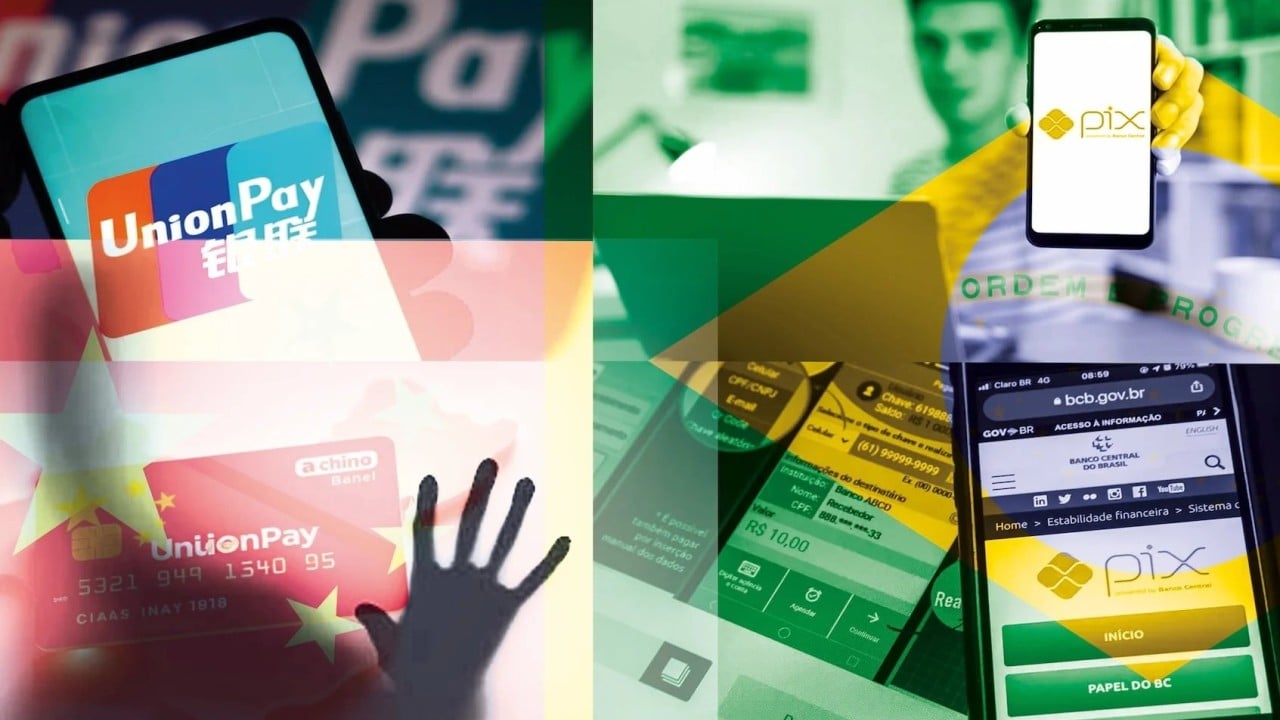
UnionPay to plug Chinese payment apps into Brazil’s Pix after US tariffs over the system
Summarized and contextualized by DistantNews.
At a glance
News
From a news agency
New plan
- China's UnionPay International will integrate Chinese payment apps with Brazil's Pix system, enabling Chinese tourists to make payments by scanning QR codes.
- This initiative aims to allow users of UnionPay and linked Chinese bank apps to pay merchants using their home accounts.
- The move comes as Brazil's Pix system faces scrutiny from Washington over alleged market tilting against American card companies.
China's UnionPay International is set to connect popular Chinese payment applications with Brazil's domestic payment system, Pix. This integration will allow Chinese tourists to make purchases by simply scanning a QR code, effectively enabling them to pay using their familiar Chinese payment apps and accounts.
Under an initial pilot program, users of the UnionPay app and other Chinese bank applications connected to UnionPay's platform will be able to scan a merchant's code and complete transactions directly from their home bank accounts. Chinese state media has indicated that this service is expected to expand later to include other digital wallets within UnionPay's extensive global network.
Pix, launched by the Central Bank of Brazil in November 2020, has rapidly become the primary method for Brazilians to transfer money. The system facilitates instant fund transfers between any two accounts, operating 24/7, and is free for individual users. It has achieved widespread adoption, reaching approximately 15 million merchants, from large department stores to small street vendors, significantly reducing the use of cash and checks.
The Central Bank of Brazil holds a dual role, regulating the country's payment industry while also operating the Pix system. This arrangement has drawn criticism from American card companies, who argue that it creates an uneven playing field and disadvantages their services in the Brazilian market. The integration of UnionPay into Pix occurs amidst this ongoing trade dispute.
DistantNews Editorial
Originally published by South China Morning Post. Summarized and contextualized by our editorial team with added local perspective. Read our editorial standards.
More Stories


From Our Blog

Countries Without a Free Press: What You Need to Know

What Press Freedom Means for the News You Read

What Gets Lost (and Found) When News Is Translated

The Critical Role of Diaspora Media in Global News

What Travellers Should Know About Countries with Restricted Press
