


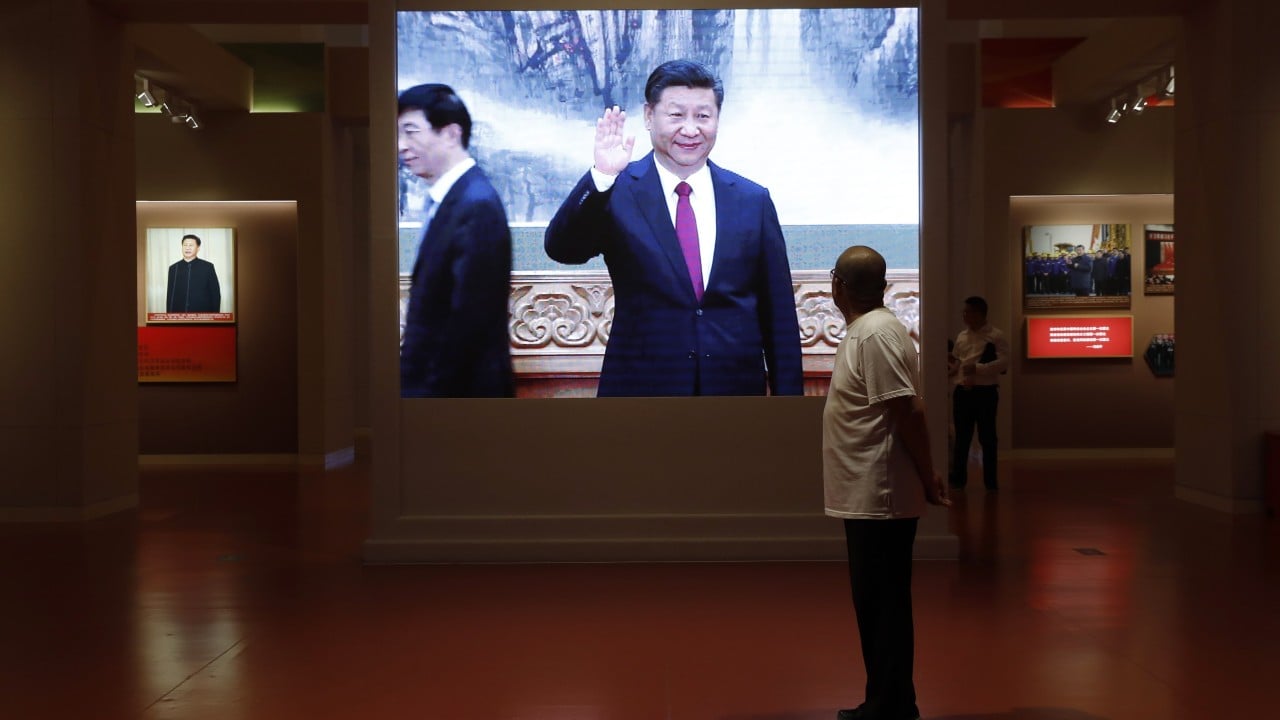
How China's New Left Reclaimed the Narrative on Deng Xiaoping's Reforms
Translated from English, summarized and contextualized by DistantNews.
At a glance
Analysis
Named sources
Context piece
- The article critiques Western assessments of Deng Xiaoping's reforms, particularly the idea that he solely found a path to make China rich and powerful.
- It challenges the notion that Deng needed lessons from Lenin on state discipline, arguing Mao Zedong already established a highly disciplined party.
- China's "New Left" is credited with recovering the narrative that Deng inherited much from Mao's era, which was essential for the success of "reform and opening-up."
Western interpretations of Deng Xiaoping's legacy often focus on his role in transforming China into a rich and powerful nation, citing scholars like Ezra Vogel. However, this article argues that such assessments overlook crucial historical context and are influenced by neoliberal narratives.
It was [Deng] who would finally realise the mission that others had tried for almost two centuries to achieve, of finding a path that would make China rich and powerful.
Scholars like Orville Schell and John Delury suggest Deng "fomented a new kind of frenzy – for making money," labeling his reforms "gaige kaifang," or 'reform and opening-up.' They characterize his approach as a "strange hybrid" combining Vladimir Lenin's model for a disciplined state with Milton Friedman's embrace of free-market economics.
Once in power, he did not hesitate to foment a new kind of frenzy – for making money. By the mid-1980s, he had named his counterrevolution gaige kaifang, ‘reform and opening-up’.
The author contends that the idea of Deng needing lessons from Lenin on state discipline is "absurd." Mao Zedong, the article posits, was a formidable party disciplinarian, drawing parallels to China's first emperor, Qin Shi Huang, and his Legalist school of thought. Deng, upon taking power after the elimination of the Gang of Four, inherited a party already characterized by high discipline.
Deng’s strange hybrid reform combined Vladimir Lenin’s recipe for a disciplined and well-organized state and Milton Friedman’s celebration of free market economics.
Furthermore, Deng also inherited significant economic and social structures from Mao's era. These inheritances, the article argues, were fundamental to the success of "gaige kaifang." This narrative, which the author claims Western neoliberals attempted to "bury," has been successfully recovered and promoted by China's "New Left," now described as the "middle-aged Left."
Mao Zedong was a great party disciplinarian in the mould of China’s first emperor Qin Shi Huang and his totalitarian school of Legalism. Mao and Deng hardly needed lessons from Lenin.
DistantNews Editorial
Originally published by South China Morning Post in English. Translated, summarized, and contextualized by our editorial team with added local perspective. Read our editorial standards.
More Stories

From Our Blog

Countries Without a Free Press: What You Need to Know

What Press Freedom Means for the News You Read

What Gets Lost (and Found) When News Is Translated

The Critical Role of Diaspora Media in Global News

What Travellers Should Know About Countries with Restricted Press
