


How Does an Electric Shock Happen? A Child's Science Question Explained
Translated from Finnish, summarized and contextualized by DistantNews.
At a glance
News
Sources not specified
Context piece
- A child's question explains how electric shocks occur, primarily due to static electricity from friction or faulty electrical equipment.
- Static electricity builds up through friction, like rubbing clothes or balloons on hair, causing a discharge felt as a shock.
- While minor shocks are common, dangerous ones can result from improper electrical work or faulty devices, highlighting the importance of electrical safety.
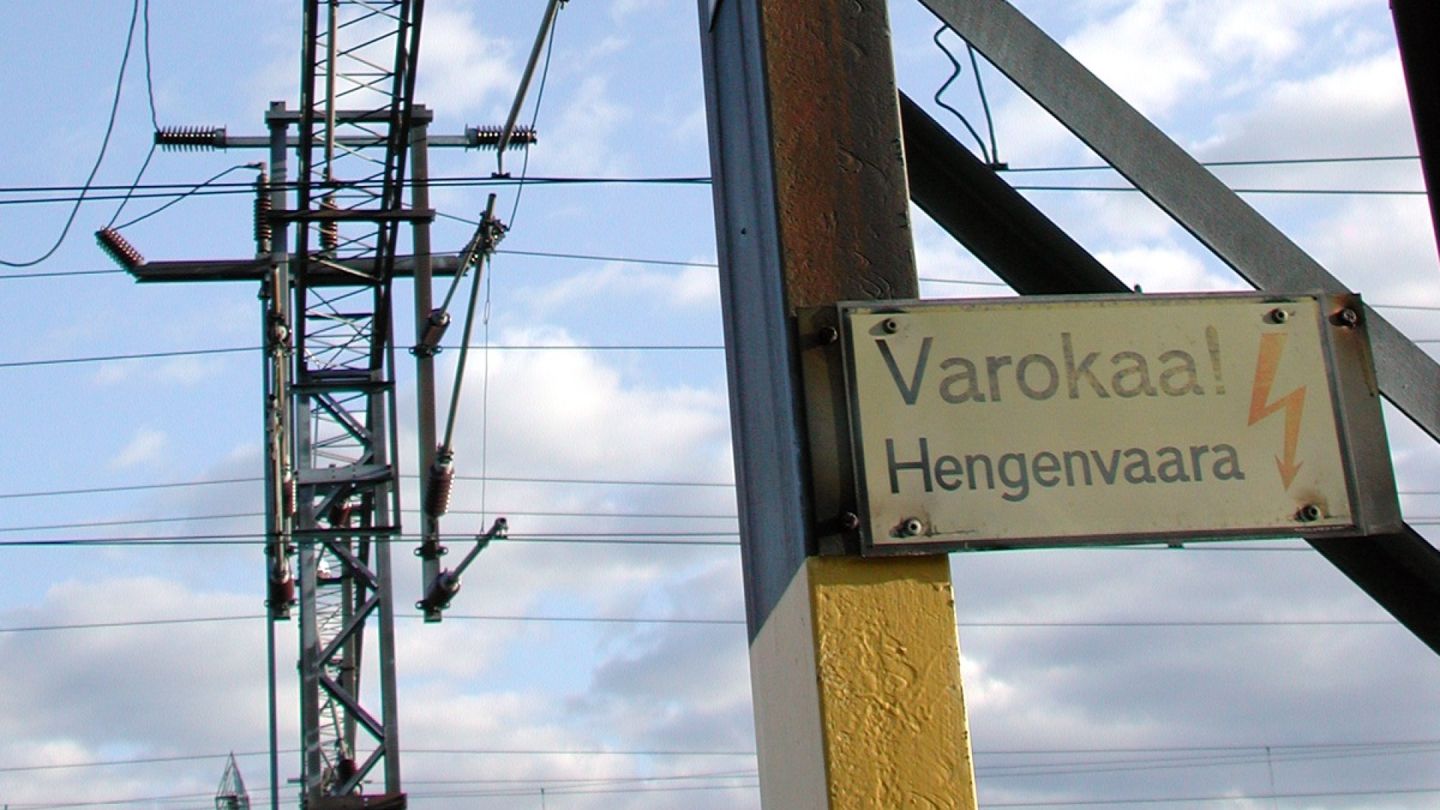
A child's simple question, 'How does an electric shock happen?', leads to an explanation of the phenomenon, often experienced as a jolt when touching metal objects like doorknobs.
An electric shock occurs when an electric current passes through the body. We feel it in our body as a jolt because when the current passes through the skin, our cells that transmit touch and pain sensations detect it.
This common occurrence is attributed to static electricity, a buildup of electrical charge caused by friction. Materials like synthetic clothing or plastic bags rubbed against hair can generate enough voltage to cause a noticeable shock. The intensity of the charge depends on the materials involved.
We often get a small electric shock when we touch a metal object like a doorknob or a railing. At that point, the electrical voltage between the person and the metal object, a kind of need for electricity to move from one place to another, discharges as an electric shock.
While everyday static shocks are usually harmless, the article warns of more dangerous situations. Improperly done electrical work or faulty appliances can allow current to flow through the body for extended periods, posing a significant risk. The explanation, drawing on insights from an Aalto University professor, emphasizes the difference between minor static discharges and potentially life-threatening electrical incidents.
If the voltage is high enough, the discharge can also occur through the air. It appears as a small blue spark.
DistantNews Editorial
Originally published by Helsingin Sanomat in Finnish. Translated, summarized, and contextualized by our editorial team with added local perspective. Read our editorial standards.
More Stories



From Our Blog

What Gets Lost (and Found) When News Is Translated

The Critical Role of Diaspora Media in Global News

What Travellers Should Know About Countries with Restricted Press

A Digital Nomad's Guide to Following Local News

How the Same Story Looks Different in Different Countries
