


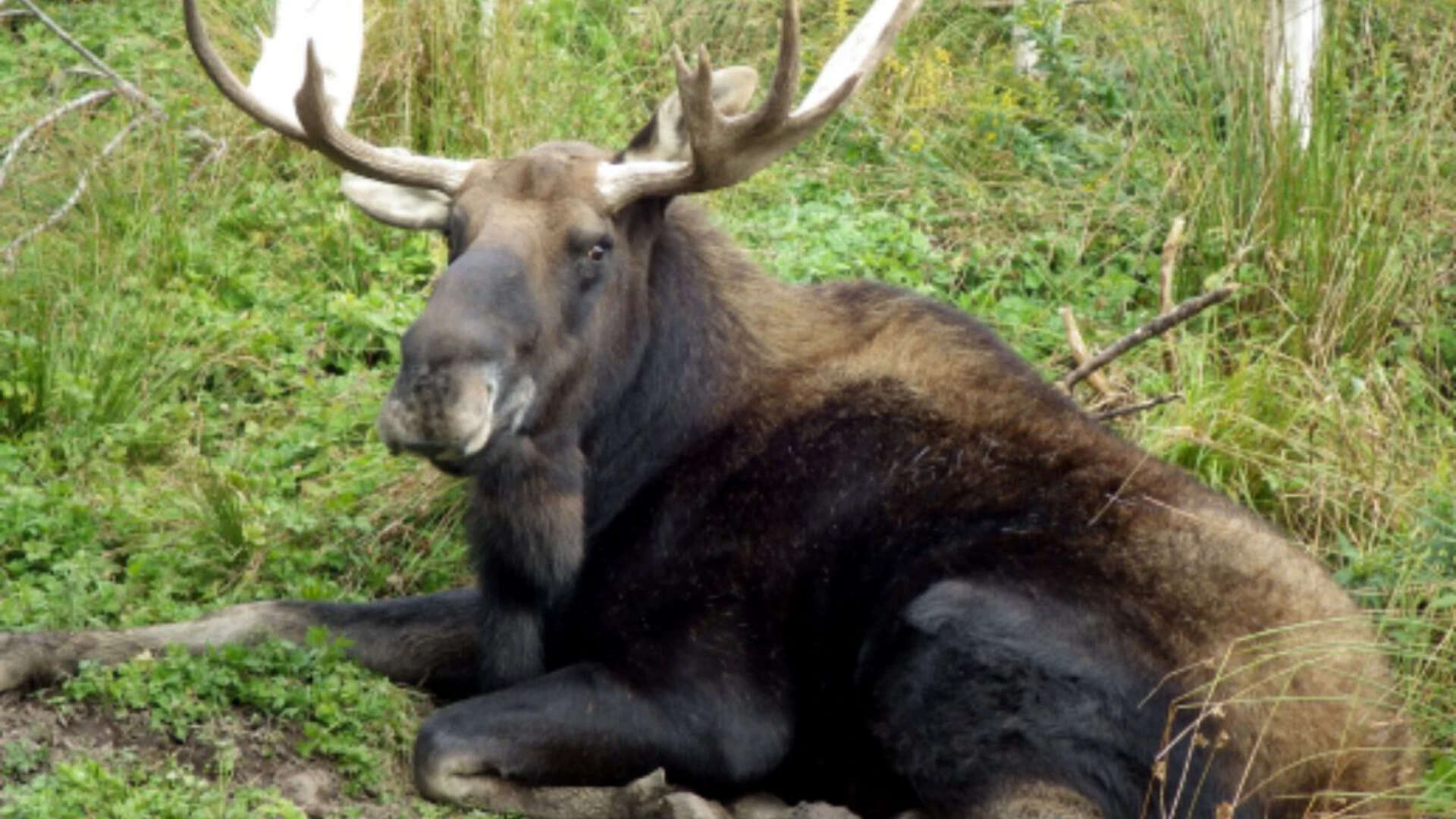
How four Moose released in 1904 ended up reshaping Newfoundland's forests forever
Summarized and contextualized by DistantNews.
At a glance
In-depth
Sources not specified
Context piece
- Four moose introduced to Newfoundland in 1904 dramatically reshaped the island's forests and wildlife.
- Their population surged to nearly 200,000, causing significant habitat damage that led to subsequent population declines.
- Current scientific management plans aim to balance moose populations with forest health, public safety, and ecosystem sustainability.
The introduction of just four moose to Newfoundland in 1904 has had a profound and lasting impact on the island's ecosystems, fundamentally reshaping its forests and wildlife. Initially intended to attract hunters, these animals experienced explosive population growth over the subsequent century.
This proliferation led to a staggering population estimated at nearly 200,000 moose. Such numbers exerted immense pressure on the island's vegetation, causing widespread habitat damage. The ecological consequences eventually triggered a natural decline in the moose population, highlighting the challenges of managing introduced species.
In response to these dynamics, a new scientific management plan is now in place. This strategy focuses on achieving a sustainable balance between the moose population, the health of the forests, public safety, and the long-term viability of the island's ecosystem. The effort represents a modern approach to wildlife management, informed by the historical consequences of the initial introduction.
DistantNews Editorial
Originally published by Times of India. Summarized and contextualized by our editorial team with added local perspective. Read our editorial standards.
More Stories

From Our Blog

What Press Freedom Means for the News You Read

What Gets Lost (and Found) When News Is Translated

The Critical Role of Diaspora Media in Global News

What Travellers Should Know About Countries with Restricted Press

A Digital Nomad's Guide to Following Local News
