


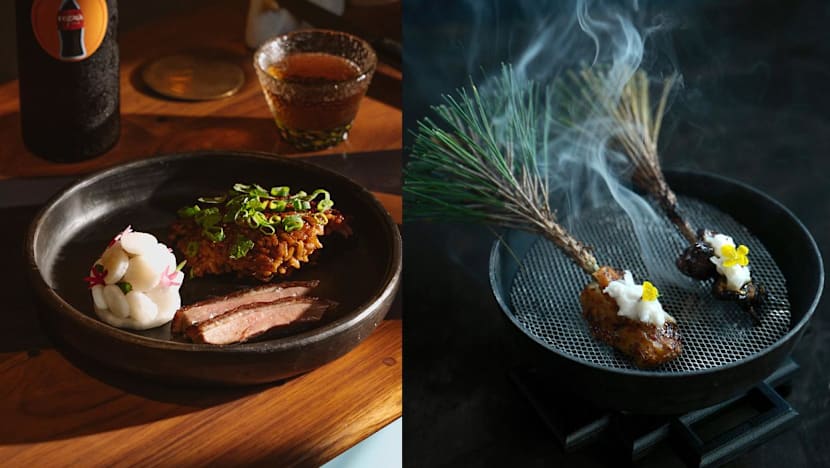
How India’s regional cuisines are reshaping fine dining
Summarized by DistantNews. Read the original for the full story.
At a glance
In-depth
Named sources
Context piece
- A new generation of Indian chefs is bringing regional ingredients, preservation methods and local culinary traditions into contemporary fine dining.
- Restaurants in Himachal Pradesh, Mumbai and Bengaluru illustrate different approaches to reinterpreting India’s diverse food heritage.
- Younger diners, shaped by travel, international media and diaspora connections, are helping drive demand for more layered expressions of Indian cuisine.
India’s fine-dining scene is moving beyond familiar national classics. Across the country, chefs are turning to the ingredients, techniques and traditions of specific regions to build a more distinctly Indian form of contemporary cuisine.
The movement draws on pride in hyper-regional food cultures, including overlooked communities, forgotten techniques and local terroir. Younger diners are helping fuel it, bringing tastes shaped by travel, international media and curiosity about the Indian diaspora. Together, those influences are creating demand for cuisine with more layered regional identities.
Three restaurants in Himachal Pradesh, Mumbai and Bengaluru show how varied the approach can be. At Naar, in a forested Himalayan settlement, the setting is part of the experience. The restaurant has only 16 seats and requires a bumpy three-hour drive from the town below. Kashmiri chef-owner Prateek Sadhu builds his cooking around the mountains he now calls home.
Naar’s menu changes every two months to reflect the Himalayas’ six seasons, and much of the food is cooked over wood or charcoal. The name means “fire” in Kashmiri, although Sadhu said it refers less to a cooking method than to the inner fire that drew him to Himalayan cuisine. His team gathers wild fruit, herbs and plants from nearby pine forests and riverbeds, while also working with local farmers and producers.
The cooking is rooted in preservation traditions developed through centuries of migration, trade and survival. Fermentation, smoking, drying and pickling helped Himalayan communities preserve food through harsh winters, and those methods remain central to Sadhu’s contemporary dishes. The article also visits Papa’s in Mumbai and a restaurant in Bengaluru, presenting them alongside Naar as part of an ambitious and increasingly individual Indian dining scene.
About this summary
Originally published by CNA. Summarized and contextualized automatically by DistantNews, with a note on how the source frames the story. Not individually reviewed before publishing. How this works.
More Stories



From Our Blog

What Gets Lost (and Found) When News Is Translated

The Critical Role of Diaspora Media in Global News

What Travellers Should Know About Countries with Restricted Press

A Digital Nomad's Guide to Following Local News

How the Same Story Looks Different in Different Countries
