

How is Mobility in the Controversial "Las Areneras" Sector? The Current State of Works on the 4G Pacífico 1 in Southwestern Antioquia
Translated from Spanish, summarized and contextualized by DistantNews.
At a glance
News
Named sources
Context piece
- Work on the "Las Areneras" section of the 4G Pacífico 1 highway project in Antioquia, Colombia, has reached 60% completion.
- The project involves stabilizing slopes and connecting a bridge, with ongoing work focused on the challenging "Talud 23" (Slope 23).
- Traffic is managed with a single-lane alternating system to allow construction to continue without completely isolating the region, with an estimated completion date in early 2027.
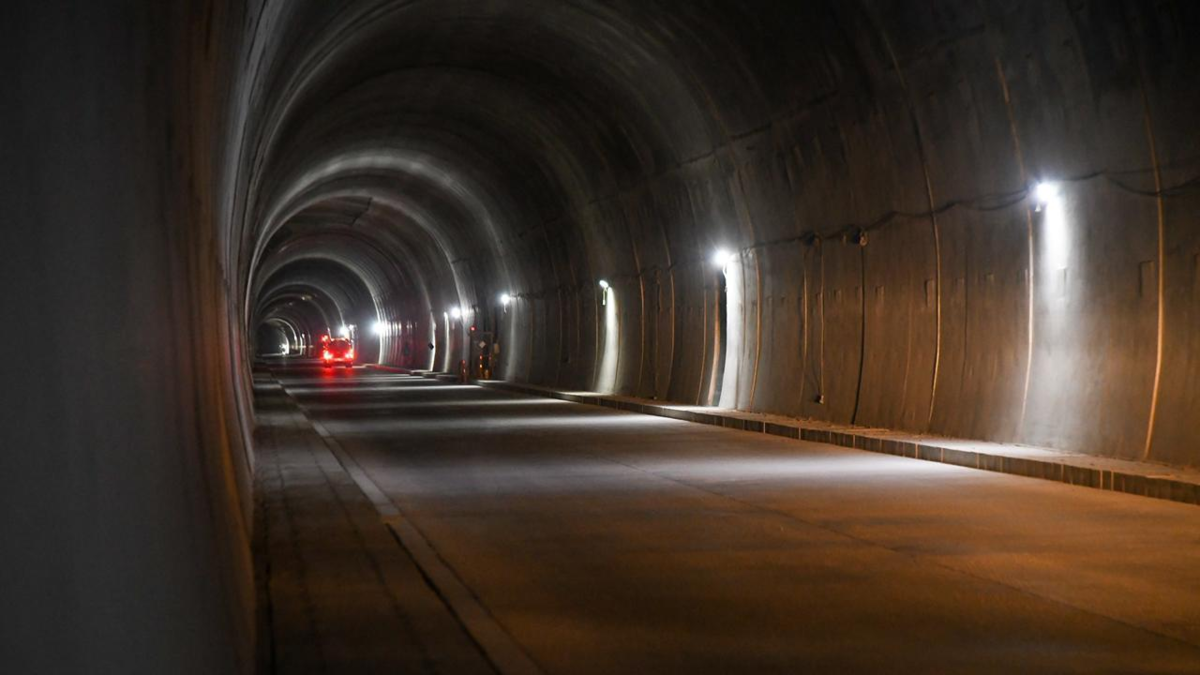
Progress continues on the critical 4G Pacífico 1 highway project in Colombia's Antioquia region, specifically in the challenging "Las Areneras" sector. After four months since the announcement that a full closure would be avoided, concessionaire Covipacífico reports significant advancements, with the Retorno 2 section now at 60% execution. This development is crucial for improving mobility towards the Southwest of Antioquia, a vital corridor for the region.
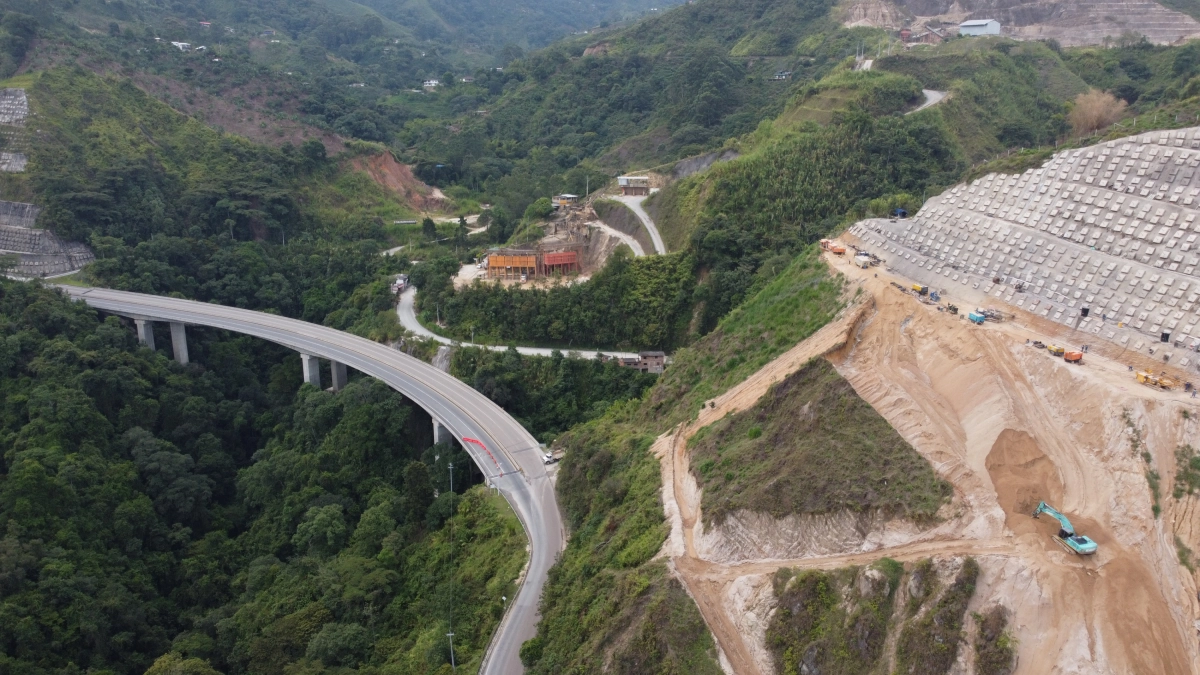
The current phase of work is focused on the stabilization of key slopes and the technical connection of the left carriageway to Bridge 23. While slopes 21 and 22 are already completed, the primary efforts are now concentrated on the imposing Talud 23, a 150-meter-high structure that currently stands at 30% completion. This phase involves the monumental task of removing over 315,000 cubic meters of sandy material and installing 1,926 deep anchors to ensure the mountain's stability and prevent future emergencies.
Basically, it remains a dual carriageway, which in this area already has the back part finished, the access to the at-grade crossing, up to bridge 23. It's two carriageways, one part already finished... and a part that is under execution, which is what we know as Talud 23.
Luis Hernando Ávila Lamar, technical manager for the Vial del Pacífico concession, highlighted the logistical complexity of the sector. "Basically, it remains a dual carriageway... one part already finished... and a part that is under execution, which is what we know as Talud 23," he explained. The need to execute this slope while maintaining traffic flow presents one of the most significant challenges of the current construction stage.
To manage this, Covipacífico employs a traffic control system that allows for alternating, single-lane passage. This intricate maneuver allows for necessary excavations and high-precision technical operations to proceed even with constant vehicle circulation below the slope. The commitment to maintaining regional connectivity while advancing such a complex engineering feat underscores the project's importance. The estimated completion for this section is set for early 2027, marking a significant milestone in the development of Antioquia's infrastructure.
To be able to execute this slope 23, it was necessary to implement traffic management due to the complexity of executing this slope with the carriageway.
DistantNews Editorial
Originally published by El Tiempo in Spanish. Translated, summarized, and contextualized by our editorial team with added local perspective. Read our editorial standards.
More Stories

From Our Blog

What Gets Lost (and Found) When News Is Translated

The Critical Role of Diaspora Media in Global News

What Travellers Should Know About Countries with Restricted Press

A Digital Nomad's Guide to Following Local News

How the Same Story Looks Different in Different Countries
