

Why Chinese foreign minister’s trip to South Korea ‘dealt a low blow’ to Seoul
Summarized and contextualized by DistantNews.
At a glance
News
Named sources
Context piece
- China's Foreign Minister Wang Yi visited South Korea, but declined to support Seoul's push for multiparty peace talks involving North Korea.
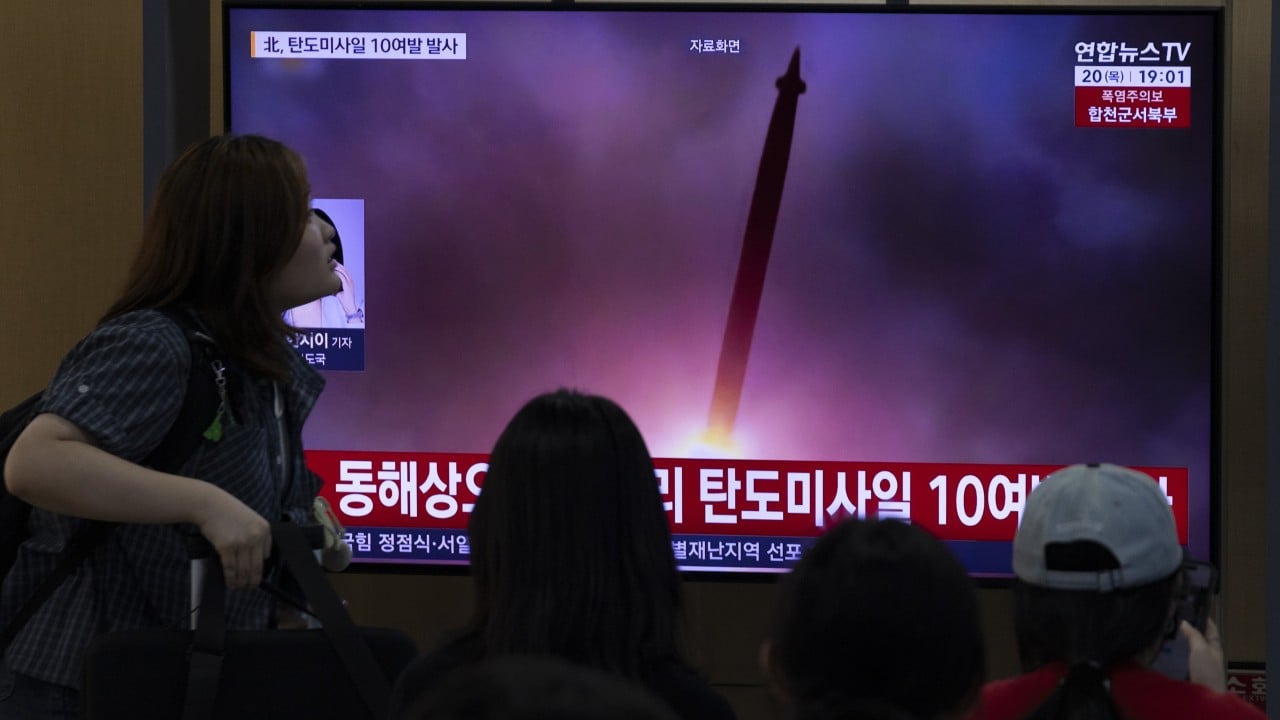
- North Korea launched multiple ballistic missiles the day before Wang's visit, prompting an emergency security meeting in Seoul.
- Despite both nations declaring bilateral ties had "fully recovered," Wang urged South Korea to maintain "genuine strategic autonomy" and avoid "bloc confrontation."
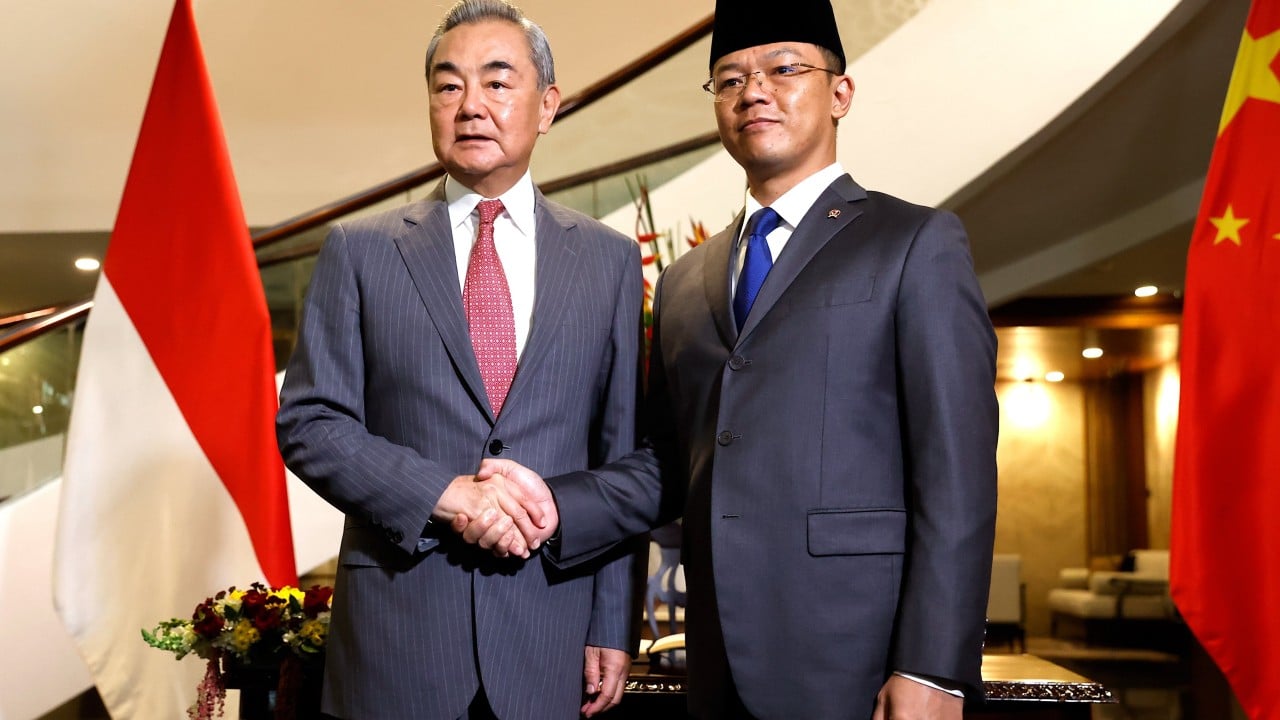
Chinese Foreign Minister Wang Yi concluded a visit to South Korea, a trip marked by a refusal to endorse Seoul's initiative for multiparty peace talks that would include North Korea. The timing of Wang's visit was particularly sensitive, as North Korea had launched over ten short-range ballistic missiles on the preceding Thursday. This provocative act led to an emergency security meeting convened by the South Korean presidential office.
genuine strategic autonomy
During the visit, both Chinese and South Korean officials stated that bilateral relations had "fully recovered" after a period of strain. They pointed to recent leadership exchanges and renewed cooperation in areas such as trade, technology, and people-to-people connections as evidence of this improvement. This was Wang's first solo trip to the country in five years, having visited the previous year with President Xi Jinping.
bloc confrontation or taking sides
However, Wang conveyed a pointed message to President Lee Jae Myung and other senior South Korean officials. According to China's foreign ministry, he urged Seoul to pursue "genuine strategic autonomy." He also advised against "bloc confrontation or taking sides" and encouraged the development of relations with both Beijing and Washington in a "mutually compatible manner."
in a mutually compatible manner
DistantNews Editorial
Originally published by South China Morning Post. Summarized and contextualized by our editorial team with added local perspective. Read our editorial standards.
More Stories

From Our Blog

Countries Without a Free Press: What You Need to Know

What Press Freedom Means for the News You Read

What Gets Lost (and Found) When News Is Translated

The Critical Role of Diaspora Media in Global News

What Travellers Should Know About Countries with Restricted Press
