


How Pueblo Viejo Mine Is Protecting the Dominican Republic’s Biodiversity
Translated from Spanish and summarized by DistantNews. Read the original for the full story.
At a glance
In-depth
Named sources
Context piece
- Barrick Pueblo Viejo’s biodiversity team surveys work areas before mining operations begin and relocates protected species when necessary.
- Animals may spend three to seven days in quarantine before moving to approved areas, including Aniana Vargas National Park.
- Barrick reports relocating 57,000 fauna specimens and 64,000 plants between 2019 and 2026, while also developing ecological corridors.
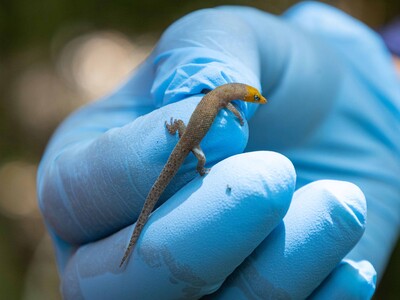
At one of the Dominican Republic’s largest mining operations, the gold and silver beneath the ground share space with native and endemic species. At Pueblo Viejo, in Sánchez Ramírez province, the presence of vulnerable wildlife and plants can temporarily alter the mine’s work plans.
In case we identify any of the protected species, our area must proceed to rescue and relocate it.
Before machinery enters an area, Barrick Pueblo Viejo’s biodiversity department surveys the site. Environmental specialist Yaritza Sosa said protected species must be rescued and relocated when workers identify them. The approach applies to animals and plants whose habitat could be disturbed by mining activity.
The process depends on the terrain and the species involved. In the mine’s karst areas, workers look for signs of hutias, including urine, droppings and the marks left when the rodents feed on plants. Captured animals are measured, weighed and identified. Some remain for three to seven days in a quarantine facility equipped with rocks, branches and other features intended to reproduce parts of their natural habitat.
There are many traces or factors that staff take into consideration, such as urine, feces or gnaw marks on the plants that hutias feed on.
The animals are then moved to authorized wild areas, including Aniana Vargas National Park. Barrick says it relocated 57,000 fauna specimens and 64,000 plants from 2019 through 2026. The company also promotes ecological corridors, advising work planners to leave routes that allow species to move between areas.
When areas request a specific polygon, we often advise them to leave certain corridors that allow species to migrate from one place to another.
About this summary
Originally published by Diario Libre in Spanish. Translated, summarized, and contextualized automatically by DistantNews, with a note on how the source frames the story. Not individually reviewed before publishing. How this works.
More Stories
From Our Blog

What Gets Lost (and Found) When News Is Translated

The Critical Role of Diaspora Media in Global News

What Travellers Should Know About Countries with Restricted Press

A Digital Nomad's Guide to Following Local News

How the Same Story Looks Different in Different Countries
