

How Romania Could Seek Emergency EU Support Amid Climate Alert
Translated from Romanian, summarized and contextualized by DistantNews.
At a glance
Analysis
Sources not specified
Context piece
- Romania is facing a critical situation due to extreme climate phenomena, leading to a "climate alert state."
- This alert state is a preventive mechanism, not a natural disaster declaration, aimed at enhancing logistical response to prevent crisis escalation.
- Romania may seek emergency support from the European Commission if a major climate catastrophe occurs, requiring an official request and utilizing mechanisms like the ERCC.
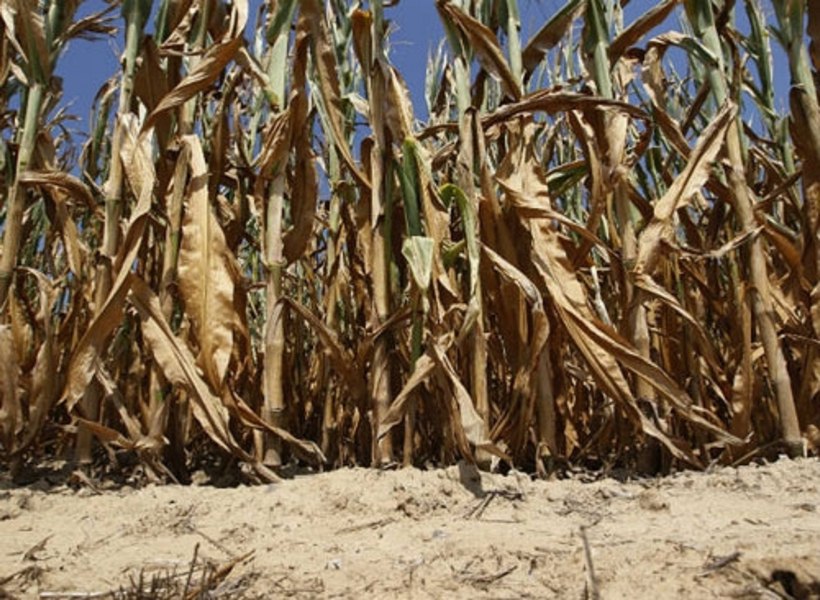
Romania is grappling with the consequences of extreme climate phenomena, prompting the declaration of a "climate alert state." This designation, while not a formal natural disaster declaration under European law, serves as a crucial institutional and preventive mechanism. It aims to bolster the logistical response to critical situations, preventing further escalation, particularly in the context of the current energy crisis exacerbated by persistent drought.
The climate alert state allows the Romanian state to adapt its structures, streamline procedures such as public procurement without competitive bidding, reorganize administrative activities, and implement exceptional cooperation measures among infrastructure operators, like those managing dams. The effectiveness of such decisive actions was observed in the past, involving interim leadership.
Should the Cernavodă nuclear reactor 2 be shut down, or if the drought severely impacts agricultural crops and livestock, Romania might consider declaring a state of emergency under Article 93 of the Constitution. Such a declaration would require a presidential decree, countersigned by the Prime Minister, and approved by Parliament. It is in such scenarios of major climate catastrophe that the European Commission becomes involved.
The European Commission coordinates operational and financial solidarity obligations through its mechanisms, provided an official request is made by the affected Member State. The primary mechanism is the Emergency Response Coordination Centre (ERCC), which centralizes the immediate dispatch of specific equipment offered by other member states. If a large-scale civil disaster exceeds national capacities and voluntary aid from other nations, the Commission can directly mobilize resources from the European crisis response reserve. The EU can also cover up to 75% of the transport and deployment costs for aid, based on the dossier presented by the member state.
DistantNews Editorial
Originally published by Adevărul in Romanian. Translated, summarized, and contextualized by our editorial team with added local perspective. Read our editorial standards.
More Stories



From Our Blog

What Gets Lost (and Found) When News Is Translated

The Critical Role of Diaspora Media in Global News

What Travellers Should Know About Countries with Restricted Press

A Digital Nomad's Guide to Following Local News

How the Same Story Looks Different in Different Countries
