


How the Iran War is hitting poorer countries
Translated from German, summarized and contextualized by DistantNews.
TLDR
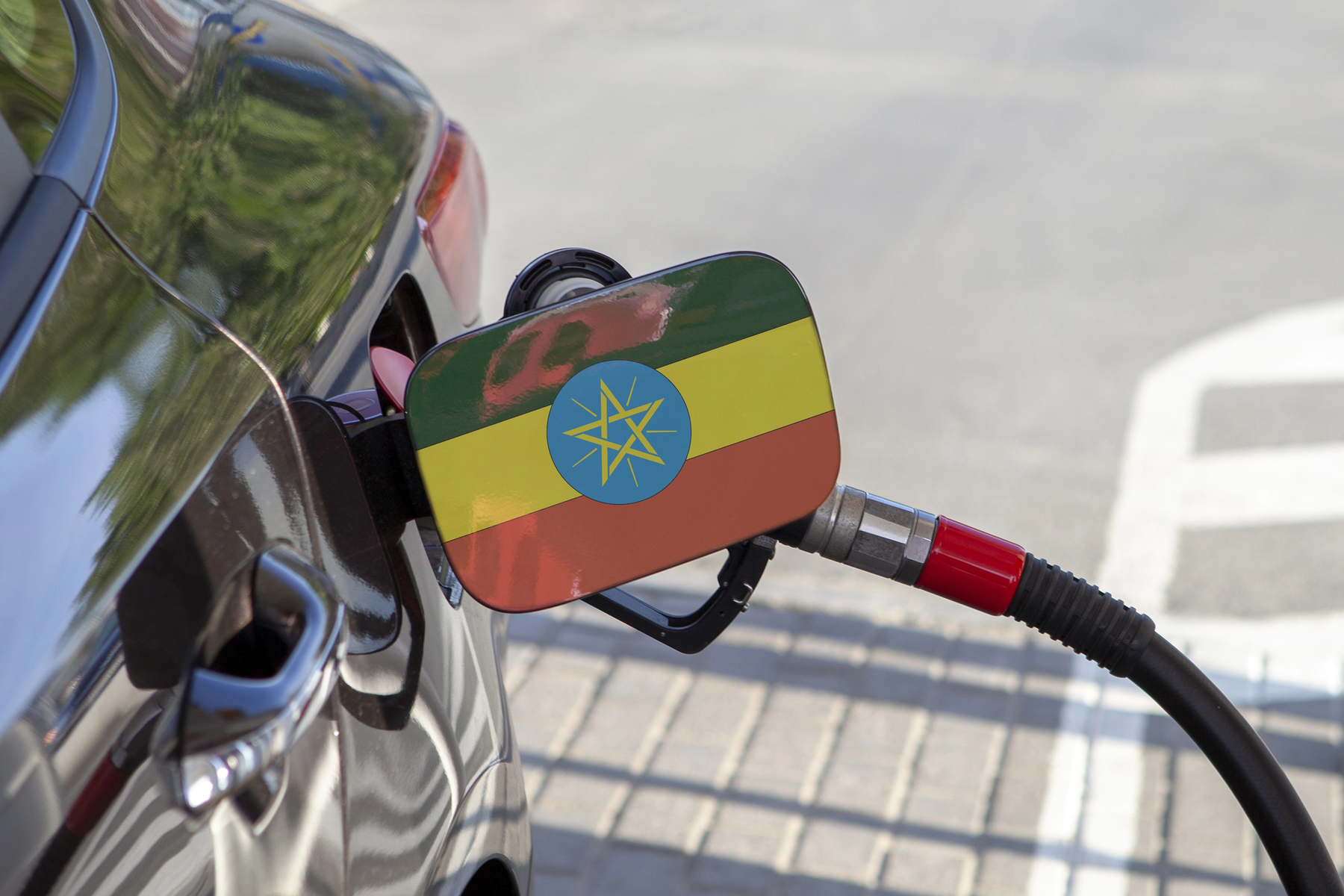
- Ethiopia is experiencing severe fuel shortages and price hikes, with long queues forming at gas stations across Addis Ababa.
- The crisis is attributed to the Iran conflict and the blockade of the Strait of Hormuz, disrupting fuel imports from the Gulf region, which Ethiopia relies on entirely.
- The government has implemented strict rationing, prioritizing military and essential services, while fuel prices have significantly increased, impacting daily life and the economy.
The escalating tensions in the Persian Gulf, particularly the conflict in Iran and the blockade of the Strait of Hormuz, are sending shockwaves far beyond the region, hitting developing nations like Ethiopia with brutal force. In Addis Ababa, the capital, scenes of desperation are unfolding daily as citizens face crippling fuel shortages. Cars snake for blocks around the few functioning gas stations, a stark visual representation of the economic hardship gripping the nation.
Ethiopia, a landlocked country, is entirely dependent on imported fuel, with the Gulf region serving as its primary supplier. Fuel constitutes a significant portion of the country's import expenses, accounting for roughly a quarter of its total annual spending. The disruption to these vital supply lines, coupled with soaring prices, has created a perfect storm. The government's attempts to manage the crisis through rationing, prioritizing military and essential services, only highlight the severity of the situation, leaving ordinary citizens to bear the brunt of the scarcity.
While fuel scarcity has been a recurring issue in Ethiopia, the current situation has reached unprecedented levels. The price per liter has surged dramatically, making it increasingly unaffordable for many. This economic strain is particularly acute in Addis Ababa, where transportation and commerce are heavily reliant on fuel. The government's centralized control over fuel imports and distribution, while intended to manage the crisis, also allows for political considerations to influence supply, potentially exacerbating disparities between regions.
Despite the immense challenges, the resilience of the Ethiopian people shines through. While urban life in Addis Ababa is significantly impacted, life in rural areas often follows a simpler, less fuel-dependent rhythm. However, the ripple effects of this crisis are undeniable, impacting everything from transportation costs to the availability of goods. This situation underscores the vulnerability of import-dependent economies to geopolitical instability, a reality often overlooked in Western media's focus on the immediate conflict zones.
DistantNews Editorial
Originally published by Die Presse in German. Translated, summarized, and contextualized by our editorial team with added local perspective. Read our editorial standards.
More Stories



From Our Blog

What Gets Lost (and Found) When News Is Translated

The Critical Role of Diaspora Media in Global News

What Travellers Should Know About Countries with Restricted Press

A Digital Nomad's Guide to Following Local News

How the Same Story Looks Different in Different Countries
