


How to eat healthy during the summer
Translated from Spanish, summarized and contextualized by DistantNews.
At a glance
News
Official statement
Context piece
- Summer's social activities can increase consumption of high-calorie foods and drinks, with many eating out more frequently.
- A registered dietitian offers eight recommendations for maintaining healthy habits, focusing on portion control and balanced meals.
- Key advice includes prioritizing fruits and vegetables, choosing lean proteins, moderating salt and fat, and staying hydrated.
Summer routines often shift, leading to changes in eating habits as restaurant outings, family gatherings, and barbecues become more common. This can translate into increased consumption of calorie-dense foods and beverages. Reports suggest nearly half of consumers eat out more often during the summer, sometimes at least once a week.
However, enjoying summer activities doesn't have to mean sacrificing a healthy diet. Registered dietitian Anne Harguth shares eight recommendations for maintaining healthy habits, whether dining out or preparing meals at home. These suggestions emphasize portion control, incorporating fruits and vegetables, selecting lean proteins, moderating salt and fat intake, paying attention to beverage choices, and ensuring adequate hydration.
Controlling portions is key; healthy eating doesn't require complete elimination of favorite foods but rather moderate consumption. Harguth advises limiting less healthy but hard-to-avoid items, reserving them for occasional treats in small portions. The goal is to prevent occasional indulgences from becoming daily habits.
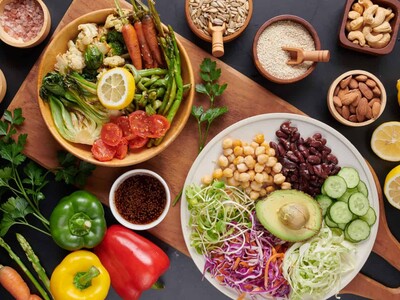
A balanced plate strategy is recommended for parties, barbecues, or meals away from home. Following the U.S. Department of Agriculture's model, approximately half the plate should consist of fruits and vegetables, with the remaining half divided between grains, proteins, and dairy. This approach allows for incorporating various food groups while still enjoying seasonal meals. A healthy adult meal typically ranges between 500 and 700 calories, though individual needs vary.
Making informed choices also extends to grocery shopping. Prioritizing fruits, vegetables, and other fresh foods can facilitate a balanced diet throughout the summer months. Reading food labels and nutritional information at restaurants can also aid in making conscious decisions. Paying attention to calories per serving is important, as the indicated serving size on a package may not reflect actual consumption.
DistantNews Editorial
Originally published by Diario Libre in Spanish. Translated, summarized, and contextualized by our editorial team with added local perspective. Read our editorial standards.
More Stories



From Our Blog

What Gets Lost (and Found) When News Is Translated

The Critical Role of Diaspora Media in Global News

What Travellers Should Know About Countries with Restricted Press

A Digital Nomad's Guide to Following Local News

How the Same Story Looks Different in Different Countries
