


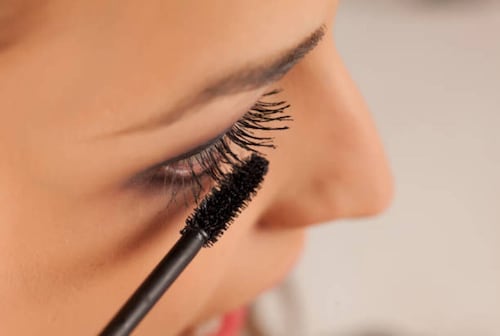
How to remove waterproof mascara without damaging your lashes
Translated from Spanish, summarized and contextualized by DistantNews.
At a glance
In-depth
Sources not specified
Context piece
- Waterproof mascara is effective but difficult to remove without damaging lashes.
- Using a bi-phase makeup remover is recommended for dissolving stubborn mascara.
- Gentle techniques, like soaking with a cotton pad, prevent lash damage and eye irritation.
Waterproof mascara offers long-lasting wear, ensuring makeup stays intact through sweat, tears, and humidity. However, its removal presents a challenge, as improper techniques can weaken lashes and irritate the delicate eye area. To avoid damaging your lashes, it's crucial to adopt a gentler approach than simply rubbing your eyes.
The key to effectively removing waterproof mascara lies in using the right products and techniques. Bi-phase makeup removers, which combine water and oil components, are particularly effective at dissolving water-resistant pigments. Before use, shake the bottle well to mix the layers. Avoid harsh scrubbing or repeated rubbing, as this can lead to lash loss and skin irritation.
A recommended method involves moistening a cotton pad with the bi-phase remover and placing it over a closed eye for a few seconds. This allows the product to break down the mascara without friction. After the soaking period, gently swipe the cotton pad from the root to the tip of the lashes to remove the dissolved product. Repeat if necessary until all residue is gone. Following makeup removal, proceed with your regular skincare routine, including cleansing and moisturizing your face and eye contour.
To further protect your lashes and eyes, avoid pulling off mascara residue with your fingers, rubbing your eyes vigorously, using dry cotton pads, sleeping with mascara on, or applying excessive pressure to your lashes. It's also advisable not to share eye makeup to prevent infections and consider using a lash serum to strengthen lashes when needed.
DistantNews Editorial
Originally published by El Universal in Spanish. Translated, summarized, and contextualized by our editorial team with added local perspective. Read our editorial standards.
More Stories



From Our Blog

What Press Freedom Means for the News You Read

What Gets Lost (and Found) When News Is Translated

The Critical Role of Diaspora Media in Global News

What Travellers Should Know About Countries with Restricted Press

A Digital Nomad's Guide to Following Local News
