



How Utilitarianism explains Nepal’s political shift
Summarized by DistantNews. Read the original for the full story.
At a glance
News
Named sources
Context piece
- Nepal's electorate is shifting from ideological devotion to a pragmatic demand for tangible improvements in quality of life, applying the 'Utility Principle' to politics.
- Decades of factionalism and corruption prioritized party elite interests over public good, leading to a system where 'the joy of parties outweighs public suffering'.
- Citizens now view political governance as a daily calculation of costs, with 'time costs' from bureaucratic inefficiencies significantly hindering national recovery efforts.
The political landscape in Kathmandu has undeniably shifted, and The Kathmandu Post observes this transformation through the lens of a populace increasingly applying the 'Utility Principle' to their civic engagement. For too long, Nepal has been mired in a cycle of hollow ideological promises, where party loyalty was extracted at the expense of genuine progress. The electorate, particularly the new generation, is now performing a different kind of political math.
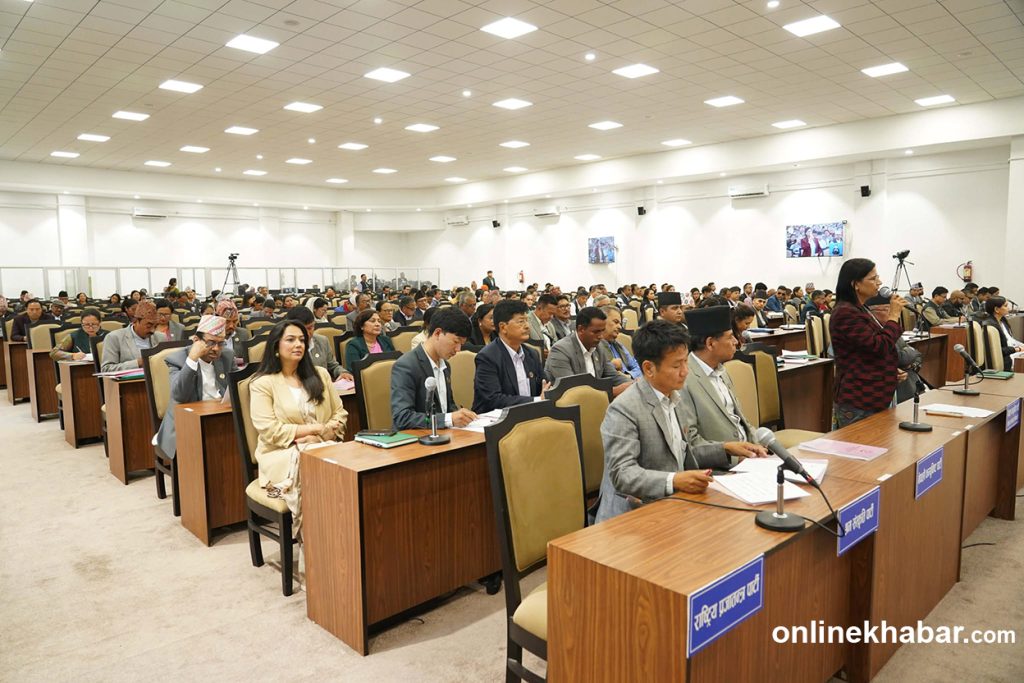
They meet in secret. We don’t know about budgeting, and it’s not transparent.
This shift signifies a move away from blind ideological devotion towards a pragmatic demand for a quantifiable return on their participation. They seek not abstract political theories, but concrete improvements in their quality of life. This is a direct challenge to the old guard's system, which, as research has shown, prioritized internal power struggles and the 'utility of the party elite' over the public interest. The stark reality of local governance, where transparency and accountability are lacking, has compelled citizens to become rational agents rather than passive consumers of propaganda.
This single sentence carries the dark reality of so-called trusted authorities and the crisis of local governance, which has compelled today's citizens to think more critically and stand for themselves as a collective rational agent rather than emotional consumers of political propaganda.
What makes this shift particularly compelling from our perspective at The Kathmandu Post is its grassroots nature. It's not merely a top-down political maneuver but a collective awakening. The 'time costs' associated with chronic queues and bureaucratic delays are not abstract statistics; they represent lost workdays, diminished efficiency, and a direct reduction in happiness for ordinary Nepalis. This pragmatic, cost-benefit analysis of governance is a uniquely local response to decades of systemic failure, a response that Western media might overlook in favor of broader geopolitical narratives. It underscores a fundamental desire for a government that demonstrably serves its people, maximizing 'the greatest good for the greatest number' in tangible, everyday ways.
Today, the discussion on political governance is no longer an abstract debate; it is a daily calculation of cost and inconvenience.
About this summary
Originally published by Kathmandu Post. Summarized and contextualized automatically by DistantNews, with a note on how the source frames the story. Not individually reviewed before publishing. How this works.
More Stories

From Our Blog

News in Translation: What Gets Lost, and How We Keep the Framing

Diaspora Media: How Communities Abroad Follow Home

Traveling Where the Press Is Not Free: How to Read the News There

The Digital Nomad's Guide to Local News

The Same Story, Different Countries: How Coverage Changes at the Border
