

Two-year cooling-off period proposed for constitutional body officials
Summarized by DistantNews. Read the original for the full story.
At a glance
News
Official statement
Ongoing story
- CPN-UML lawmaker Yashoda Kumari Baral proposed a two-year cooling-off period in an amendment to Nepal’s bill on constitutional officials’ pay and benefits.
- The restriction would cover private, nongovernmental and commercial organisations with a direct interest in the official’s former constitutional body.
- The wider bill seeks to prevent retired officials from receiving overlapping benefits from the state and currently has nine amendment proposals.
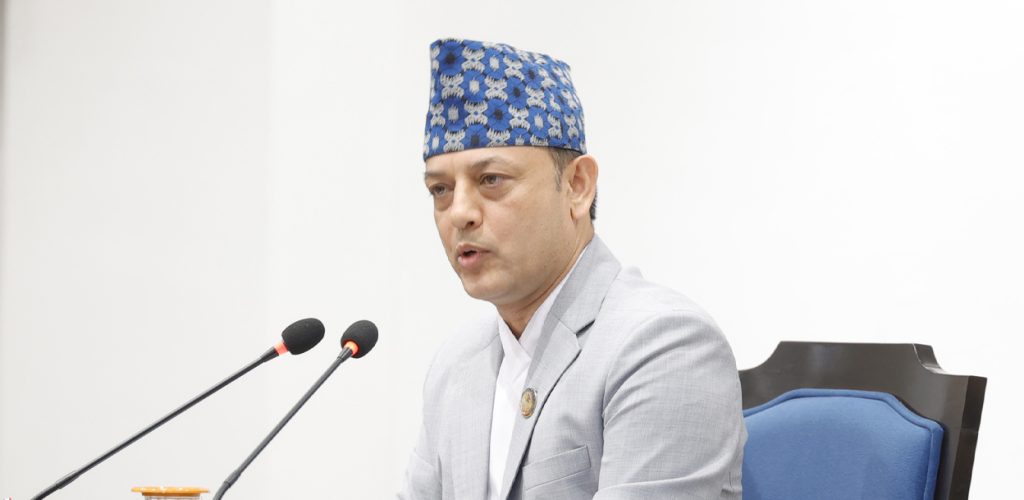
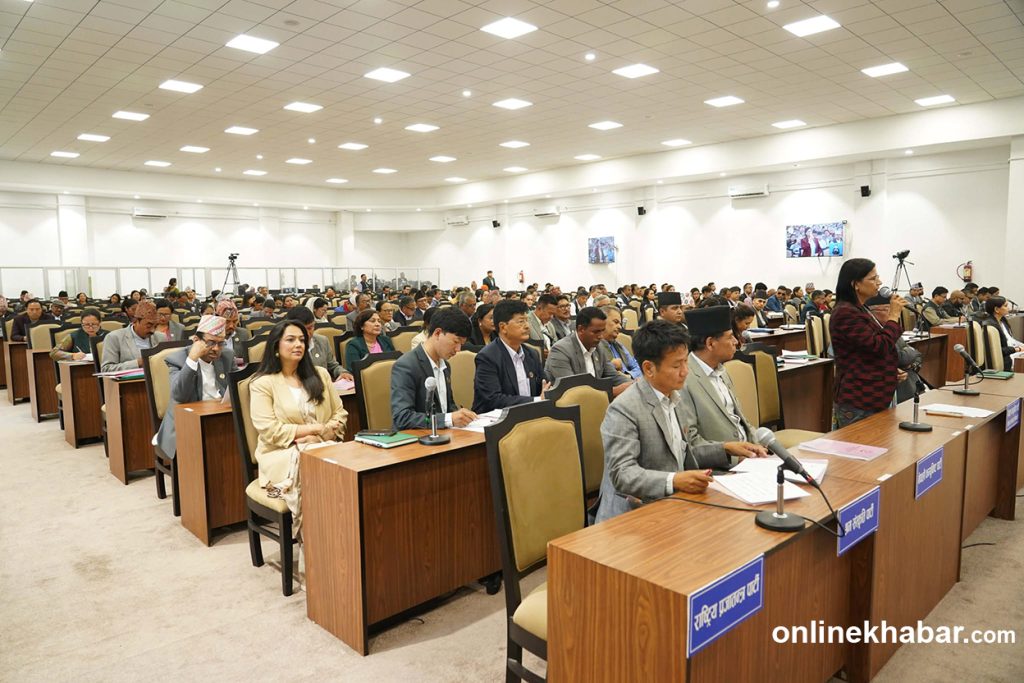
A proposed amendment in Nepal would prevent officials of constitutional bodies from moving directly into related private, nongovernmental or commercial organisations for two years after leaving office.
CPN-UML lawmaker Yashoda Kumari Baral submitted the proposal as an amendment to the Bill on Remuneration, Conditions of Service and Facilities of Officials of Constitutional Bodies (First Amendment), 2026. The restriction would apply from the date an official retires or is removed from office, and would cover any role at an organisation with a direct interest in the same constitutional body.
The proposal would add a new subsection to Section 18 of the existing law, which governs pension and gratuity provisions. A cooling-off period limits the appointments or roles a person may take after leaving public office.
The bill was registered in the House of Representatives by Prime Minister Balen Shah on July 30. One stated aim is to prevent retired civil servants appointed to constitutional bodies from receiving both their retirement pension and benefits linked to their constitutional position.
The government argues that officials holding high public office should demonstrate strong ethical and moral conduct. The bill says that public confidence can weaken when an official appears to receive double benefits, and argues that someone drawing salary, allowances and other facilities from the state treasury should not also receive overlapping state support.
If an official is seen receiving double benefits, it ultimately weakens public faith, trust and confidence in the institution associated with that person.
About this summary
Originally published by OnlineKhabar English. Summarized and contextualized automatically by DistantNews, with a note on how the source frames the story. Not individually reviewed before publishing. How this works.
More Stories


From Our Blog

What Gets Lost (and Found) When News Is Translated

The Critical Role of Diaspora Media in Global News

What Travellers Should Know About Countries with Restricted Press

A Digital Nomad's Guide to Following Local News

How the Same Story Looks Different in Different Countries
