


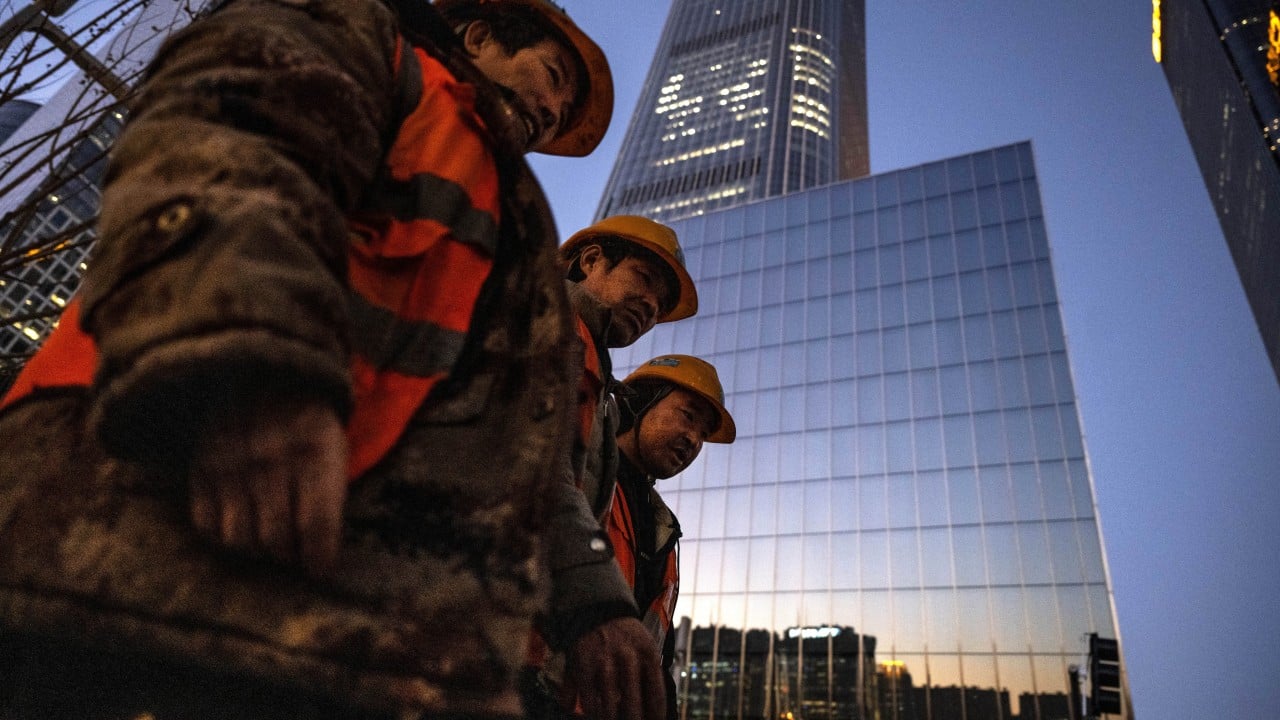
Hukou system hurdles: Beijing resident's son faces long commute for education
Translated from English, summarized and contextualized by DistantNews.
At a glance
News
Sources not specified
Context piece
- A 12-year-old boy must travel 120km for school due to his family's inability to obtain a Beijing hukou, or household registration.
- The hukou system, in place for nearly 70 years, ties residents to their birthplace and restricts access to public services like education and healthcare.
- Despite living and working in Beijing for over 20 years, the boy's parents, originally from northeastern China, cannot secure local hukou, forcing their son to take college entrance exams in his registered province.
Wang Ming's 12-year-old son faces a daunting commute to school, traveling 120 kilometers from their Beijing home. The reason: his parents, despite living and working in the capital for over two decades, have been unable to obtain the crucial household registration document known as hukou.
The hukou system, a cornerstone of China's social management for nearly 70 years, dictates where citizens are officially registered. This registration is intrinsically linked to access to essential public services, including education and healthcare. For most individuals, their hukou remains tied to their birthplace, and changing it requires meeting a stringent set of criteria, often proving a significant barrier for migrants.
Wang's situation is far from unique, affecting hundreds of thousands living and working in Beijing without the necessary registration. While his son was permitted to attend elementary and middle school in the capital, the educational system's rigidities mean he must now take his college entrance examinations in Liaoning province, his family's place of origin. This highlights the persistent challenges faced by internal migrants navigating China's deeply entrenched residency and service allocation system.
DistantNews Editorial
Originally published by South China Morning Post in English. Translated, summarized, and contextualized by our editorial team with added local perspective. Read our editorial standards.
More Stories
From Our Blog

Countries Without a Free Press: What You Need to Know

What Press Freedom Means for the News You Read

What Gets Lost (and Found) When News Is Translated

The Critical Role of Diaspora Media in Global News

What Travellers Should Know About Countries with Restricted Press
