


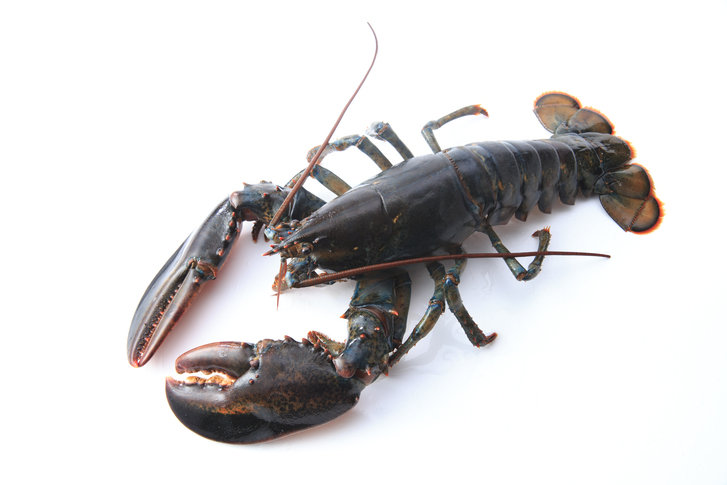
Human Painkillers Reduce Lobster Pain, Adding Evidence to Crustacean Suffering
Translated from Korean, summarized and contextualized by DistantNews.
TLDR
- A study found that common human painkillers reduced pain responses in Norway lobsters.
- Researchers administered aspirin and lidocaine to lobsters before applying electric shocks, observing a significant decrease in avoidance behaviors.
- The findings suggest that crustaceans experience pain similarly to vertebrates, supporting calls for improved animal welfare in their treatment and slaughter.
In a groundbreaking study that could reshape our understanding of animal welfare, scientists have discovered that common human painkillers can alleviate pain in crustaceans. Researchers at the University of Gothenburg in Sweden administered aspirin and lidocaine to Norway lobsters, observing a notable reduction in their pain-related responses when subjected to electric shocks. This finding provides further evidence that creatures like lobsters and crabs experience pain, a realization that has already prompted several countries, including Norway, New Zealand, Austria, Switzerland, and the UK, to ban the practice of boiling them alive. The study, published in Scientific Reports, highlights the need for greater empathy and improved handling practices for these marine animals, suggesting that stunning them with electric shocks before cooking may be a more humane alternative.
The fact that human painkillers also work on Norway lobsters shows how similarly we function.
DistantNews Editorial
Originally published by Dong-A Ilbo in Korean. Translated, summarized, and contextualized by our editorial team with added local perspective. Read our editorial standards.
More Stories


From Our Blog

What Gets Lost (and Found) When News Is Translated

The Critical Role of Diaspora Media in Global News

What Travellers Should Know About Countries with Restricted Press

A Digital Nomad's Guide to Following Local News

How the Same Story Looks Different in Different Countries
